

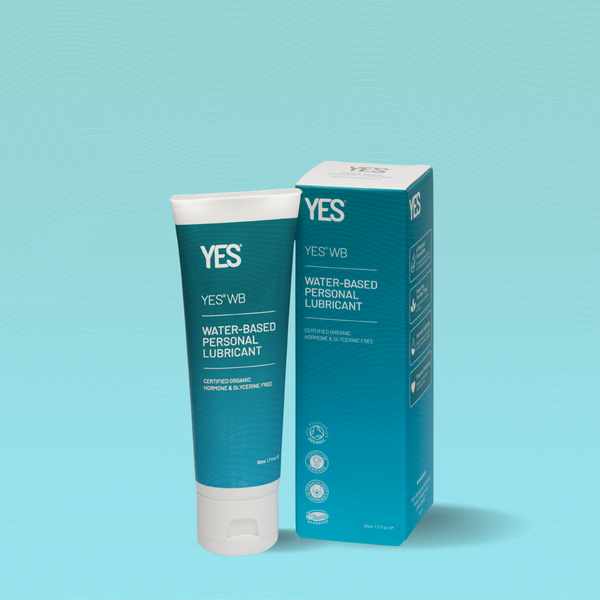

WB Water-Based Lubricant Tube

Select Tube Size:
FREE UK Shipping on orders over £40

Have a discount code? Add it in the next step.
4.8/5 based on 1,630 reviews
Female masturbation is a topic historically shrouded in taboo, though slowly but surely the curtain is lifting, as women feel freer to discuss pleasure and how they find it. This is highlighted by the advent and popularity of podcasts such as The Hot Bed Collective and Laid Bare that offer advice on which toys to choose and how to improve your precious ‘me time’. Forget diamonds, vibrators, (arguably the real ‘girl’s best friend’), amongst other types of sex toy, have become a welcome addition to many women’s sex lives.

From 17th century into the early 20th century, a frequent diagnosis for women experiencing emotional outbursts, ‘extreme’ sexual desire, or generally a ‘tendency to cause trouble’ was hysteria. The cure to regain their sanity? Orgasms… every cloud and all that! Now this might sound like a preferable alternative to medicine or surgery, but the women of the time weren’t encouraged to masturbate by themselves to relieve the situation. Achieving an orgasm became a medical treatment carried out on patients by their doctors!
Fortunately, the introduction of early vibrators in the 1700s meant that doctors no longer needed to bring patients to climax manually – a welcome relief to the burden of such treatments! This then resulted in a plethora of different electrical vibrator designs becoming progressively more effective and efficiently designed right up to the present day. Luckily female hysteria has been long ruled out as a disorder and the orgasm is no longer considered a medical treatment but more of a female right.

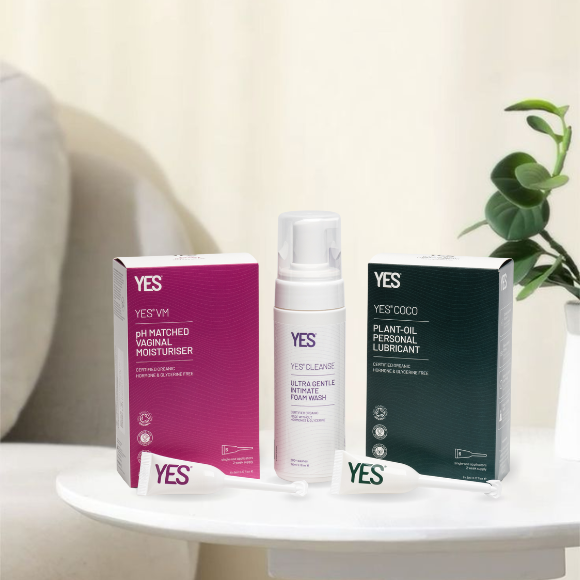
You can read the full article, ‘A History of the Vibrator’ here. It might interest you to know that YES® certified organic lubricants are the 21st century vibrator’s best friend! They’re compatible with all mainstream toy materials so why not check out our guidelines on the best lubes for sex toys in our post ‘Which lubricant should I use?’
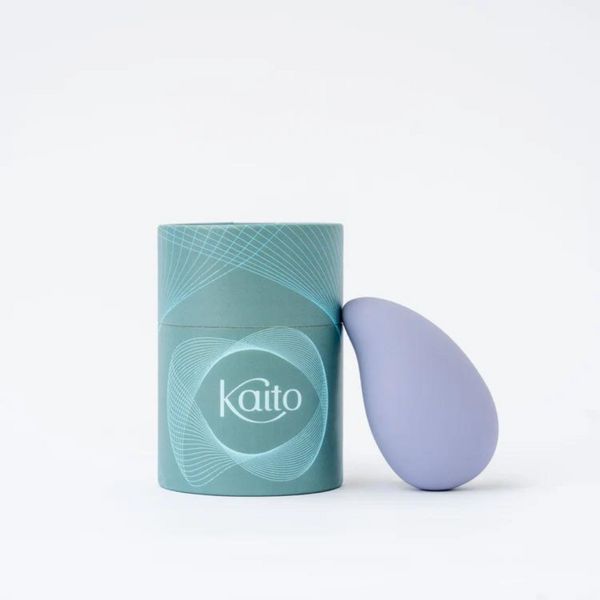
We're excited to Introduce Kaito Sky, the first vulval and clitoral vibrator recommended and sold by us!

The smooth, flat surface of Kaito Sky had been made with external and vulval massage in mind. Kaito Sky has a soft textured finish and teardrop-shaped tip, ideal for stimulating the clitoris and massaging the vaginal entrance or perineal area.
Read more about the changes your body goes through during peri menopause and post menopause.


