
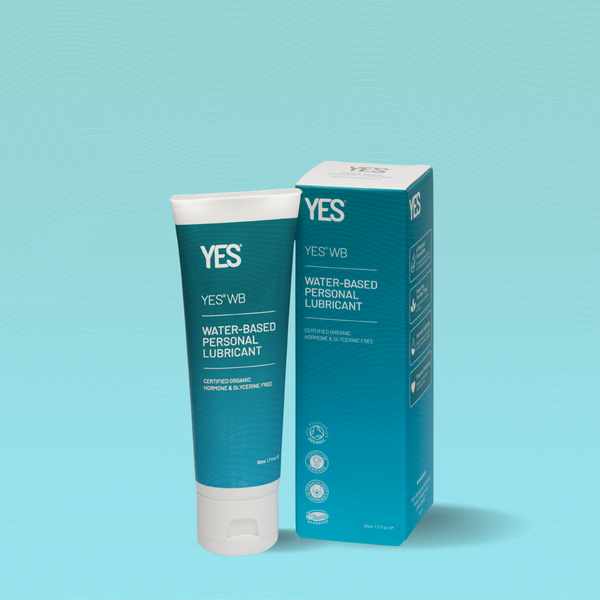

WB Water-Based Lubricant Tube

Select Tube Size:
FREE UK Shipping on orders over £40


Have a discount code? Add it in the next step.
4.8/5 based on 1,630 reviews
“Like sandpaper.” “Like glass.” The language people use for painful sex in menopause is vivid for a reason, it can be genuinely distressing, and the worry it stirs up about your relationship often weighs heavier than the physical pain. None of it means your sex life is over.
As oestrogen declines, several things happen at once: the vaginal lining thins and loses elasticity, blood flow drops, the vaginal opening can narrow slightly, and natural lubrication during arousal becomes slower and less abundant. Tissue that used to stretch and self-lubricate now does so less readily, so friction that was once effortless can hurt. This has a clinical name — dyspareunia — and it's physiology, not a verdict on your desire or your partner.
There's also a feedback loop worth naming: when sex has hurt, the brain learns to anticipate pain, which can cause pelvic-floor muscles to tense involuntarily (sometimes called guarding), which makes penetration more uncomfortable still. Understanding the loop is the first step to interrupting it, because relaxation and confidence are part of the treatment, not just the products.
THE SCIENCE IN BRIEF
Lower oestrogen thins the vaginal wall, reduces elasticity and blood flow, and slows natural lubrication, the drivers of painful sex. Anticipated pain adds pelvic-floor tension, compounding it, which is why comfort and relaxation matter together.
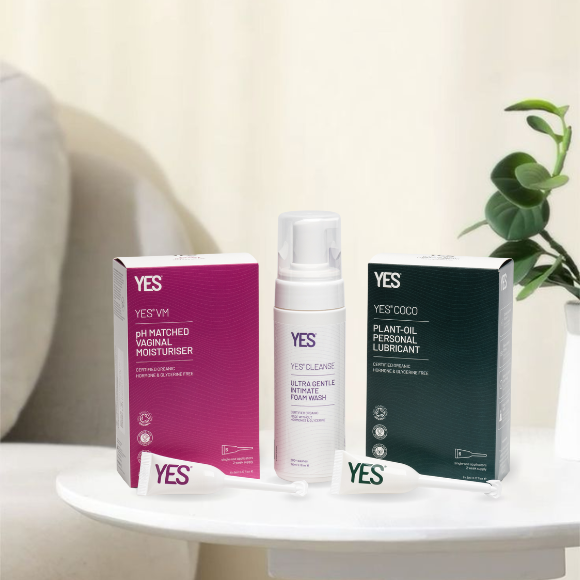
Rebuild a baseline of comfort with a daily moisturiser, used most days — not only before sex — so tissue is in better shape to begin with
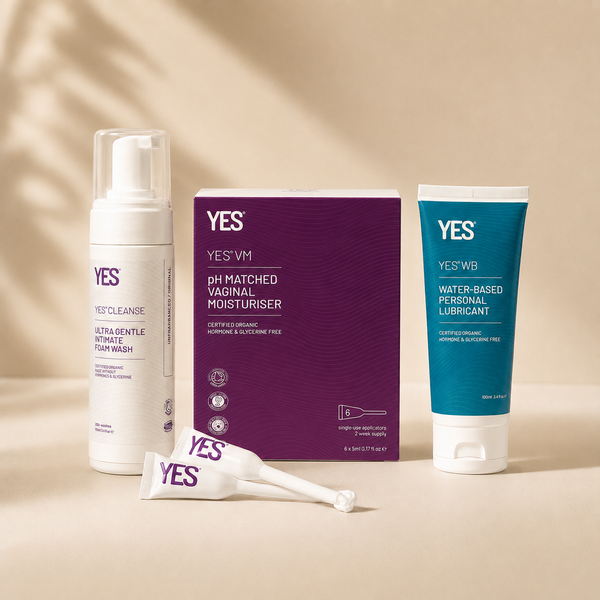
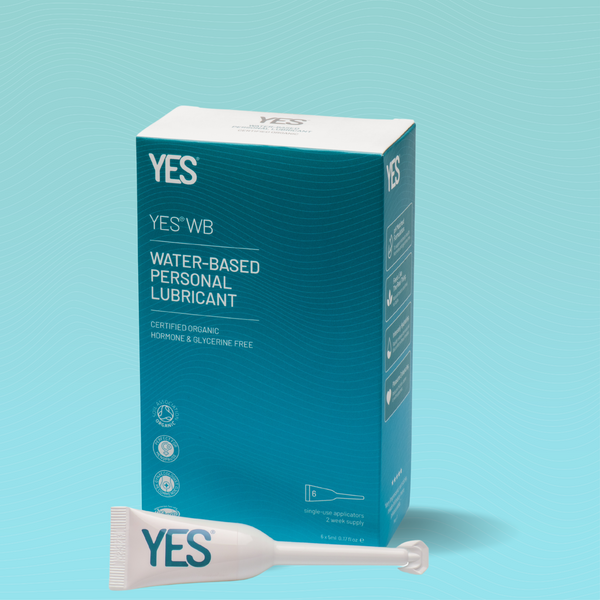
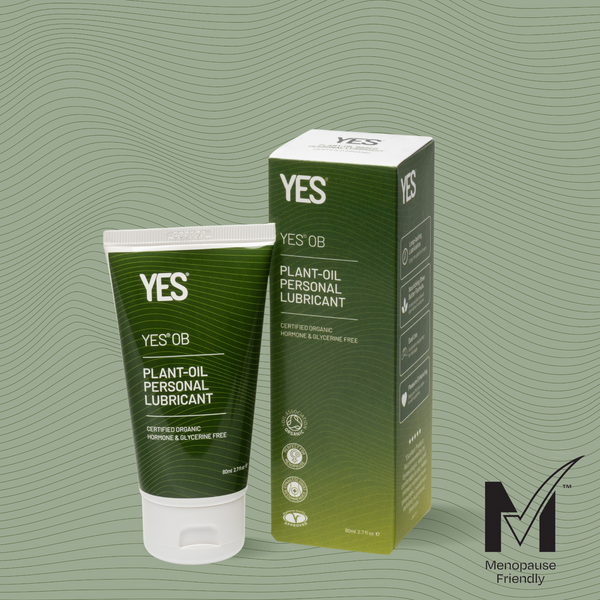
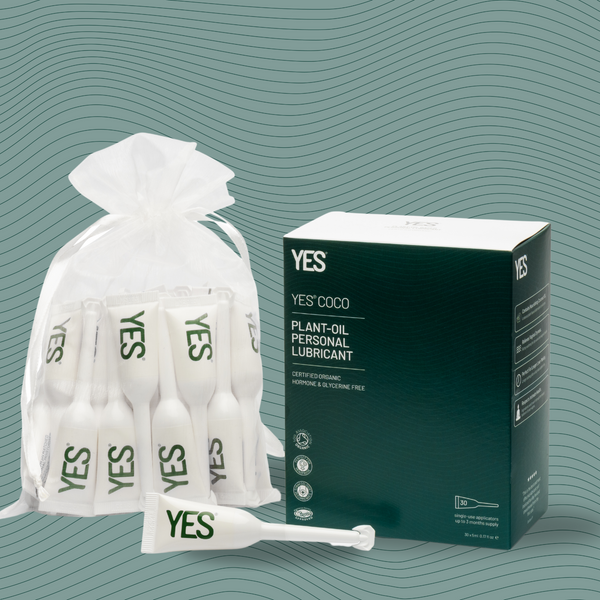
Use a generous lubricant from the start, not as a last resort: Water-Based (WB) for a natural feel and latex-condom compatibility, or longer-lasting Oil-Based (OB) and Coconut (COCO) for richer, slower-absorbing glide
Allow far more time for arousal; blood flow and natural lubrication both build with unhurried, relaxed stimulation
Consider pelvic-floor physiotherapy if tension, guarding or a tight feeling are part of the picture, it's a recognised, effective treatment
Vaginal dilators/trainers, often recommended by clinicians, can gently and gradually rebuild comfort with penetration
Communicate — naming what's happening removes a great deal of the anxiety on both sides, and lets you slow down without it feeling like rejection
For long-lasting glide, our richer COCO and OB lubricants are lovely (note: oil-based, so not latex-condom safe, but compatible with silicone toys). For an everyday, body-natural feel and condom compatibility, reach for WB. Many people use a daily moisturiser for baseline comfort and a lubricant for sex — the two do different jobs and work beautifully together. If pain persists despite these steps, do see a clinician: vaginal oestrogen is highly effective for dyspareunia, and other causes are worth ruling out.
Pleasure doesn't have an expiration date. The right combination of daily care, in-the-moment glide and a little patience can bring comfort, and connection, back.
Read more about the changes your body goes through during peri menopause and post menopause.
 All Blogs
 All Blogs
 All Blogs


