Depending upon individual experience, giving birth can be one of the most fulfilling and joyful life events. The first six weeks following delivery you exist in a haze of mixed emotions - euphoria, exhaustion, celebration, anxiety and the wonder of this new life you have created.
Then the six week check-up with your doctor is scheduled. The focus is now on you and your health rather than the baby, and the doctor will often discuss contraception. You are advised that even if fully breast-feeding you should be thinking about what type of contraception to use, so it is ‘presumed’ that by six weeks you should have a full and active sex life once more. However, evidence suggests that 60% of women will not have resumed sex by the six week check 1 which isn’t surprising when energy levels are at rock bottom and there hardly seems time to have a shower, let alone plan a romantic assignation between the sheets. Neither does it help when the new love of your life is just beside you and likely to wake at any moment!
Hormonal, physical and emotional changes can affect desire and lead to relationship problems with your partner who may already be feeling a little sidelined. Some women are lucky and with a straightforward delivery, plenty of postnatal support and a baby who actually sleeps, you may be back to your pre-baby levels of sexual activity within six weeks! However for many other new mothers it might take a while to get back to pre-pregnancy frequency of sex, for a variety of reasons. If you are breastfeeding, then there is a high chance that you will not be ovulating due to the breast milk hormone prolactin. If you are not ovulating, then temporarily your oestrogen levels will be low until your periods return. As a result of the low oestrogen levels, you may notice vaginal dryness or, more commonly, painful sex. This is very common but it is important to see a doctor or gynaecologist to exclude any other causes of painful sex. A study carried out by the Department of Obstetrics and Gynaecology, St George's Hospital, London 1 to investigate the impact of childbirth on the sexual health of women giving birth for the first time, and identify factors associated with dyspareunia (painful sex) found that in the first three months after delivery 83% of women in the study experienced sexual problems. This study also found that only 15% of women who had a postnatal sexual problem reported discussing it with a health professional. This is the important point, and the subject of post-baby sex should be discussed ante-natally, so that both parents are aware of the challenges and have expectations that are realistic, but that they are encouraged to seek help when necessary.
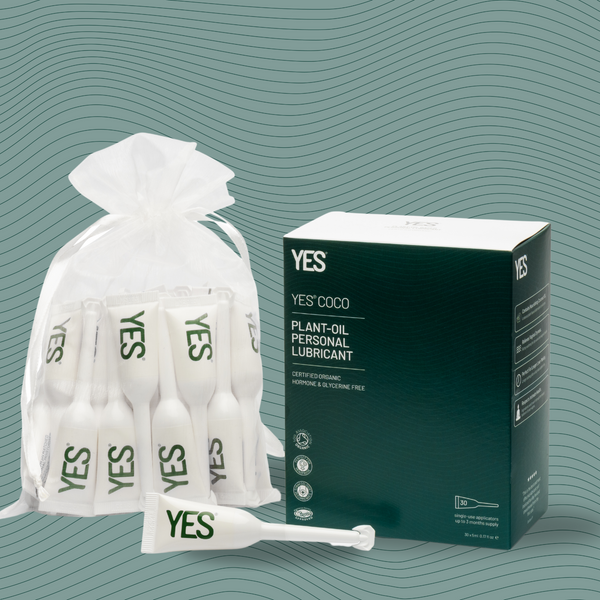
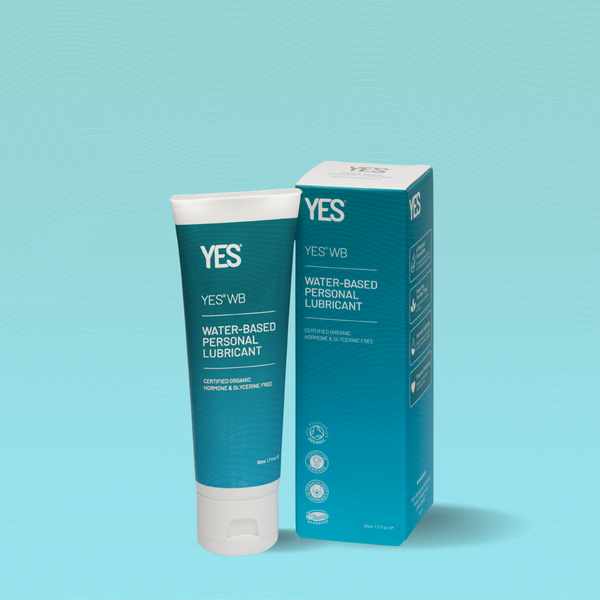
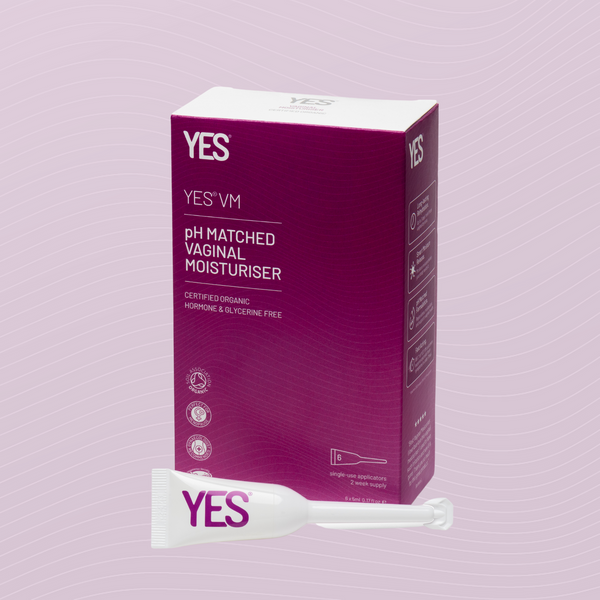
The lack of natural lubrication during breast-feeding or the fear of painful sex after childbirth can be greatly relieved by the use of a water based, certified organic, pH balanced lubricant such as YES WB. Most standard lubricants are formulated with glycerine which can lead to thrush but YES is free from glycerine, parabens and all known skin irritants and is recommended by health professionals worldwide. For longer lasting lubrication with healing and soothing properties YES OB Plant-oil based lubricant is a good choice and can also be used for perineal massage in the last few weeks of pregnancy. YES DG Double Glide offers the best of both worlds – water and oil used together (water over oil) for the ultimate in natural feel and glide.
It is encouraging to know that although some couples will experience painful sex in the months following childbirth, in a study of 1,507 first time mothers in Australia2 between 2013-2015, 94% had resumed sex at 6 months, 97% at 12 months and 98% at 18 months3. By then it might be time to start thinking about baby number two!
References
(1)
Barrett G,
Pendry E,
Peacock J,
Victor C,
Thakar R,
Manyonda I.
BJOG. 2000 Feb;107(2):186-95. Women's sexual health after childbirth.
(2)
McDonald EA,
Brown SJ. Does method of birth make a difference to when women resume sex after childbirth?
BJOG. 2013 Jun; 120(7):823-30
(3) McDonald EA, Gartland D, Small R, Brown SJ. Dyspareunia and childbirth: a prospective cohort study. BJOG 2015; 122:672–679.








 All Blogs


