
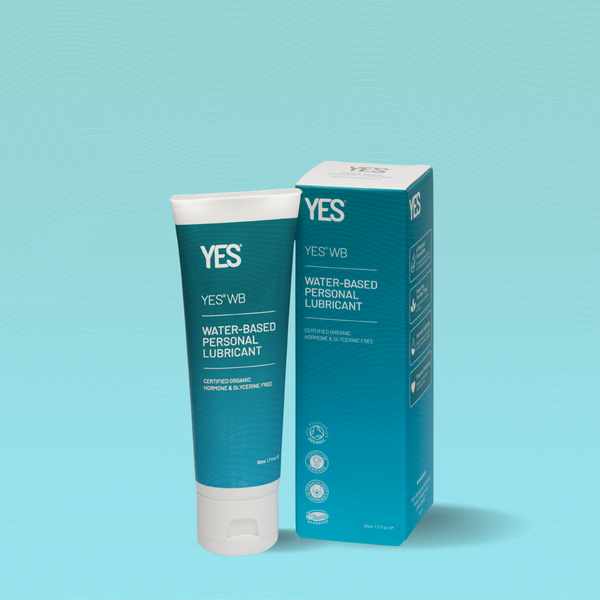

WB Water-Based Lubricant Tube

Select Tube Size:
Free YES WB 50ml when you spend £40+


Have a discount code? Add it in the next step.
4.8/5 based on 1,630 reviews
pH is a measure of the acidity or alkalinity of a water-based environment. No water present, such as our oil-based lubricant, then pH cannot be measured in the same way. The pH scale is from zero to 14, with pH7 in the middle being neutral or neither acidic or alkaline. If a pH is lower than 7 then the liquid is acidic and when above 7 it is alkaline. Lemon juice is pH2, so very acidic and bleach is pH12-13 and is well alkaline. If you are interested to know more, there is a good article in Wikipedia http://en.wikipedia.org/wiki/PH that explains the science behind pH in much more detail.
Intimate human pH varies: Vaginal pH is acidic, typically pH3.8-4.5 Rectal pH is neutral at pH7.0 Semen pH is slightly alkaline at pH7.0-8.5
Starting with vaginal pH: a typical healthy vaginal environment is moist and acidic. An acidic environment around pH4 is microbicidal for many sexually transmitted diseases (the acidity kills microbes and prevents infections). This acidity is made by a naturally occurring good bacteria population (called lactobacillus), when this population is reduced or compromised it cannot make sufficient lactic acid to keep the pH low. Examples of the sort of concerning microbes are Candida albicans (causes Thrush), HIV and various bacteria (causes Cystitis and BV). Bacterial Vaginosis (BV) is a common disease (although we believe it is not talked about enough) where an overgrowth of unwanted bacteria take hold in the vagina. BV is associated with a reduction in vaginal acidity; the pH rises towards pH7 or higher. BV is linked to premature birth, an increased risk of STD transmission including HIV and pelvic inflammatory disease (PID).
So for good vaginal health – keep your vagina acidic. Several factors can impact the Lactobacilli and stop them from operating normally which means their ability to protect against infections is lost. These include:

As the vagina dries the ability of the lactobacillus to function correctly is reduced, so the pH risesA course of antibiotics will kill good as well as bad bacteria. Usually the lactobacillus will come back quickly once the course of antibiotics has finished, but if an infection gets there first, they may not be able to bring back the protective acidic levels fast enough. A bout of Thrush or BV can then result.
Making love! The presence of semen (which slightly alkaline) neutralises vaginal acidity, for several hours. This is good, if you are trying for a baby, as sperm stop swimming in acidic conditions, so the alkaline nature of semen gives fertilisation a chance.
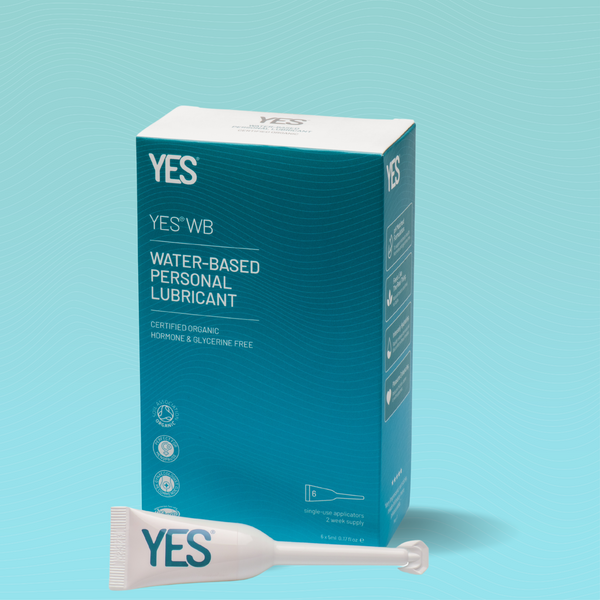
Many commercial lubricants are not matched to vaginal pH. Using a lubricant with a pH above vaginal pH (pH4.5) will have the same neutralising effect as semen and so increase the risk of infection. YES WB water based personal lubricant is designed to match vaginal pH, click on the link to find out more about Yes water-based.
What are the good bacteria? These good bacteria are called Lactobacillus and they are naturally occurring in the vagina. They produce lactic acid, which keeps the vagina at around pH4. A healthy vagina is lactobacillus-dominant.
Avoid using intimate products that are not matched to vaginal pH. Read the label, if it says vaginal pH matched-great. If it says pH buffered or pH neutral or doesn’t mention vaginal pH, don’t use it.
If you experience vaginal dryness or atrophic vaginitis try using a moisturising lubricant that clearly states is it designed to match vaginal pH. Use it daily, not for making love, but to bring the pH back down to typical acidic levels to give the lactobacilli a change to do their work.
If you douche, try not to do it too often, as you run the risk of washing away the good bacteria
Try never to use products containing chemicals that can interfere with the vaginal environment or cause irritation. By this is mean fragranced tampons and panty liners, intimate deodorants or chemical based lubricants containing glycerin.
Don’t use talcum powder. It does that drying thing and dry is bad
Have more showers than baths – less exposure to the chemicals in the soaps and bath products
Avoid strong soaps – it is a curious thing to say as it sounds like I am suggesting “don’t wash down there”. Most soaps are strongly alkaline and it is not just the vagina that matters here, the outer tissues are delicate and sensitive, they are similar to the internal vaginal tissues and should be treated gently too. Use an intimate wash designed for vaginal use or go gently with the soap.
It is known that Candida albicans cannot grow below pH5-6. So when vaginal pH rises above pH5 Candida can start growing and cause a Thrush outbreak. Many lubricants, whatever their pH, contain glycerine and at low concentrations, below 5%, glycerine (it is a complex form of sugar) can feed Candida albicans so encouraging the likelihood of a bout of Thrush.
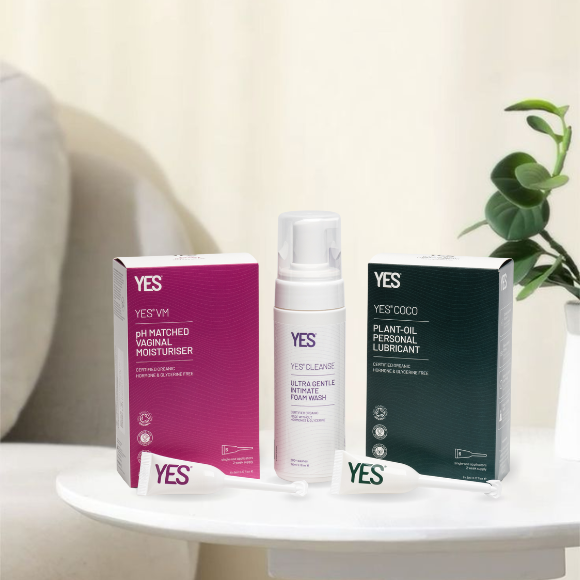
At YES, pH matching has always been a core part of how we formulate intimate products because healthy vaginal tissue depends on maintaining its natural acidic balance. Our water-based products, including YES WB and YES VM, are specifically pH matched to the vagina to help support the natural microbiome rather than disrupt it, which in turn helps reduce the risk of irritation and imbalance.
We also avoid ingredients commonly linked to these problems, such as glycerine, unnecessary fragrances, and harsh chemicals, as part of our wider philosophy of creating scientifically formulated, body-compatible products that work in harmony with women’s intimate tissues, not against them.
Read more about the changes your body goes through during peri menopause and post menopause.
 All Blogs
 All Blogs
 All Blogs


