

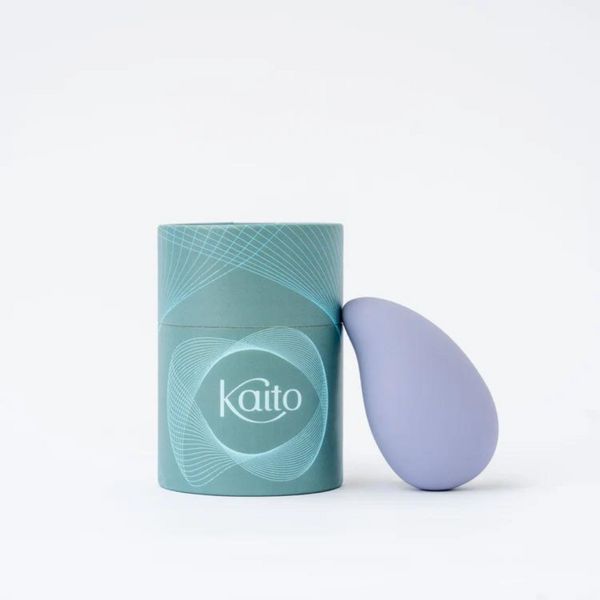


 Best seller
- Menopause friendly
- Easy to apply
- pH matched
- Lasts 1-3 days
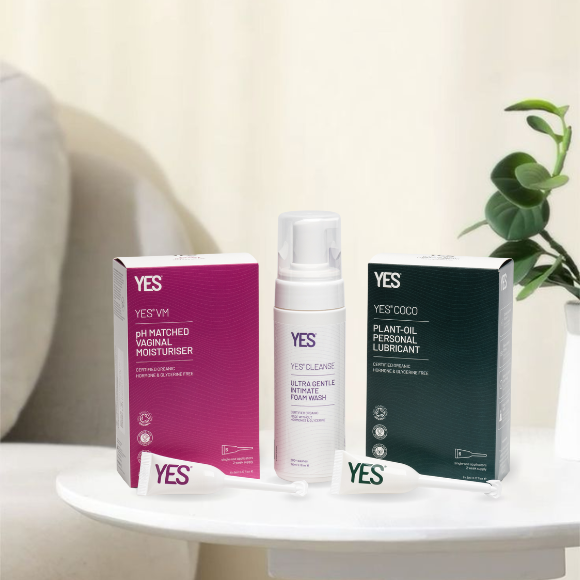
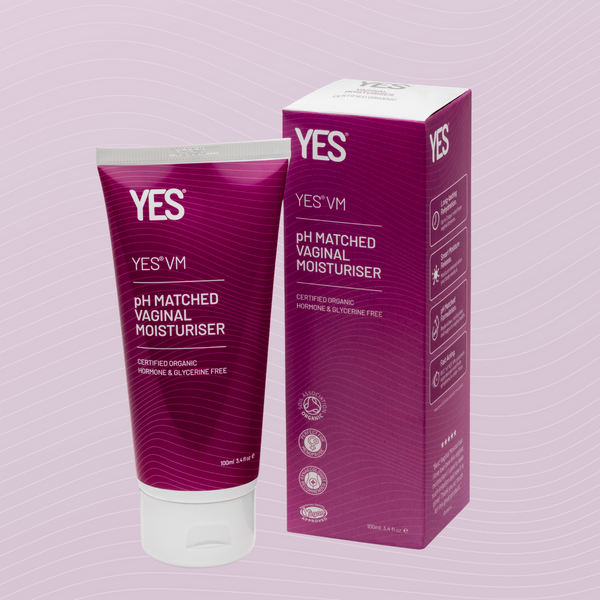
VM Vaginal Moisturiser
SHOP NOW
15% Off and Free Shipping (UK only) When You Subscribe*
Have a discount code? Add it in the next step.
4.8/5 based on 1,630 reviews
As oestrogen naturally falls in peri- and post-menopause, the vulva and vagina can become thinner, drier and less stretchy, leading to soreness, itching, tightness and painful sex. Inside, protective Lactobacillus bacteria often decline and pH rises, which can mean more irritation and infections, so anything you put on this area really needs to support, not stress, that balance.
Many women now avoid “chemical‑heavy” lubes and washes because they burn, seem linked to thrush or BV, and have long ingredient lists full of parabens, glycerin and strong preservatives. Studies back this up: some conventional, very concentrated (hyperosmolar) lubricants can damage vaginal cells and disrupt healthy bacteria, which is why WHO recommends gentler, low‑osmolality, low‑glycol formulas. Plant‑based, low‑irritant products are a simple way to align with this science.
As oestrogen falls, several things happen at once:
Blood flow and natural lubrication reduce, so the tissues are less plump and slower to respond to arousal.
The vaginal lining makes less glycogen, the “food” that Lactobacillus bacteria use to create protective lactic acid.
Collagen and elastin decline, so the tissue doesn’t stretch as easily and can feel tight, fragile or “sandpapery”.
Doctors often call this cluster of changes genitourinary syndrome of menopause (GSM). It’s very common, but that doesn’t mean you have to simply put up with it – there is a lot you can do to feel more comfortable again.
Many women say they’re moving away from “chemical‑heavy” lubes and washes because they:
Sting or burn on already‑sensitive, thinned tissue.
Seem to go hand‑in‑hand with repeated thrush or BV, often when they contain lots of glycerin or strong preservatives.
Have long ingredient lists full of names they don’t recognise, including parabens, chlorhexidine and very concentrated (hyperosmolar) formulas.
Lab studies back this up: some mainstream lubricants can slow the growth of healthy Lactobacillus and damage vaginal cells, especially when they are very hyperosmolar or contain harsh antimicrobial preservatives like parabens or chlorhexidine. World Health Organisation guidance now recommends that water‑based lubes are gentler on tissues, with lower osmolality and limited amounts of ingredients like glycerol and propylene glycol to reduce the risk of irritation and infection.
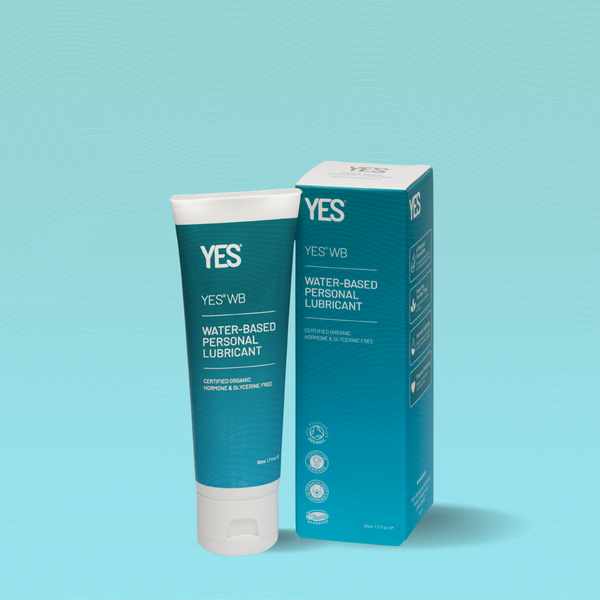
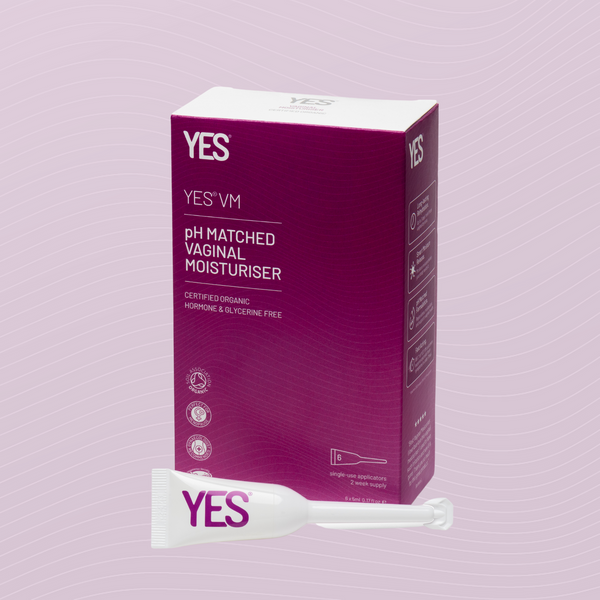
Aloe vera (YES WB & YES VM) – Hydrates, soothes and supports healing on delicate tissue; in YES WB and YES VM it’s combined with flax and plant gums to form a silky, pH‑matched, glycerin‑free gel that clings to dry vaginal walls and slowly releases moisture.
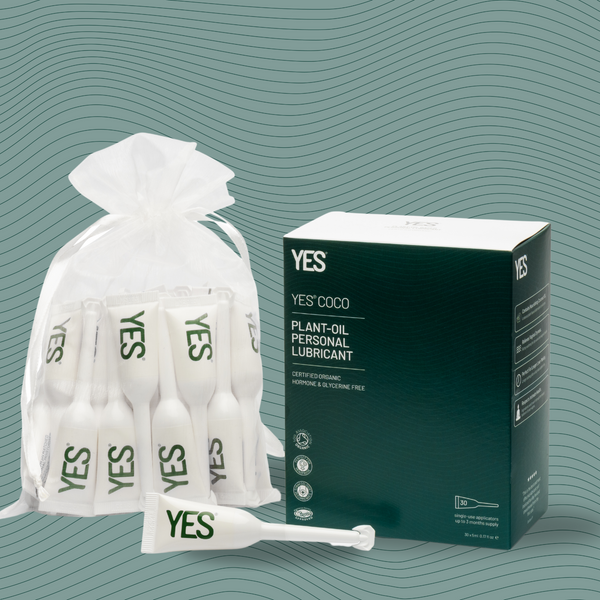
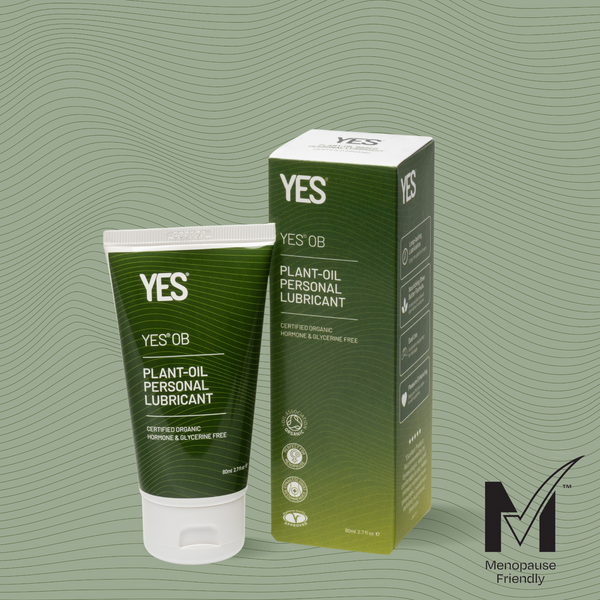
Plant oils and butters (YES OB) – Organic cocoa and shea butters, sunflower and sweet almond oils and vitamin E give long‑lasting slip and a cushioned feel when tissues are tight or sore, absorbing like a body oil and doubling as a vulval moisturiser or massage oil (not for use with latex condoms).
Plant gums instead of harsh glycols (YES WB & YES VM) – Rather than relying on high levels of glycerin and glycols, YES WB and YES VM use plant gums and gentle humectants to hold moisture in place, keeping the formulas isotonic and pH‑appropriate and kinder to vaginal cells and Lactobacillus.
Across the YES range, soothing botanicals (aloe, flax, plant oils, butters, vitamin E) are paired with a strict “no” list: no parabens, glycerin, added fragrance, chlorhexidine, nonoxynol‑9 or petrochemical silicones – the very ingredients women and clinicians most often flag as problematic in midlife.
A plant‑based vaginal moisturiser like YES VM can be used regularly to keep tissues comfortably hydrated and less fragile day‑to‑day, while YES WB or YES OB adds glide during sex or pelvic floor exercises to break the pain–tension cycle. Together with options like pelvic floor physio and, where appropriate, local vaginal oestrogen, they offer a gentle, hormone‑free way to make midlife vulvas and vaginas feel more like you again.
Short, transparent ingredient lists they can actually understand.
Products that feel as close as possible to their own lubrication – not sticky, not “plastic-y”, and without strong smell or taste.
No burning, itching or “next‑day” irritation, even with frequent use.
Vegan, cruelty‑free and plant‑based formulations that align with their wider values.
Menopause can transform how your vulva and vagina feel – but it doesn’t have to mean giving up comfort or pleasure.
Plant‑based, hormone‑free vaginal moisturisers and lubricants built around ingredients like aloe vera, sea buckthorn, plant oils, hyaluronic acid and gentle botanicals can:
Soothe dryness, burning and itching.
Support the vaginal microbiome and mucosal barrier.
Can make sex, self‑touch and everyday movement more comfortable.
Choosing certified organic, minimally formulated products that respect the physiology of menopausal tissue lets you care for your most intimate skin with the same attention you already give your face, only this time, with ingredients that are as kind to your body as they are to the planet.
Sources:
Menopause and vaginal microbiota
Menopausal shift on women's health and microbial niches – Nature Reviews Urology (2025)
Vaginal microbiota changes in menopause
Changes in Vaginal Microbiota During Menopause – Microbiology Journal (2026)
Clinical guidance on vaginal moisturisers and lubricants
Vaginal Moisturizers and Lubricants – Breastcancer.org (updated 2025)
https://www.breastcancer.org/treatment-side-effects/vaginal-dryness/moisturizers-lubricants
Menopause and vaginal dryness overview
Menopause and Vaginal Dryness – Victoria Health (2025)
https://victoriahealth.com/editorial/menopause-and-vaginal-dryness/
Natural remedies and aloe for dryness
Vaginal Dryness: Natural Remedies to Help – Healthline (2025)
https://www.healthline.com/health/menopause/natural-remedies-for-vaginal-dryness
Natural remedies and sea buckthorn
Best Natural Remedies for Vaginal Dryness & Comfort – Pharmacy24 (2025)
https://www.pharmacy24.ca/best-natural-remedies-for-vaginal-dryness/
Clinical and lab data on plant-based vaginal gels
Efficacy and safety of a new vaginal gel for the treatment of symptoms associated with vulvovaginal atrophy – PubMed
Mechanistic and in‑vitro data on plant-rich vaginal gel
Safety and efficacy of a new vaginal gel, Feminilove, for the treatment of symptoms associated with vulvovaginal atrophy – bioRxiv preprint
Clinical trial of moisturising cream for vulvar/vaginal atrophy
Effects of a Moisturizing Cream on Vaginal and Vulvar Atrophy – ClinicalTrials.gov (NCT02937805)
Lubricants and microbiome/cell safety
Clinical and personal lubricants impact growth of vaginal Lactobacillus species and colonization by Candida albicans – PMC
Lubricants, osmolality and irritation
Is Your Lubricant Causing Pelvic Pain or Infections? – Pelvic Health & Rehabilitation Center (PHRC)
Read more about the changes your body goes through during peri menopause and post menopause.
 All Blogs
 All Blogs
 All Blogs


