
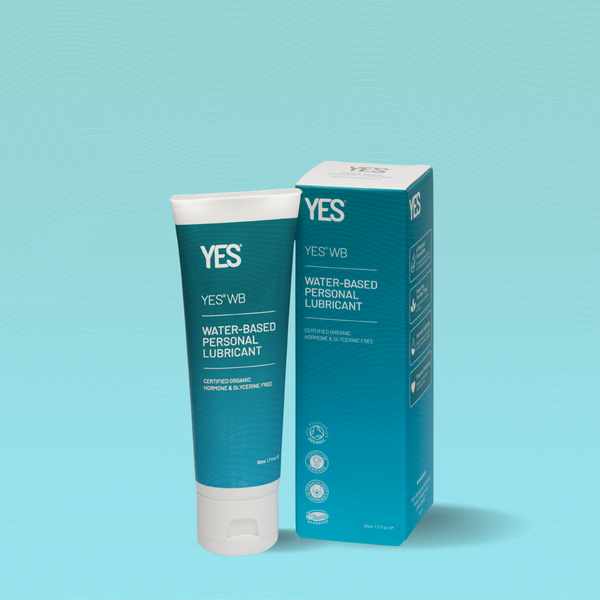

WB Water-Based Lubricant Tube
Select Tube Size:
FREE UK Shipping on orders over £40

Have a discount code? Add it in the next step.
4.8/5 based on 1,630 reviews
Search any menopause forum and the same home remedies come up again and again. Some have genuine merit; others carry catches worth understanding. Here’s an honest, evidence-aware look at the most popular ones, and where a purpose-made product earns its place.
Hyaluronic acid: A humectant, meaning it attracts and holds onto water to help tissues stay hydrated. It’s become a popular ingredient in non-hormonal vaginal moisturisers, but it isn’t the only way to achieve this effect. YES VM uses natural plant-based gums that also bind and retain water, helping replenish moisture and support lasting hydration without the need for hyaluronic acid. YES VM is designed to release moisture where and when it’s needed, with hydration lasting for up to three days.
Coconut oil: Naturally moisturising and widely used for lubrication. Because pure plant oils don’t contain water, measures such as pH and osmolality, which apply to water-based formulations, aren’t relevant in the same way. The important consideration is that straight coconut oil hasn’t been specifically formulated or tested as an intimate product, and oils aren’t compatible with latex condoms.
Vitamin E (oil or suppositories): Soothing for external skin and used by some people for dryness, but robust evidence for treating internal vaginal dryness specifically is still limited.
Sea buckthorn / omega-7 supplements: Often discussed as an inside-out approach to supporting mucous membranes. Research is emerging, but the evidence isn’t yet strong enough to consider it a proven solution for vaginal dryness.
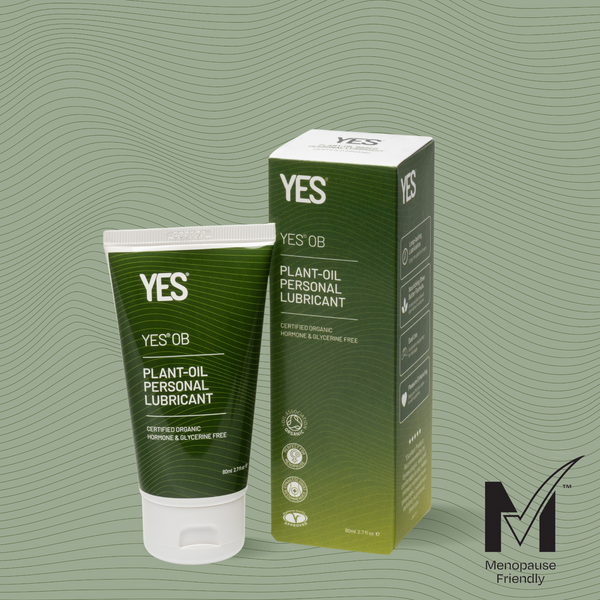
Olive or almond oil: Sometimes used on their own as lubricants, but concentrated kitchen or cosmetic oils aren’t the same as a product specifically formulated for intimate use. Almond oil, for example, is one of the carefully selected ingredients in YES OB, where it forms part of a purpose-made blend of plant oils and butters designed to nourish and condition intimate skin. As with other oil-based lubricants, it isn’t compatible with latex condoms.
“Natural” and “effective” aren’t opposites, but formulation matters. Ingredients that may feel moisturising on their own aren’t necessarily equivalent to a product specifically developed for delicate vulval and vaginal tissues. Purpose-made intimate products bring together carefully selected ingredients in formulations designed and tested for how and where they’ll be used.
The biggest issue with DIY remedies isn’t that an ingredient is automatically “bad” because it comes from your kitchen cupboard. It’s that the ingredient on its own hasn’t necessarily been formulated or tested for intimate use.
When vaginal and vulval tissues are already dry or sensitive, reliability matters. A purpose-made product gives you greater certainty around its ingredients, how it behaves on intimate tissue and important practical considerations such as condom compatibility. That’s particularly valuable when you’re looking for ongoing relief rather than a one-off fix.
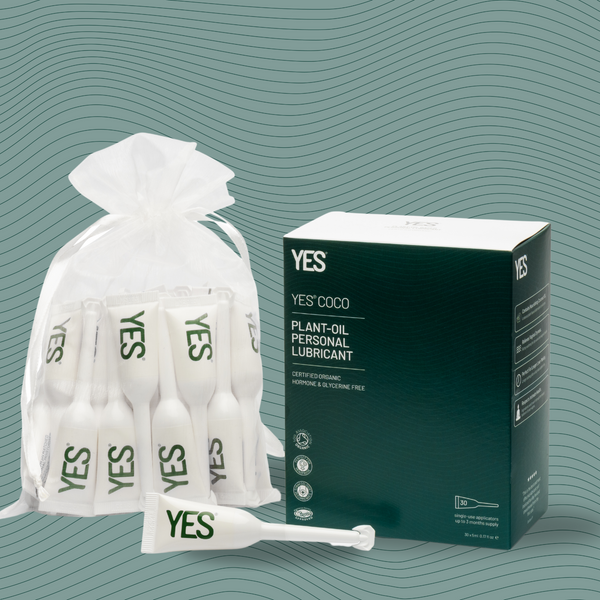
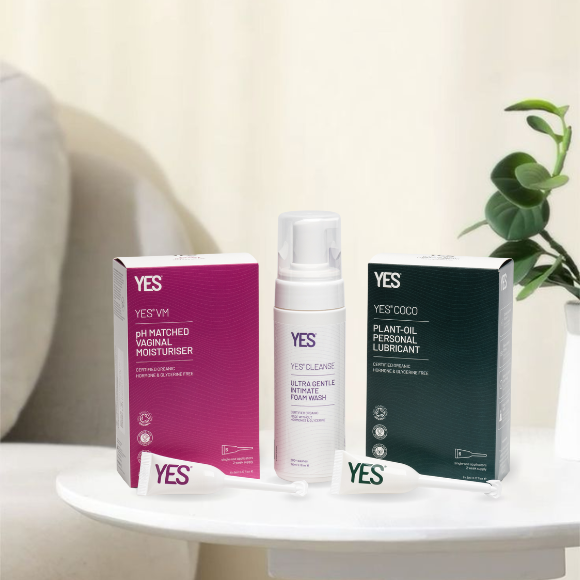
If you love the idea of coconut oil, YES COCO is the considered version: a luxurious plant-based lubricant combining organic coconut and jojoba oils in a formula specifically designed to nourish and condition dry vulval and vaginal tissues while providing a smooth, longer-lasting glide. Its single-use applicators also make application discreet and hygienic. Like all oil-based lubricants, it isn’t compatible with latex condoms.
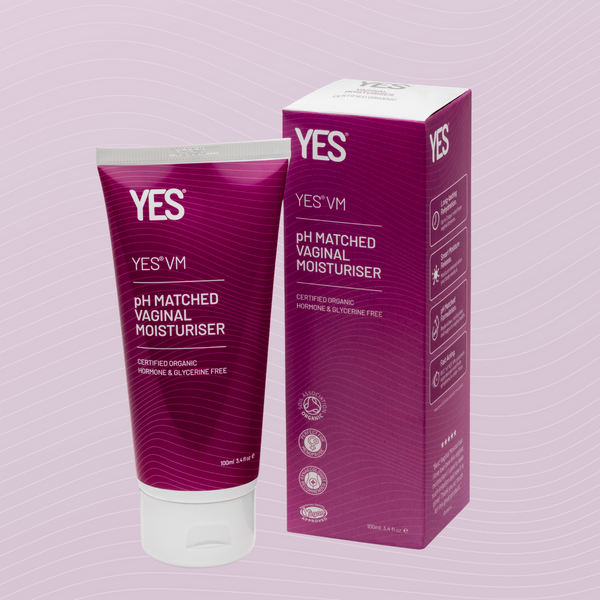
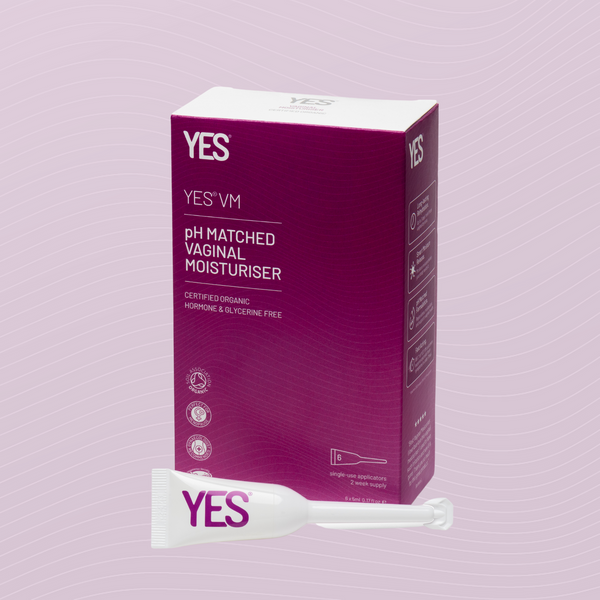
For ongoing vaginal dryness rather than lubrication, YES VM is designed specifically to replenish moisture and rehydrate dry and sensitive vaginal tissues. Its pH-matched, iso-osmotic formulation works with the vagina’s natural environment and provides hydration for up to three days.
Read more about the changes your body goes through during peri menopause and post menopause.


