






- Removes odour-causing bacteria
- Wash
- Over 200 washes
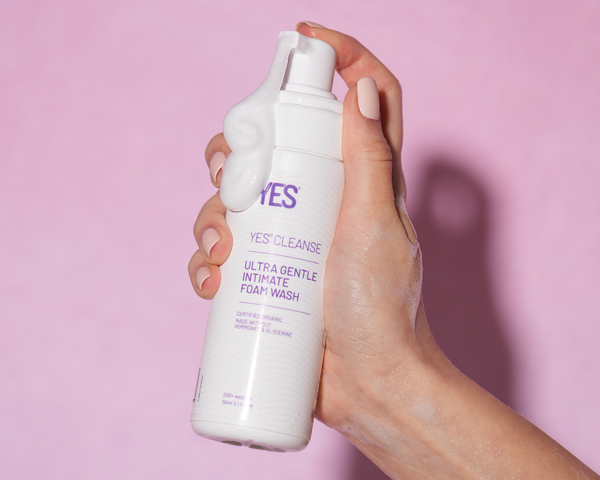
Organic YES Cleanse Intimate Wash 150ml
SHOP NOW
15% Off and Free Shipping (UK only) When You Subscribe*
Have a discount code? Add it in the next step.
4.8/5 based on 1,630 reviews
Vaginal odour is a common concern. We’ve all heard the jokes and negative comments surrounding female genitalia, and it can make something completely natural feel embarrassing to talk about.
But here’s the truth: vaginal odour is usually completely normal, and understanding what’s typical (and what’s not) can help you feel more confident in your body.
Below, we break down what’s normal, what to look out for, and how to support your intimate health in a way that works with your body, not against it.
Yes, absolutely (in most cases).
A mild, natural, slightly musky scent is completely normal and is linked to your vagina’s natural balance of bacteria, also known as the vaginal microbiome.
Everybody is different, and what’s normal for you may not be the same for someone else, and that’s OK.
It’s also normal for vaginal odour to change slightly depending on:
Your menstrual cycle
Sexual activity
Hormonal changes (including perimenopause and menopause)
Exercise or sweating
These shifts are part of your body’s natural rhythm, not something to be “fixed”.
However, if the odour becomes noticeably strong, unpleasant, or is accompanied by other symptoms, it could be a sign that something isn’t quite right.
One of the most common causes of a strong, fishy odour is bacterial vaginosis (BV). This happens when the natural balance of bacteria in the vagina is disrupted.
Other symptoms can include thin, greyish discharge.
An overgrowth of Candida can lead to a yeast infection, which is often associated with:
Thick, white discharge (often described as “cottage cheese-like”)
Itching or irritation
A slightly yeasty smell
When it comes to intimate care, more isn’t always better.
Over-washing, using harsh soaps, or fragranced products can disrupt your natural pH balance
Under-cleansing (especially around the vulva) can allow sweat and bacteria to build up
The key is balance: gentle, not aggressive care.
Everyday factors like sweat and menstrual blood can temporarily change vaginal odour. This is completely normal and usually resolves with regular hygiene practices.
As oestrogen levels fluctuate, particularly during perimenopause and menopause, the vaginal environment can become drier and more sensitive. This can subtly affect scent and overall comfort.
Your vagina is self-cleaning, so there’s no need to wash internally.
Your vulva (the external area) is not self-cleaning, so gentle cleansing can help maintain comfort and freshness.
If you choose to use a product:
Opt for a gentle, pH-matched intimate wash
Avoid glycerine, parabens, fragrances, and harsh irritants
This helps support your natural balance rather than disrupting it.
Douching can interfere with your vaginal microbiome and increase the risk of infections. It’s best avoided.
Cotton underwear and loose-fitting clothing allow air circulation and help prevent moisture build-up, which can contribute to odour.
Using condoms can help reduce the risk of sexually transmitted infections (STIs), some of which can cause changes in odour.
A balanced diet, staying hydrated, and overall wellbeing all play a role in vaginal health. For example, high sugar intake can contribute to yeast overgrowth in some people.
If you notice persistent changes in odour or experience symptoms like irritation, itching, or unusual discharge, it’s always best to speak to your GP or healthcare professional.
Vaginal odour is normal. It’s part of a healthy, functioning body.
What matters most is understanding your own baseline and noticing when something changes.
At YES, we believe intimate care should feel simple, supportive, and grounded in real science, helping you feel comfortable in your body, not self-conscious about it.
References:
Read more about the changes your body goes through during peri menopause and post menopause.
 All Blogs
 All Blogs
 All Blogs

