
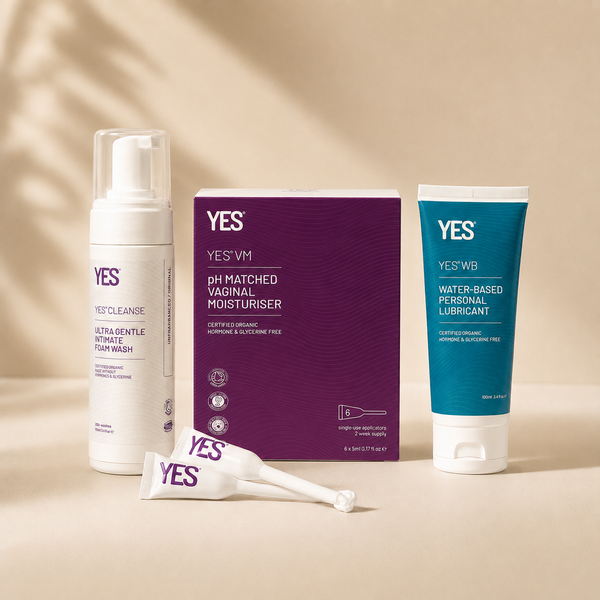
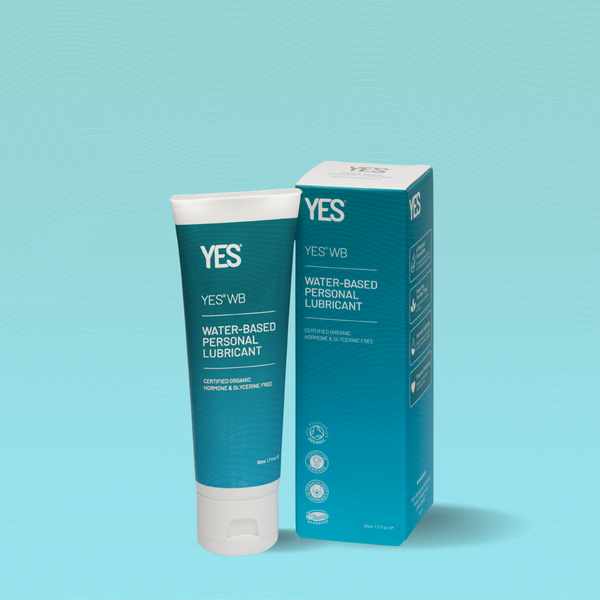
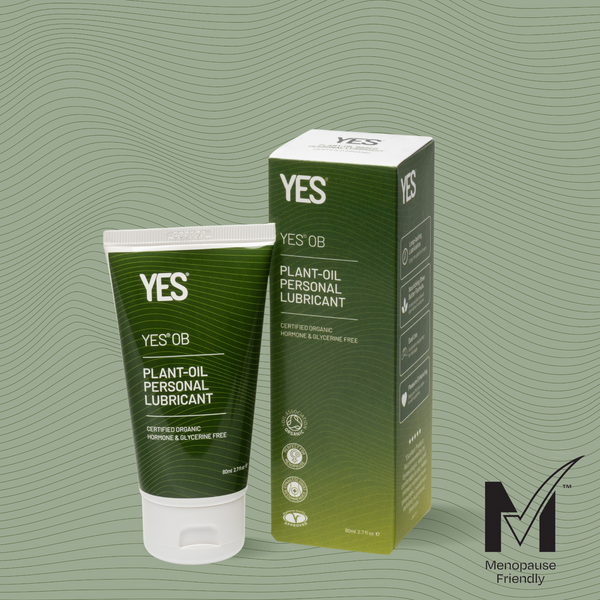
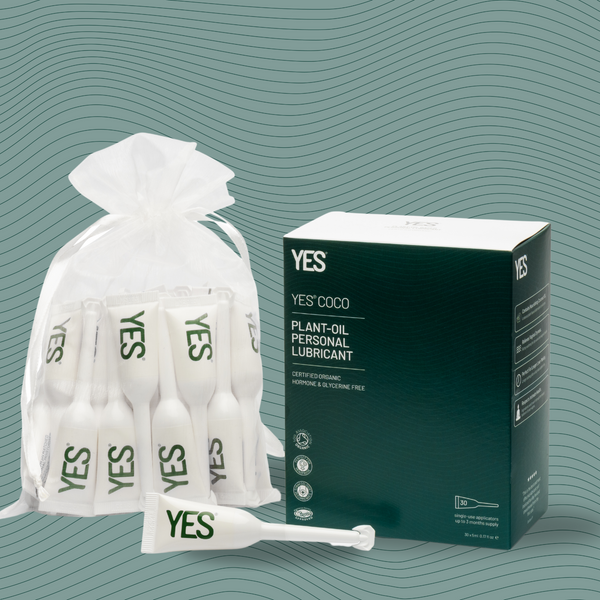
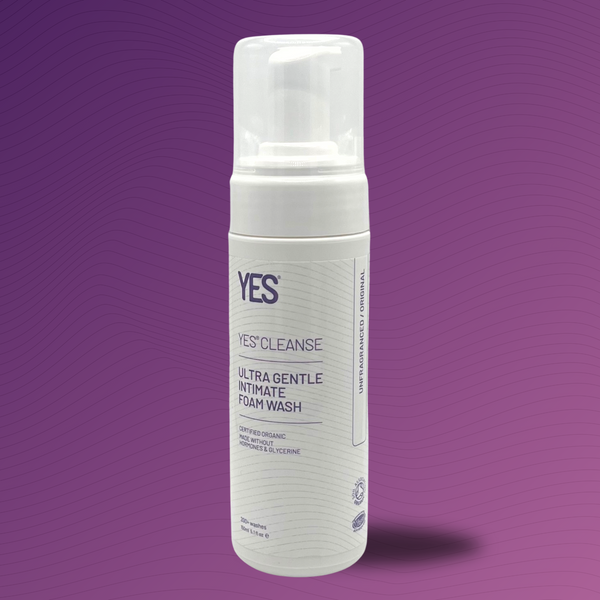

WB Water-Based Lubricant Tube

Select Tube Size:
FREE UK Shipping on orders over £40


Have a discount code? Add it in the next step.
4.8/5 based on 1,630 reviews
When people talk about “vaginal” dryness, the conversation usually stays internal. But for many, the first and most noticeable symptoms are external — on the vulva — and because they don't fit the expected picture, they're easily misread or missed entirely.
The vulva — the labia, the entrance, the clitoral hood and the surrounding skin — is rich in oestrogen receptors, just like the vaginal canal. As oestrogen declines, this external tissue also thins, loses some of its fatty cushioning and elasticity, and becomes drier and more delicate. Thinner skin tears and splits more easily and is more reactive to friction and irritants. Over time the labia minora can become less prominent and the entrance a little tighter — all normal, all part of GSM, and all responsive to care.
THE SCIENCE IN BRIEF
The vulva is oestrogen-dependent too. As levels fall, external skin thins and loses cushioning — making it prone to splits, soreness and friction irritation that internal-only products simply don't reach.
Labial dryness and a tight, stretched feeling
Tiny splits, fissures or a paper-cut sensation, especially at the entrance
Soreness or tenderness that lingers after sex or exercise
A little spotting after wiping, from fragile surface skin
Stinging on contact with urine, soap or fragranced products
Itching that's worse at night
Drier, thinner external tissue is far more vulnerable to ordinary friction. Tight jeans, cycling, exercise, synthetic underwear, long flights and long stretches of sitting can all leave you sore. It isn't in your head — it's a real, physical change in sensitivity, and small adjustments make a noticeable difference.
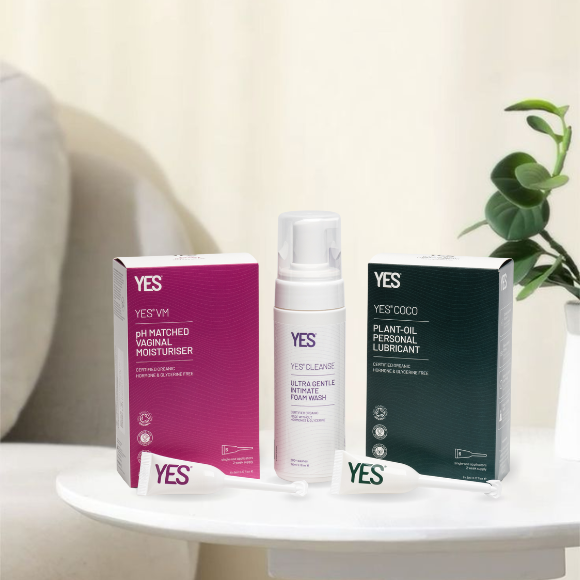
Internal-only products won't reach external symptoms. Helpfully, our Vaginal Moisturiser and Coconut Oil-Based lubricant can both be applied externally for daily vulval comfort, soothing the skin where friction actually happens. Breathable cotton underwear, looser fabrics, fragrance-free washing and changing promptly out of damp kit all help too.
Please get checked if you notice persistent splits, bleeding, sores that don't heal, white or thickened patches, or significant changes in the shape or colour of the skin. These can point to skin conditions such as lichen sclerosus, which is treatable but needs proper diagnosis — and any unexplained vulval changes deserve a professional look.
Sources / further reading:
StatPearls: Genitourinary Syndrome of Menopause (NCBI Bookshelf)
Read more about the changes your body goes through during peri menopause and post menopause.
 All Blogs
 All Blogs
 All Blogs


