

WB Water-Based Lubricant Tube

Select Tube Size:
FREE UK Shipping on orders over £40


Have a discount code? Add it in the next step.
4.8/5 based on 1,630 reviews
For years, we’ve happily moisturised our faces, cared for our hands, and invested in skincare routines designed to keep our skin healthy and comfortable.
But when it came to intimate health, the conversation often stopped.
Many women were taught to simply put up with vaginal dryness, irritation, discomfort, or changes that arrived during menopause. Others were left navigating confusing products, outdated advice, or messaging that focused on hygiene rather than health.
Thankfully, this is changing.
Today, more women are recognising that intimate tissues deserve the same thoughtful care as the rest of the body. Not because intimate health is a beauty concern, but because comfort, confidence and wellbeing matter.
When we talk about intimate skincare, we’re referring to caring for the delicate tissues of the vulva and vagina in a way that supports comfort, hydration and long-term tissue health.
This might include:
Just like facial skincare isn’t about changing your face, intimate skincare isn’t about changing your body. It’s about helping your tissues stay healthy, comfortable and resilient throughout life’s different stages.
Many people use the words “vagina” and “vulva” interchangeably, but they’re actually different parts of the body.
The vulva is the external part of the genital area, including the labia, clitoris and vaginal opening.
The vagina is the internal muscular canal that connects the cervix to the outside of the body.
Why does this matter?
Because different products are designed for different areas.
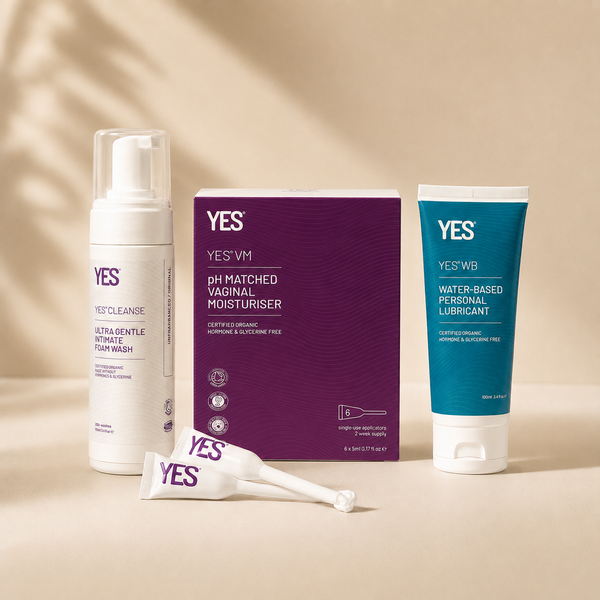
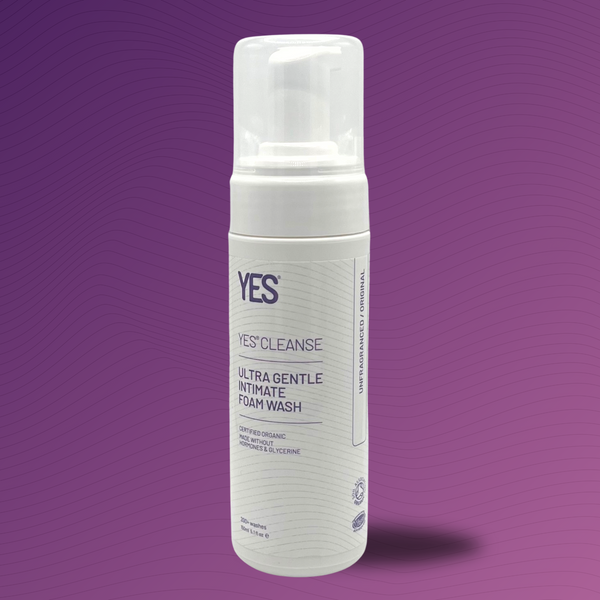
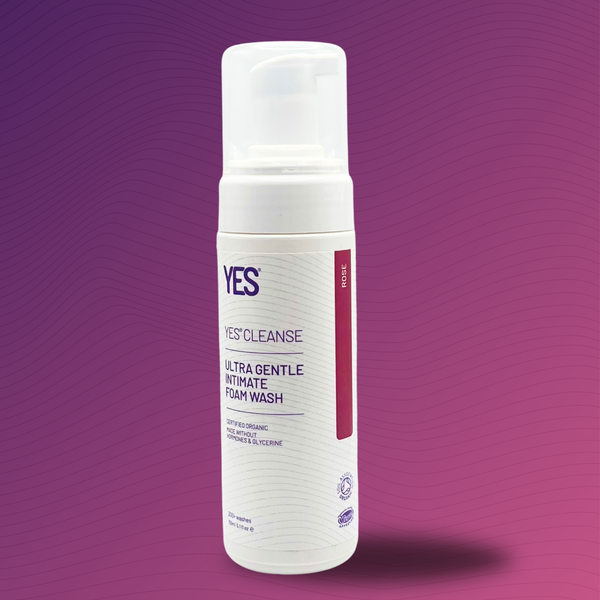
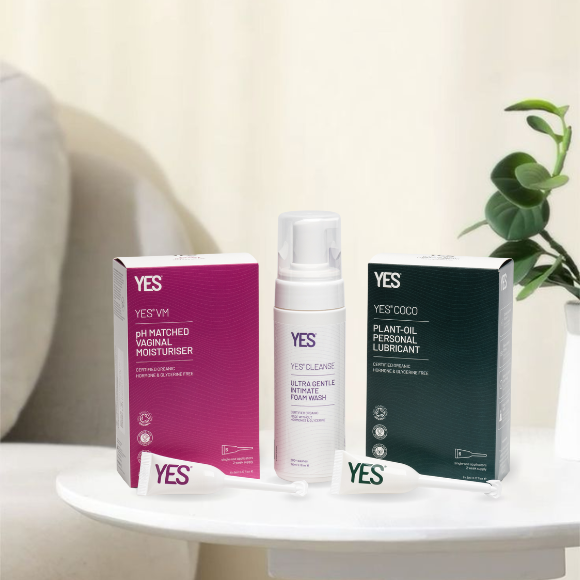
For example, a gentle intimate wash such as YES CLEANSE is designed specifically for the external vulval area, while products like YES VM Vaginal Moisturiser are designed to provide moisture support inside the vagina.
Understanding the difference can help you choose the right support for your needs.
Our intimate tissues are heavily influenced by hormones, particularly oestrogen.
Oestrogen helps maintain:
As hormone levels change during perimenopause and menopause, many women notice symptoms such as:
These changes are extremely common.
In fact, more than half of women experience vaginal dryness during and after menopause, yet many suffer in silence without realising support is available.
The good news? These symptoms are often manageable with the right combination of lifestyle changes, moisturisation, lubrication and medical support when needed.
Let’s clear up a few common misconceptions.
Healthy vaginas have their own natural scent. They don’t need perfumes, sprays or fragranced products.
The vagina is self-cleaning.
Douching and internal cleansing products can disrupt the natural vaginal environment and may increase irritation.
Intimate skincare isn’t cosmetic.
It’s about supporting comfort, reducing irritation and helping women feel more like themselves.
The vulva is skin, and like any skin, it may occasionally benefit from gentle cleansing.
However, harsh soaps, heavily fragranced products and foaming cleansers can sometimes leave intimate tissues feeling dry or irritated.
Products like YES CLEANSE are specifically formulated for the vulval area and are designed to cleanse gently without disrupting the natural balance of delicate skin.
Vaginal moisturisers are designed to provide ongoing hydration and support to vaginal tissues.
Unlike lubricants, they’re used regularly, whether or not you’re sexually active.
For women experiencing persistent dryness, irritation or discomfort, a vaginal moisturiser can help replenish moisture and support tissue comfort over time.
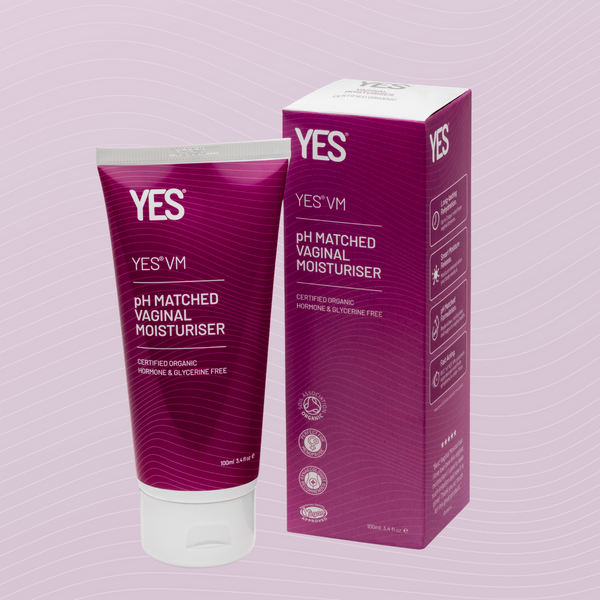
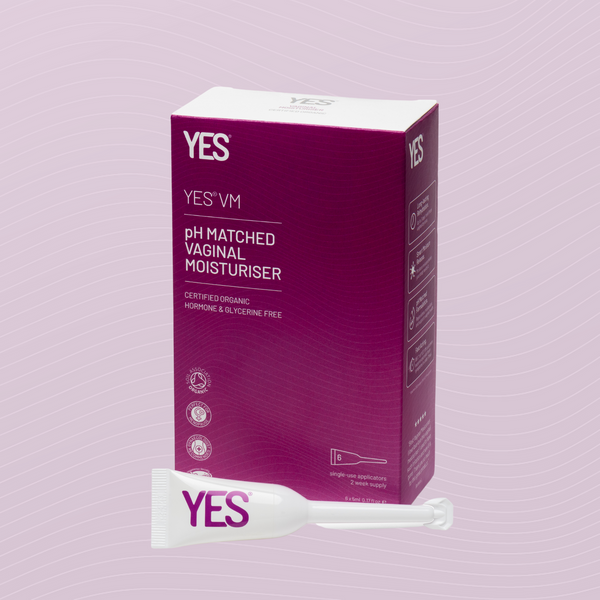
YES VM Vaginal Moisturiser uses an iso-osmotic, pH-matched formula that works in harmony with the body’s natural hydration levels and can provide up to three days of moisture support.
Lubricants are designed to reduce friction during intimacy, pelvic examinations or the use of vaginal dilators.
They provide immediate comfort when needed but don’t replace the ongoing hydration benefits of a vaginal moisturiser.
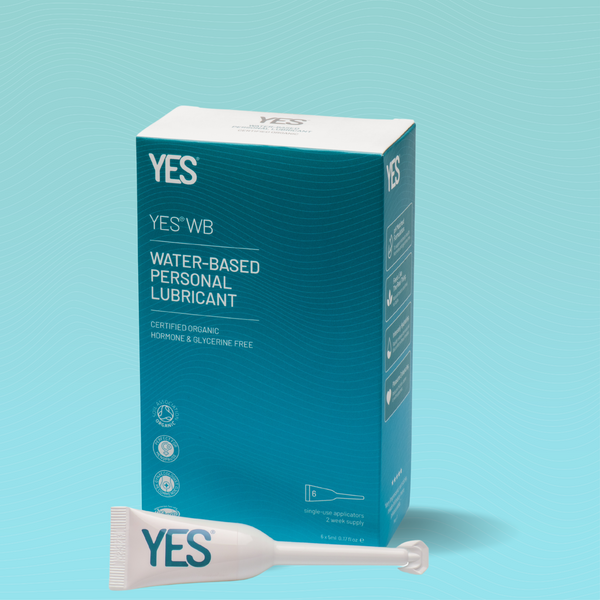
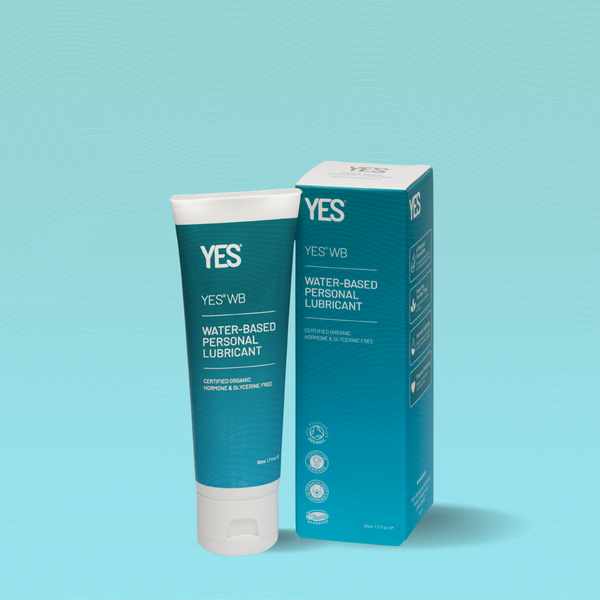
YES WB Water-Based Lubricant is pH matched and designed to mimic the body’s natural moisture, helping to reduce friction while supporting intimate comfort.
For too long, many symptoms associated with menopause and vaginal dryness were dismissed as something women simply had to live with.
But women are increasingly demanding better information, better products and better conversations around their health.
And rightly so.
At YES, we hear from women every day who tell us that finding the right support has transformed their comfort, confidence and quality of life. Many describe finally feeling like themselves again. That emotional impact is one of the strongest themes that emerges from our customer feedback.
Because intimate health isn’t just about symptoms.
It’s about being able to exercise comfortably. Sleep comfortably. Sit comfortably. Enjoy intimacy comfortably. And move through life without constantly thinking about discomfort.
Intimate skincare isn’t a trend.
It’s simply a more informed way of caring for an important part of your body.
Whether that’s using a gentle cleanser, supporting vaginal moisture, reducing friction during intimacy, or seeking medical advice when symptoms persist, caring for intimate tissues is a normal and valuable part of overall wellbeing.
Because comfort shouldn’t be a luxury.
And women deserve science that understands their bodies.
Read more about the changes your body goes through during peri menopause and post menopause.
 All Blogs
 All Blogs
 All Blogs


