
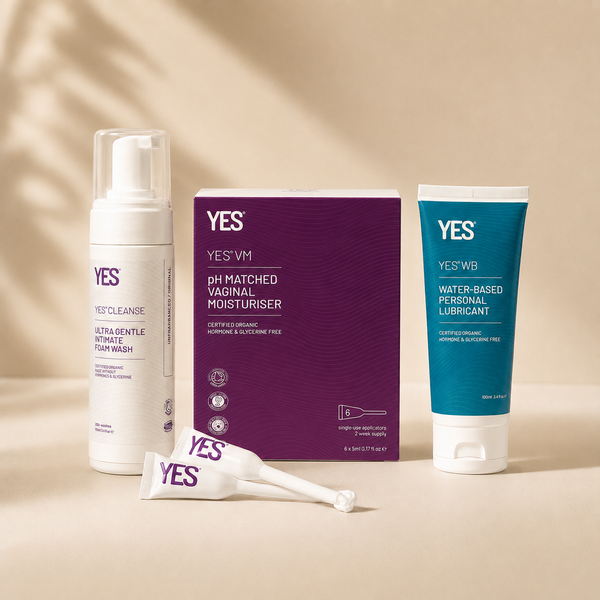
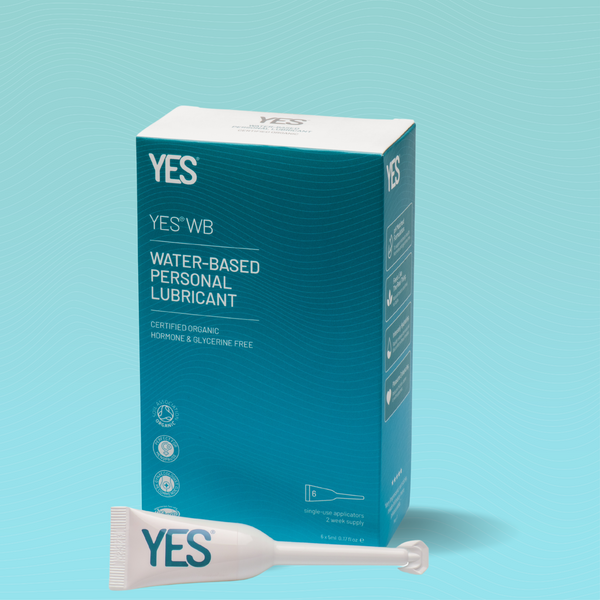
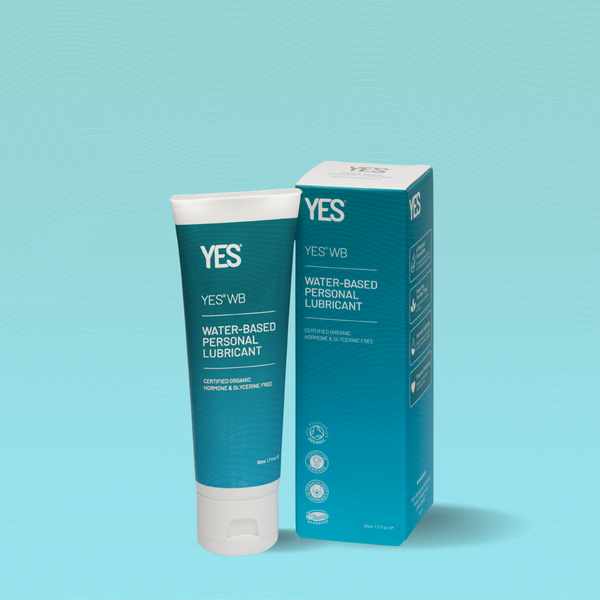

WB Water-Based Lubricant Tube
Select Tube Size:
FREE UK Shipping on orders over £40

Have a discount code? Add it in the next step.
4.8/5 based on 1,630 reviews
This Sunday marks National Orgasm Day, a celebration of sexual climax that raises awareness for issues surrounding orgasms, and sexual inequality. For instance, the orgasm gap between men and women – a recent study found that 20% of women said they don’t orgasm during sex, compared to only 2% of men [1].
The female orgasm is extraordinary, and there are many different ways to feel one. But did you know that orgasms have numerous health benefits and can physically change your body?
We want to celebrate this by answering your frequently asked questions on the female orgasm!
We’ve also got a special offer to help you invoke the sensation…
Every woman experiences an orgasm in her own way and there is also more than one type of female orgasm. In fact, some women won’t even know they’ve experienced an orgasm. However, the vast majority of orgasms will be accompanied by an intense feeling of pleasure.
The female orgasm, on average, lasts around 13-51 seconds. This is longer than the typical male orgasm, which lasts for 6 seconds on average.
During a female orgasm, the body goes through several changes. Your heart might beat faster, and your breathing may become heavier.
If you experience a vaginal or clitoral orgasm, the vagina, uterus, and anus contract rapidly, 3-15 times for 0.8 seconds at a time. Some women ejaculate during their orgasm. When this happens, a clear fluid leaves the Skene’s glands, located close to the urethra.
As you approach orgasm, your heart rate increases, and your genitals swell with blood. You will start to build a significant amount of muscle tension throughout your body. Once you reach orgasm, the muscles in your vagina, anus, and uterus involuntarily contract and then relax, while your brain releases feel-good hormones and chemicals including dopamine and oxytocin.
If you’re struggling to reach orgasm, using lube might help. According to research undertaken by the Indiana University’s Centre for Sexual Health Promotion, nearly 50% of men and women said that using lube made it easier to have an orgasm [2].
A female orgasm can burn between 60 to 100 calories, that’s on top of the calories burnt during sex.
According to the International Society for Sexual Medicine, most women can achieve multiple orgasms. In fact, a study of 800 female college graduates found that approximately 43% reported having had multiple orgasms. However, the actual number of orgasms varies from person to person.
In general, orgasms feel similar for men and women. However, there are several key differences, including the average length of orgasms, and how long it takes to reach climax.
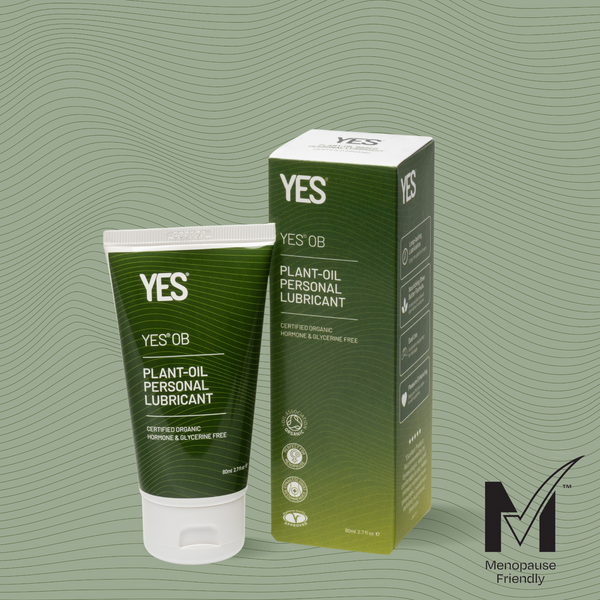
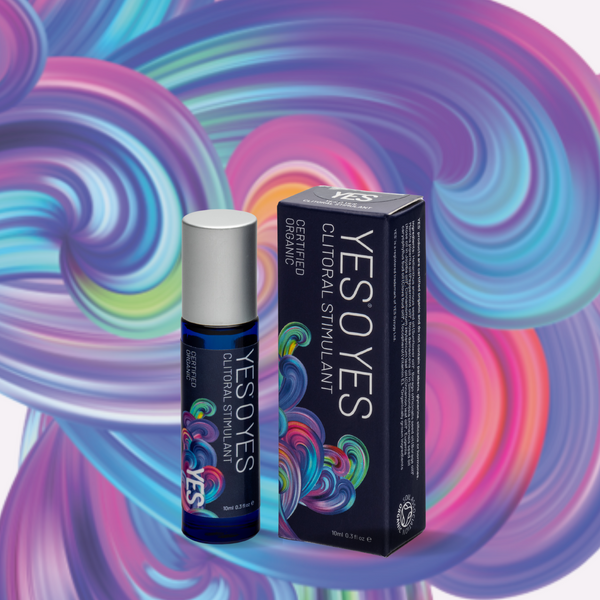
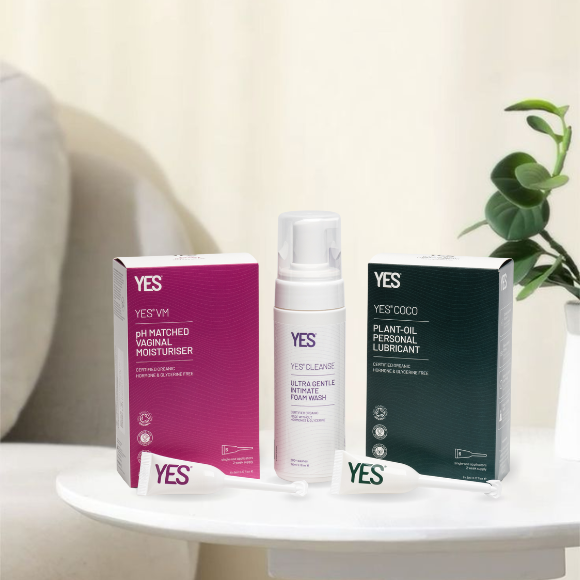
To celebrate orgasms and the feelings of pleasure they bring, we’re currently offering a free travel-sized tube of YES® OB with every YES® O YES purchase! Our natural plant oil-based lube, YES® OB, provides smooth lubrication for intimacy, and even doubles as a massage oil! Combined with our clitoral stimulant YES® O YES, it couldn’t be easier to say YES to better sex! Simply add both YES® O YES and YES® OB 40ml to your basket and enter code ‘SAYYESTOOB’ to claim.

References:
[1] https://www.durex.co.uk/blogs/explore-sex/tagged/sexual-health-advice
[2] https://www.womenshealthmag.com/sex-and-love/a19919208/female-orgasm/
Read more about the changes your body goes through during peri menopause and post menopause.


