
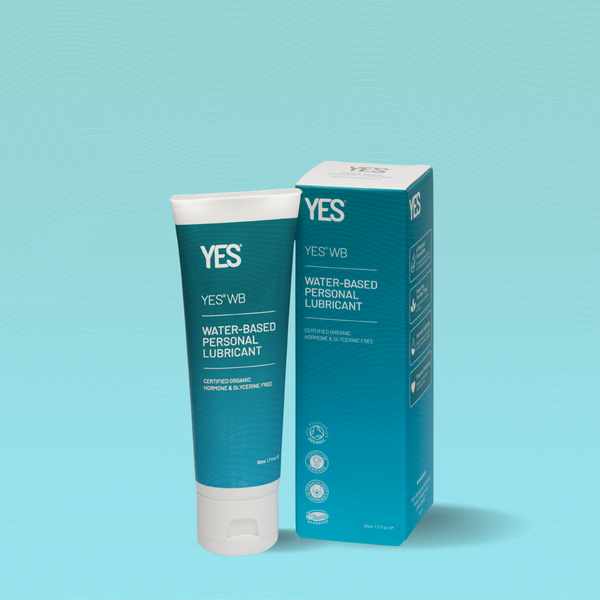

WB Water-Based Lubricant Tube
Select Tube Size:
FREE UK Shipping on orders over £40

Have a discount code? Add it in the next step.
4.8/5 based on 1,630 reviews
If you've tried a moisturiser and felt let down, the product isn't always the problem, often it's how, where or how often it's being used. Moisturisers are well supported by evidence, so before you write yours off, here are the five mistakes we see most, with the biology behind each fix.
A moisturiser hydrates the tissue gradually, so it works through regular, most-days use, not as an emergency squirt on bad days. Tissue rehydration is cumulative; reaching for it only when you're already sore means you never give it the consistency it needs to build a baseline of comfort. Aim for a steady rhythm (often two to three times a week, more if symptoms are marked).
Lubricant relieves friction in the moment; a moisturiser hydrates tissue over time. They're different tools for different jobs. If you need daily comfort, a lube alone won't get you there; if you need glide for sex, a moisturiser isn't built for that. The fix is often to use both.
The vulva is oestrogen-dependent and dries too, so if your symptoms are external, applying only internally misses where it hurts. Use enough to coat the tissue, and apply externally to the vulva as well when needed.
Meaningful tissue rehydration builds over weeks, not days. In trials, women typically assess benefit at 8–12 weeks. Give a new routine a fair, consistent run — several weeks at least — before deciding it isn't working.
Moisturiser benefits accrue with consistent use as the epithelium's hydration improves; trials commonly measure outcomes at 8–12 weeks. Sporadic application, too small a dose, internal-only use, or quitting early all undercut that cumulative effect.
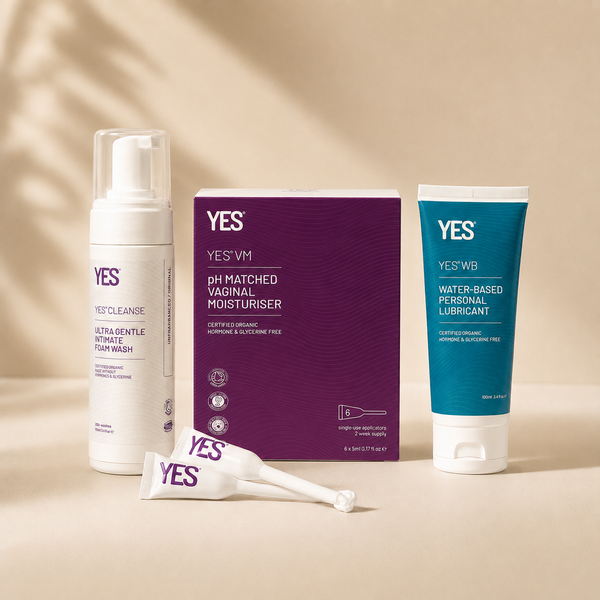
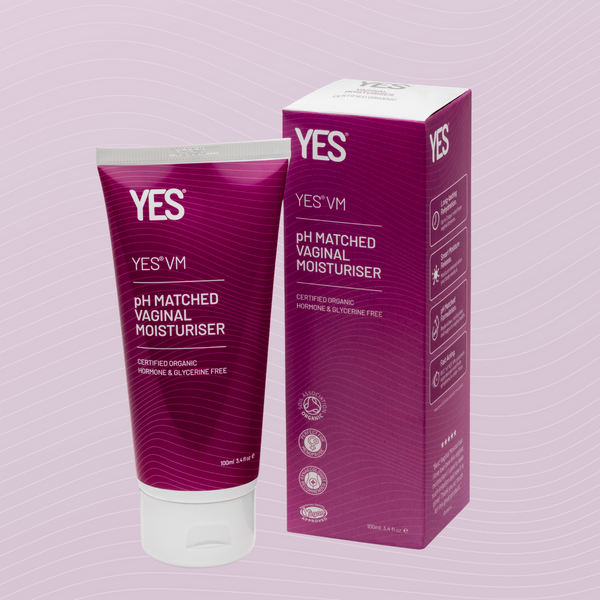
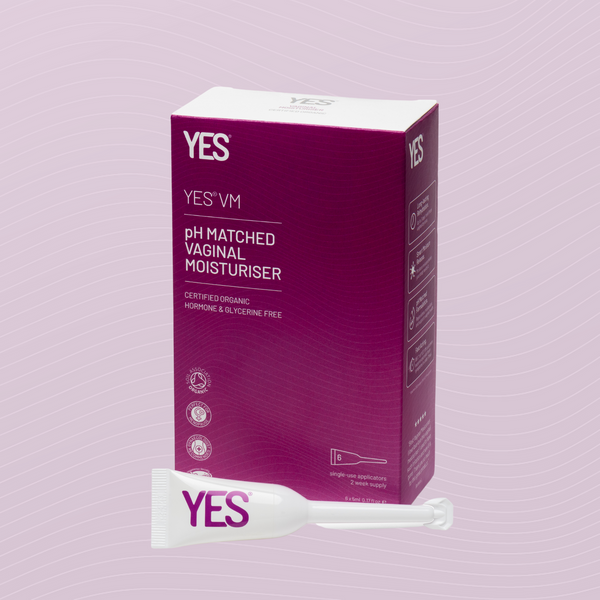
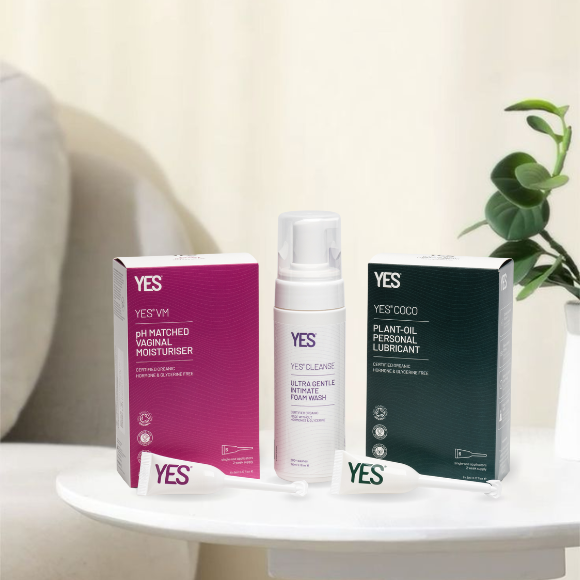
Glycerin, parabens, propylene glycol and fragrance can all aggravate sensitive tissue and undo your efforts, sometimes causing the very stinging you're trying to fix. Our Vaginal Moisturiser is pH-matched, iso-osmotic, glycerin-free and certified organic, designed to soothe rather than irritate, with a realistic timeline of regular use.
If you've been consistent for several weeks with little change, that's a useful prompt rather than a dead end. It's a good moment to speak to your GP about adding local vaginal oestrogen, vaginal DHEA or ospemifene — all of which can be combined with a moisturiser — and to rule out other causes such as a skin condition or infection.
Read more about the changes your body goes through during peri menopause and post menopause.


