
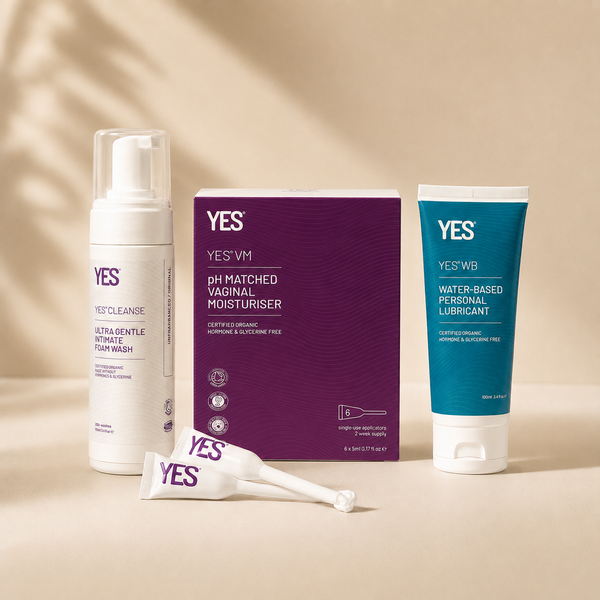
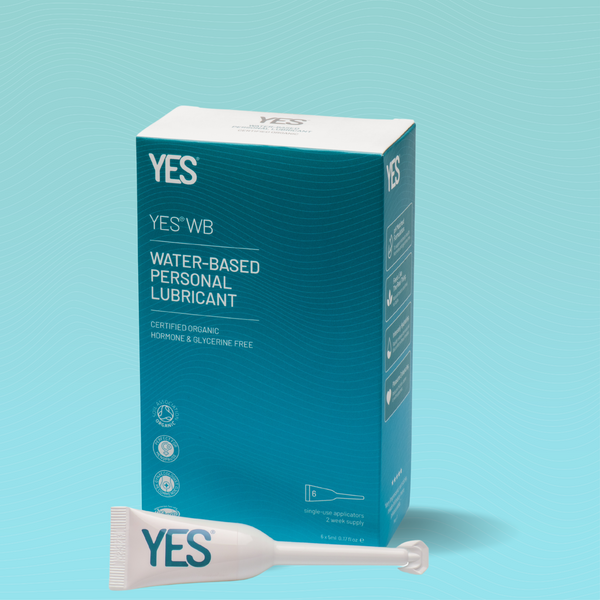
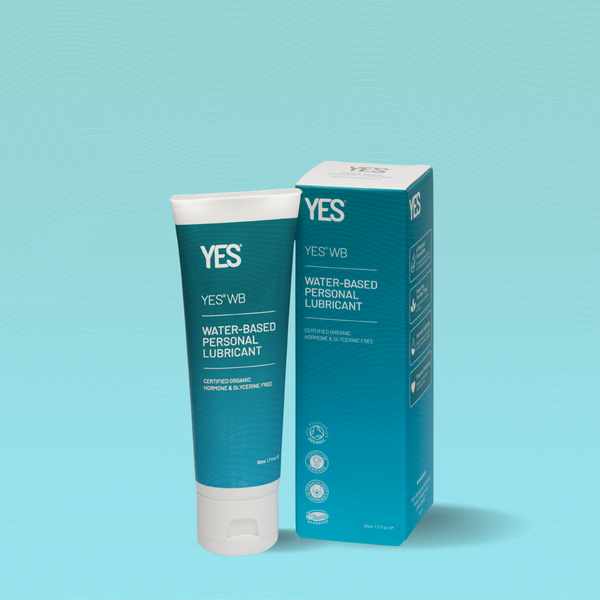

WB Water-Based Lubricant Tube
Select Tube Size:
FREE UK Shipping on orders over £40

Have a discount code? Add it in the next step.
4.8/5 based on 1,630 reviews
It's easy to assume condom compatibility stops mattering in midlife, but if condoms are part of your life, the wrong lubricant can quietly undermine your protection. A two-minute read here can save a lot of worry.
Two reasons. First, STIs don't retire when periods become irregular, protection still counts at any age, and STI rates among older adults have been rising. Second, perimenopause carries a “still possibly fertile” window: ovulation can be erratic but isn't necessarily finished, so pregnancy remains possible until you're well past your last period (commonly guided as up to two years after your last period if under 50, one year if over 50). Condoms stay relevant, and so does pairing them with the right lube.
Oil-based lubricants — and yes, that includes coconut oil, olive oil, and petroleum jelly — break down the latex in condoms, weakening the material and making failure far more likely. Oils interact with and degrade the rubber polymer. Water-based lubricants don't, which is why they're the condom-safe choice. The same applies to latex diaphragms and caps.
THE SCIENCE IN BRIEF
Oils degrade latex by breaking down its polymer structure, reducing strength and increasing breakage risk. Water-based (and silicone) lubricants are chemically compatible with latex and polyisoprene condoms.
Water-Based (WB): compatible with natural rubber latex and polyisoprene condoms, but not polyurethane
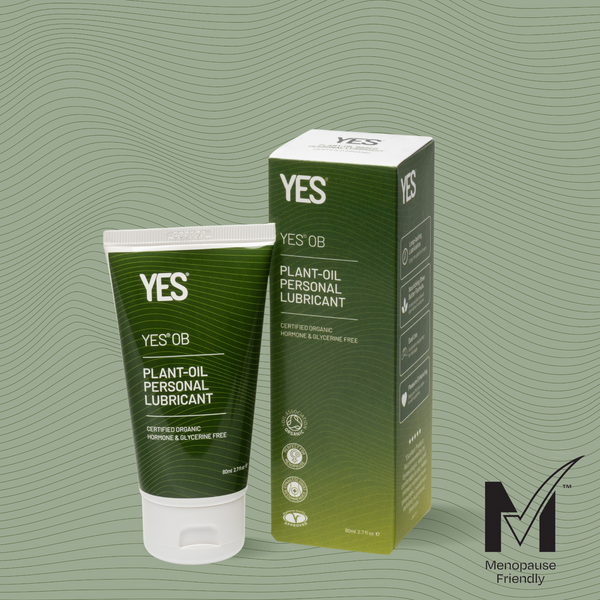
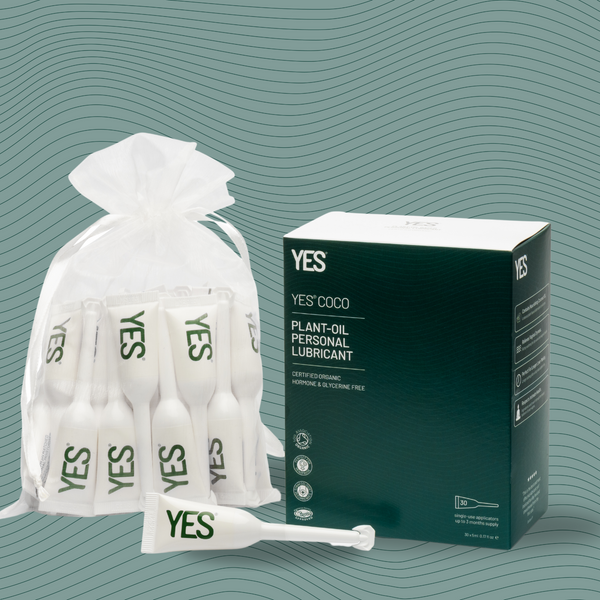
Oil-Based (OB) and Coconut (COCO): not latex-condom safe, but compatible with silicone intimate devices
Silicone toys: water-based lubricants are the safest match (some pure silicone lubricants can degrade silicone toys)
Diaphragms/caps (latex): treat like condoms, water-based only
If condoms are in the picture, reach for WB, it's water-based, iso-osmotic, pH-matched and latex/polyisoprene-compatible. If you prefer the longer-lasting feel of oil-based lubricants, pair them with non-latex protection (polyurethane condoms aren't degraded by oil, though check WB isn't your only need), or keep them for moments when condoms aren't part of it. And always check the condom packaging too, since materials vary.
When in doubt, water-based wins for condom safety. Our WB is latex- and polyisoprene-compatible, so you can choose with confidence.
Sources / further reading:
Read more about the changes your body goes through during peri menopause and post menopause.


