
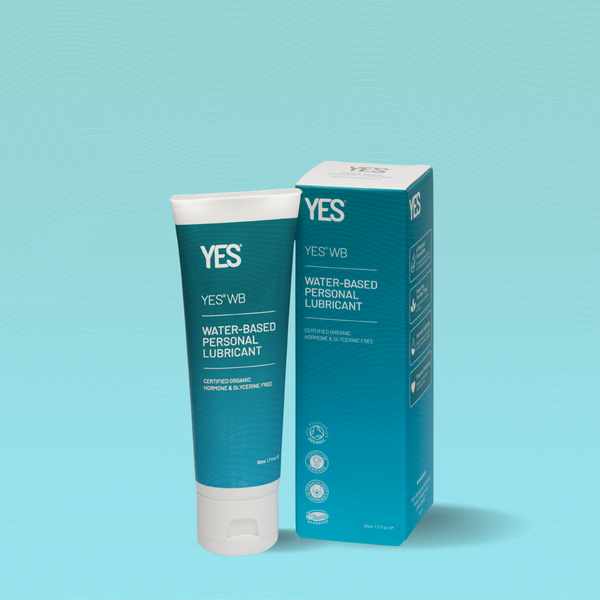

WB Water-Based Lubricant Tube
Select Tube Size:
FREE UK Shipping on orders over £40

Have a discount code? Add it in the next step.
4.8/5 based on 1,630 reviews
“pH-balanced” and “microbiome-friendly” appear on a lot of labels — but they're not just lingo. The vaginal microbiome is real, measurable, and one of the things that changes most during menopause. Understanding it makes a lot of intimate-health advice suddenly click into place.
In the reproductive years, oestrogen keeps the vaginal lining rich in glycogen. As surface cells naturally shed, that glycogen is released and becomes food for lactobacilli — the dominant “good” bacteria — which convert it into lactic acid. That lactic acid keeps the vagina slightly acidic (a healthy pH of around 3.8–4.5), and that acidity, in turn, keeps lactobacilli thriving and discourages less welcome microbes like the bacteria behind BV. It's an elegant, self-reinforcing loop, and oestrogen is what powers it.
Oestrogen → glycogen → lactobacilli → lactic acid → acidic pH (~3.8–4.5). After menopause, less oestrogen means less glycogen and fewer lactobacilli, so pH rises above ~5 and the protective loop weakens.
As oestrogen falls, glycogen drops, lactobacilli decline, and vaginal pH rises (often above 5, becoming more alkaline). Studies tracking women across the menopause transition show low-lactobacillus communities become far more common after menopause — and that shift is associated with more dryness, irritation, and a higher risk of infections such as BV and UTIs. So the dryness and the “I keep getting infections” experience genuinely share a single root cause.
Products formulated to sit close to your natural pH, and balanced to suit your tissue (iso-osmotic), support that environment rather than knocking it further off course. Harsh, fragranced, alkaline or highly concentrated products tend to do the opposite, pushing pH up and stripping the surface. (For prescription users, it's worth knowing that local vaginal oestrogen and DHEA also work partly by restoring glycogen and lowering pH — the same loop, approached hormonally.)
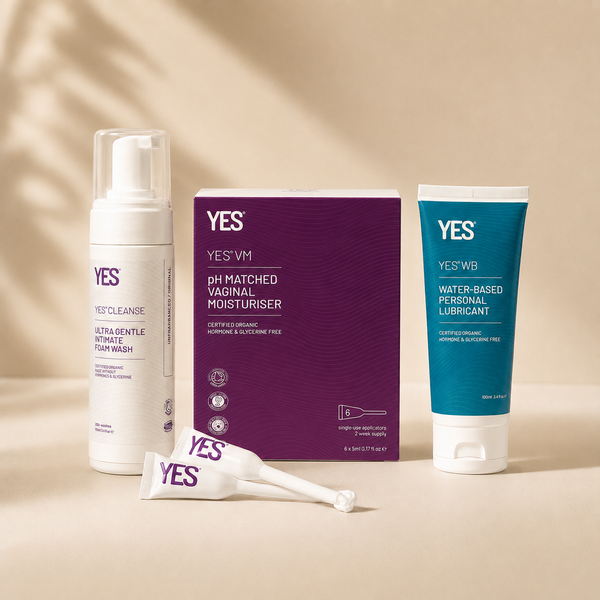
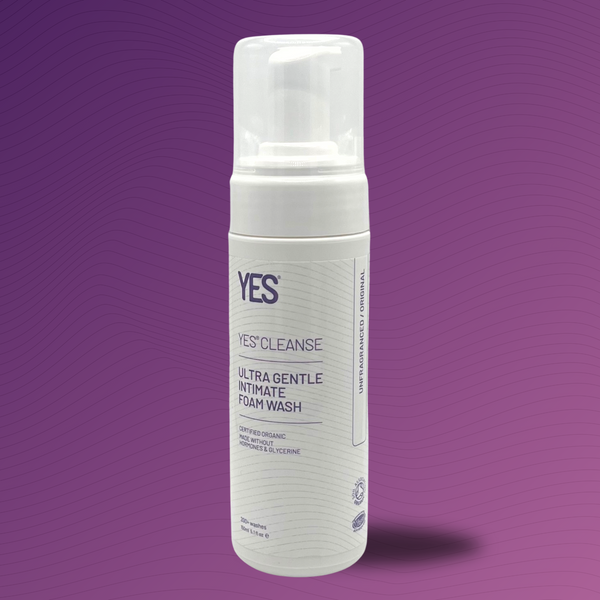
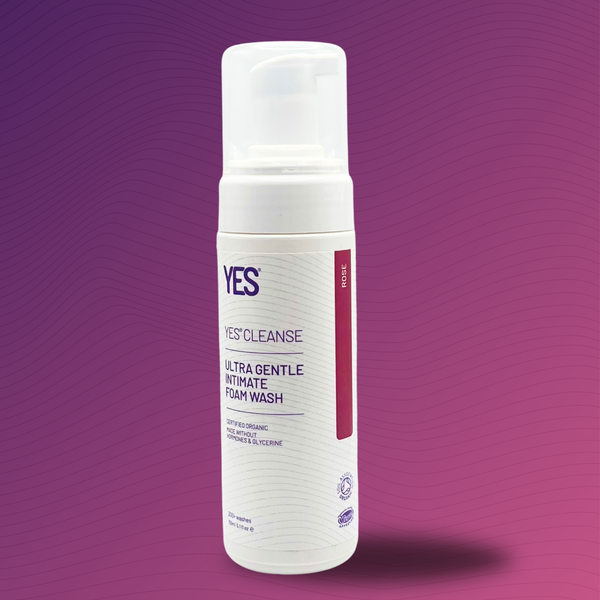
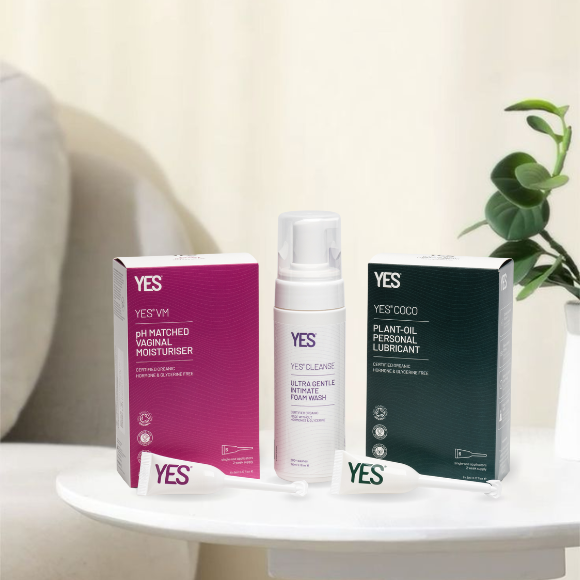
A gentle, external-only wash in place of soap — our pH-matched Intimate Foam Wash, which removes odour-causing bacteria without drying like soap
A pH-matched, iso-osmotic daily moisturiser to support hydration and balance — our Vaginal Moisturiser
Read more about the changes your body goes through during peri menopause and post menopause.


