
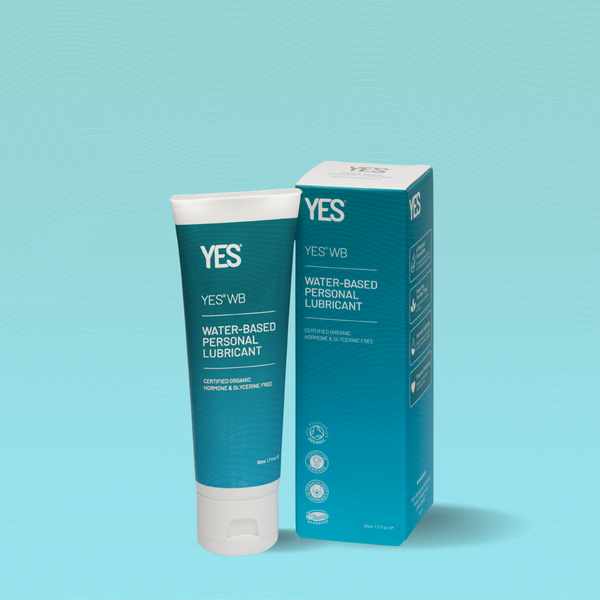

WB Water-Based Lubricant Tube

Select Tube Size:
FREE UK Shipping on orders over £40


Have a discount code? Add it in the next step.
4.8/5 based on 1,630 reviews
If you feel like you are suddenly dealing with more urinary tract infections during perimenopause or menopause, you are not imagining it.
In fact, studies suggest that more than 50% of postmenopausal women experience genitourinary symptoms linked to hormonal changes, including vaginal dryness, irritation, bladder discomfort, and recurrent UTIs.¹
And despite how common it is, many women are never told why it happens.
At YES, we believe women deserve science that feels like self-care. That means understanding what is happening in your body, not simply masking symptoms.
Oestrogen does far more than regulate periods. It also helps maintain healthy vaginal tissue, supports natural lubrication, and helps create an environment where protective bacteria can thrive.
As oestrogen levels decline during perimenopause and menopause, several changes can occur:
These changes are part of what healthcare professionals call genitourinary syndrome of menopause (GSM), a common condition associated with vaginal dryness, irritation, urinary symptoms, and discomfort during intimacy.
The vagina and urinary tract are closely connected, which means changes in one can influence the other.
When vaginal tissue becomes dry or irritated, it may become more vulnerable to discomfort and disruption. At the same time, lower levels of protective bacteria and changes in vaginal pH can make it easier for unwanted bacteria to grow.
Research shows that recurrent UTIs affect up to 30–40% of postmenopausal women, compared to much lower rates in younger women.²
Importantly, this is not about “poor hygiene” or doing something wrong. In many cases, it is a biological response to hormonal change.
Vaginal dryness is often only discussed in relation to intimacy, but dryness can affect everyday comfort too.
Dry or sensitive tissue may feel:
Supporting vaginal moisture is not simply about sex. It is about helping intimate tissue stay healthy, hydrated, and comfortable throughout daily life.
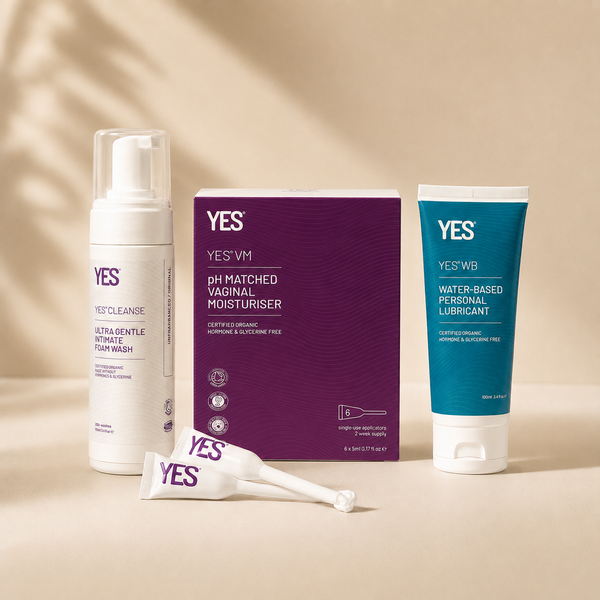
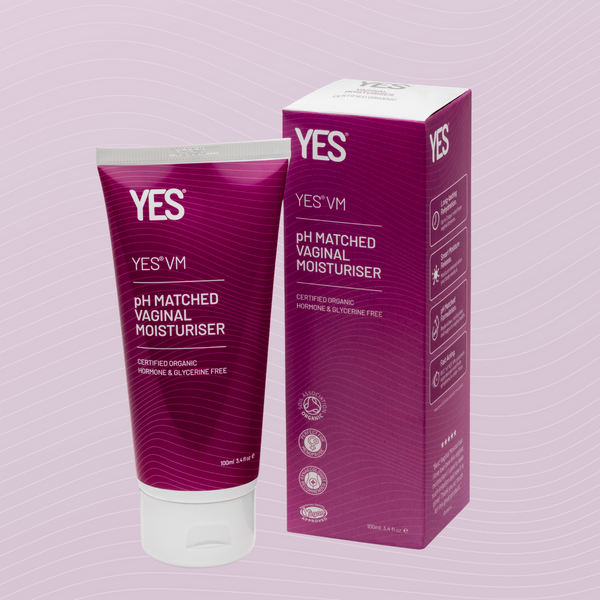
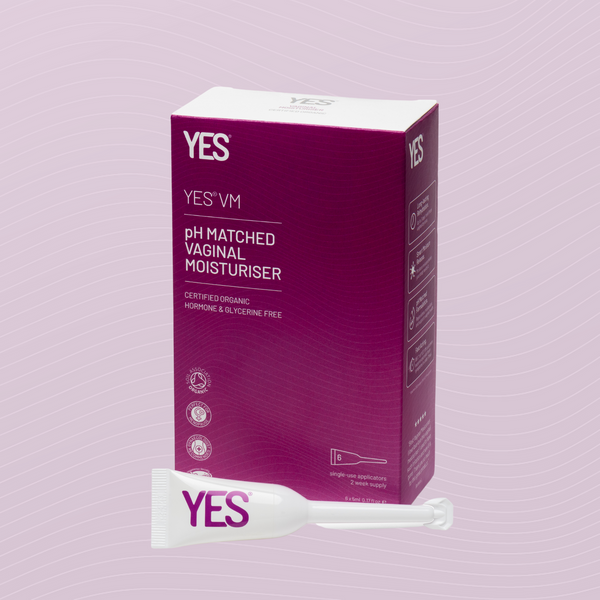
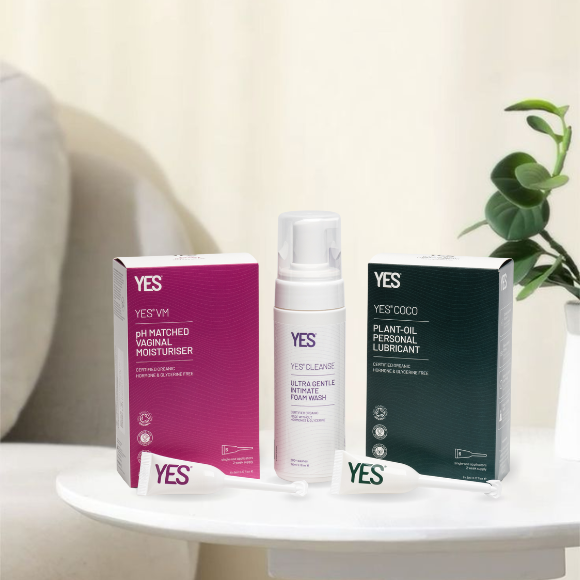
Hormone-free vaginal moisturisers can help support intimate tissue by replenishing moisture and reducing dryness-related discomfort.
YES VM was scientifically formulated to:
Unlike many conventional products, YES VM is:
For many women, consistent vaginal moisturising becomes an important part of feeling comfortable again during menopause and beyond.
Women deserve better conversations around menopause, vaginal health, and intimate wellbeing.
Research from our own customer community found that women come to YES seeking comfort, reassurance, and relief — not enhancement.
At YES, we believe intimate wellness should be treated with the same care, science, and empathy as every other aspect of health.
Because understanding your body is not indulgent. It is essential.
Recurring UTIs during menopause are incredibly common, but they should not simply be dismissed as “part of ageing”.
Supporting vaginal health will not treat an active UTI, and persistent urinary symptoms should always be discussed with a healthcare professional.
But maintaining healthy, hydrated vaginal tissue may help support comfort, resilience, and overall intimate wellbeing during perimenopause and menopause.
And importantly, it can help women feel more like themselves again.
Read more about the changes your body goes through during peri menopause and post menopause.
 All Blogs
 All Blogs
 All Blogs


