
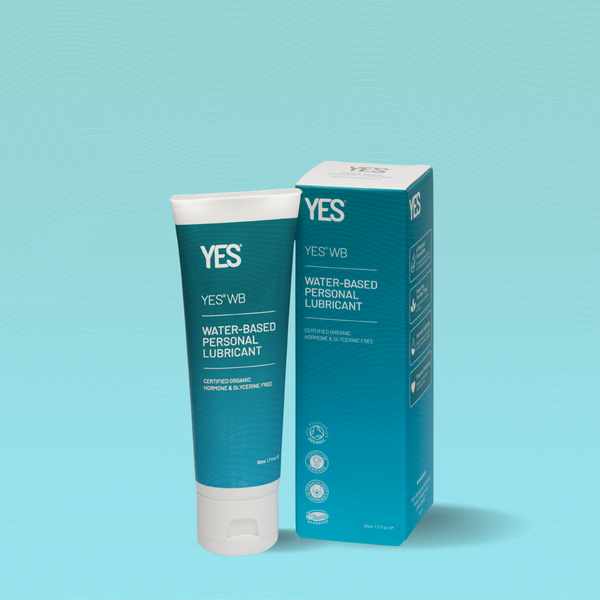

WB Water-Based Lubricant Tube

Select Tube Size:
FREE UK Shipping on orders over £40


Have a discount code? Add it in the next step.
4.8/5 based on 1,630 reviews
It's a very understandable instinct: if something feels off, wash it more. But with intimate care, more washing — and harsher washing — usually makes dryness and irritation worse, not better. Here's the biology behind why, and what to do instead.
The vagina is self-cleaning. It maintains its own slightly acidic environment thanks to lactobacilli, the protective bacteria that produce lactic acid from glycogen in the vaginal lining. That acidity (a healthy pH of around 3.8–4.5 before menopause) is part of your natural defence against irritation and infection. After menopause, that balance is already more fragile as oestrogen and lactobacilli decline — so it needs protecting, not scrubbing. The vulva (the external skin) benefits from gentle washing; the vagina itself needs nothing put inside it.
Soaps and shower gels are alkaline and strip natural oils; douching flushes out protective lactobacilli. Both push vaginal pH up and disrupt the microbiome — leaving tissue drier and more prone to BV, thrush and irritation.
Ordinary soaps and shower gels are alkaline and degreasing — they strip the natural oils and shift pH in the wrong direction. Douching goes further, flushing away the very bacteria that keep you balanced and pushing water and products up into the vagina where they don't belong. The result is often drier, more irritated tissue and a higher chance of infections like BV and thrush: precisely the opposite of the intended effect. Fragranced wipes, scented liners and even heavily perfumed laundry detergent on underwear can add contact irritation on top.
Skip soap and shower gel internally, and skip douching altogether
Wash the external vulva only, gently, once a day, with a product designed for the job
Avoid scented liners, wipes, bubble baths and heavily fragranced products
Pat dry rather than rubbing, and moisturise dry or sensitive tissue afterwards
Use fragrance-free laundry products for underwear if you're prone to irritation
Wear breathable cotton underwear and avoid sitting in damp gym kit
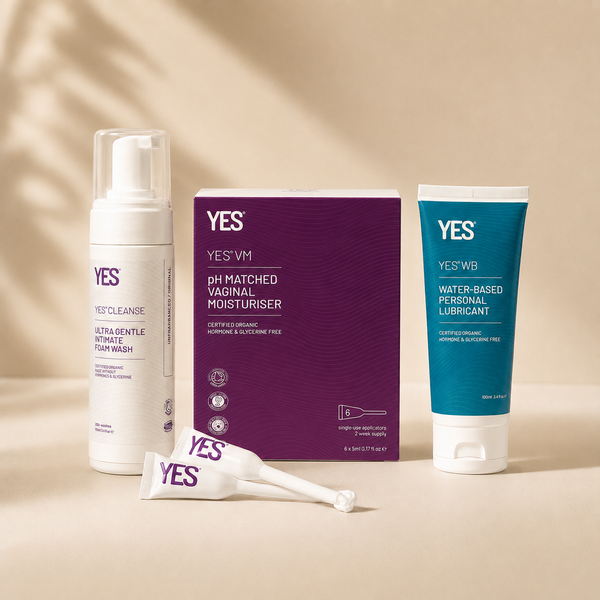
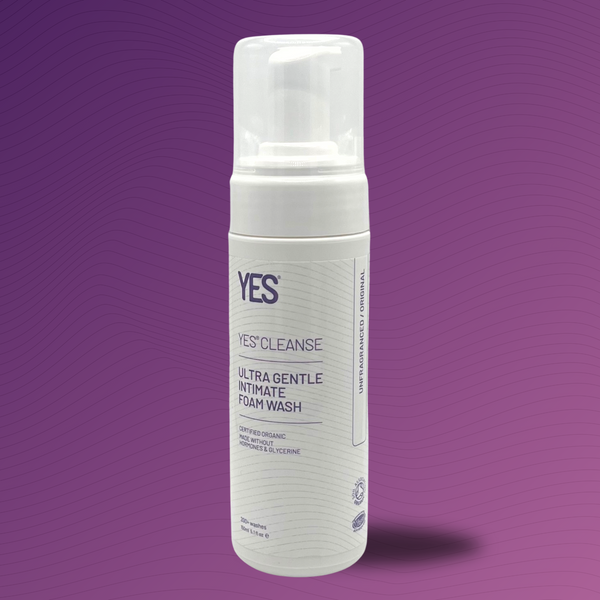
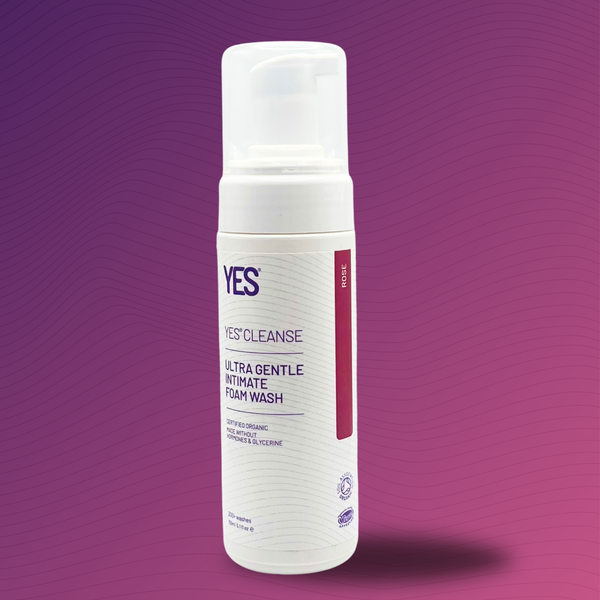
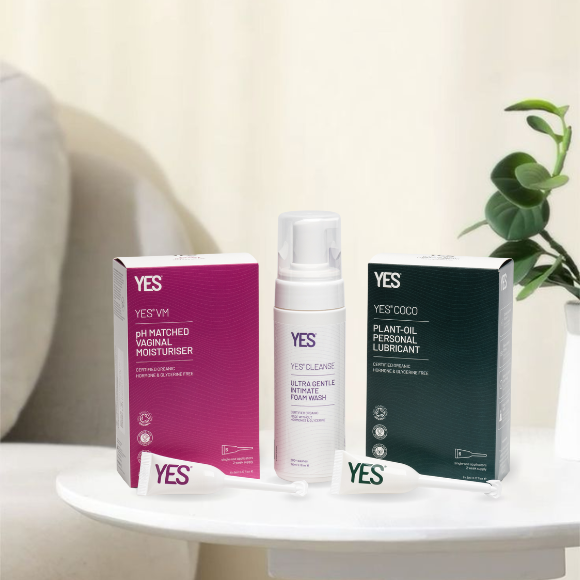
Our Intimate Foam Wash is pH-matched, formulated to minimise the risk of allergies, and made specifically for the vulva — and it's designed not to dry the skin the way ordinary soap can. One bottle gives more than 200 washes, around six months of daily use. Pair it with our daily moisturiser for a calm, two-step routine that works with your body's own balance rather than against it.
Read more about the changes your body goes through during peri menopause and post menopause.
 All Blogs
 All Blogs
 All Blogs


