
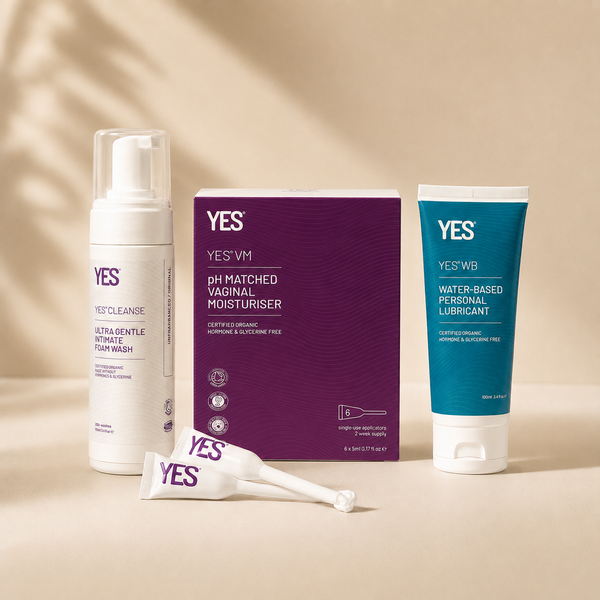
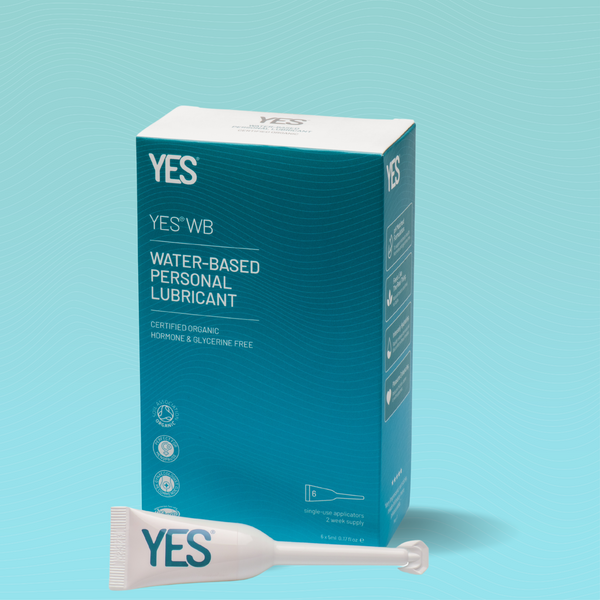
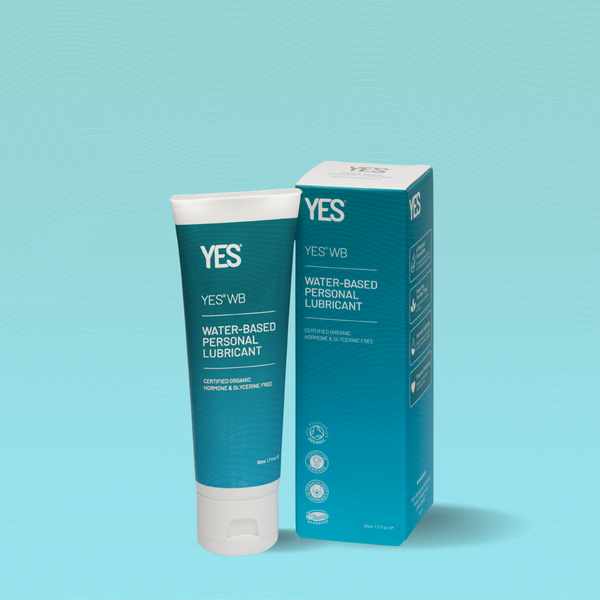
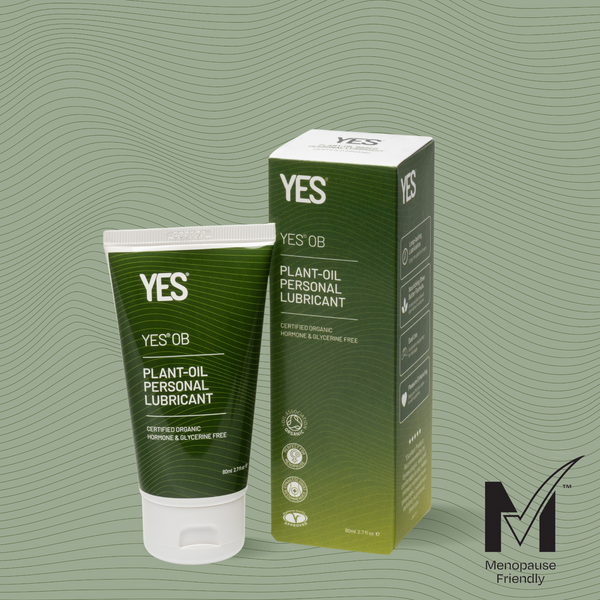
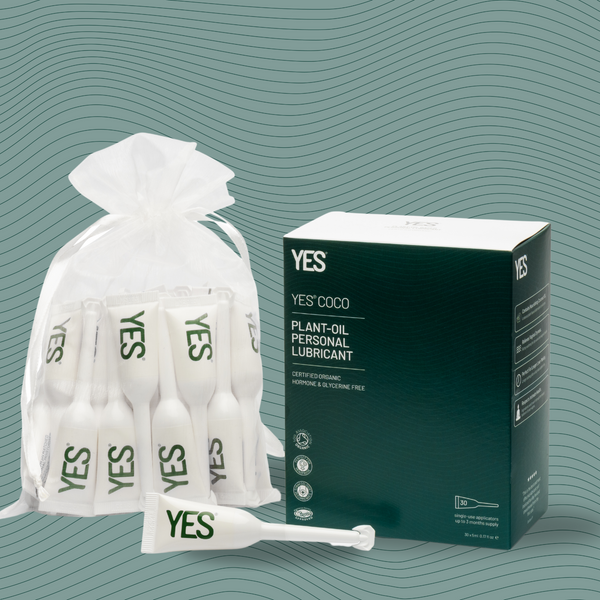

WB Water-Based Lubricant Tube

Select Tube Size:
FREE UK Shipping on orders over £40


Have a discount code? Add it in the next step.
4.8/5 based on 1,630 reviews
This article was developed in collaboration with Dr Angela Wright, BMS Registered Menopause Specialist & Specialist in Sexual Medicine & Psychosexual and Relationship Therapist, to ensure it reflects current evidence and best practice in menopause and sexual health.
“I fixed the dryness, so why don’t I want sex?”
It’s a common, confusing question, and the answer is that desire, arousal and lubrication are three different things that we tend to lump together. Untangling them helps enormously, and takes a lot of self-blame out of the picture.
The wish for intimacy, shaped by hormones (including oestrogen and testosterone), but also mood, stress, sleep, medication, body image, relationships and context.
The body’s physical response — increased blood flow and natural moisture — which can lag behind, or arrive more slowly, even when desire is present.
When sex has hurt, the body and mind learn to brace, which dampens both desire and arousal in a self-protective loop.
Discomfort is a powerful brake. If sex has been painful, wanting it less is a sensible, protective response, not a malfunction.
Easing dryness and removing the anticipation of pain often clears the path for arousal and interest to return. It doesn’t always restore desire on its own, because desire is genuinely multifactorial, but it removes one of the biggest, most fixable obstacles first.
The science in brief
Lubrication is a physical response; libido is a separate, multifactorial experience involving hormones (including testosterone), mood, medication and relationships. Easing dryness addresses arousal-related discomfort, but desire has many different influences.
Several common factors quietly affect desire and are worth discussing with a healthcare professional.
Some antidepressants (particularly SSRIs) can lower libido and arousal. Poor sleep and ongoing stress are also significant contributors. Testosterone, while not licensed for this indication everywhere, may be considered by menopause specialists for women with persistent low sexual desire once other causes have been explored.
The important thing to remember is that low libido is rarely “all in your head”, and it’s rarely caused by just one thing.
This is the question that matters most to many women, particularly after cancer treatment or a sudden menopause. The dryness and pain are finally under control — so how do you actually rebuild desire?
The honest answer is that it usually returns gradually, and rarely through force of will.
What helps is removing pressure and rebuilding positive associations: unhurried, low-pressure intimacy with no expectation of where it “should” lead; broadening what counts as sex beyond penetration; choosing moments when you’re rested rather than exhausted; and addressing the other influences such as stress, sleep, medication and emotional connection with your partner.
For many people, desire is responsive rather than spontaneous. Rather than appearing before intimacy begins, it often develops once intimacy is already underway. Creating the right, unpressured conditions tends to be far more effective than waiting to simply “feel like it”.
If desire remains low once physical comfort has returned, it’s entirely reasonable to seek support from a psychosexual therapist alongside your GP or menopause specialist. They can review hormones (including testosterone), medications and any emotional or relationship factors that may be contributing. Seeking this kind of support is common and can often be the missing piece once the physical symptoms have been addressed.
“One of the biggest misconceptions about libido is that it should behave like hunger — you either feel it or you don’t. In reality, for many people, particularly women, desire is often responsive rather than spontaneous.
It’s more like walking past a bakery than having an empty stomach. You may not have realised you were hungry until the smell of fresh bread catches your attention. Likewise, we don’t always experience desire before intimacy. Sometimes it is the arousal, the affectionate touch, the emotional connection or the remembered pleasure that awakens desire.
Sexual desire is biopsychosocial: it grows when the conditions are right, and when we are willing to give it the opportunity to emerge.”
— Dr Angela Wright
BMS Registered Menopause Specialist & Specialist in Sexual Medicine & Psychosexual and Relationship Therapist
Take the pressure off. Reconnect with your body without a goal — touch, warmth, time, and broadening what “sex” means beyond penetration.
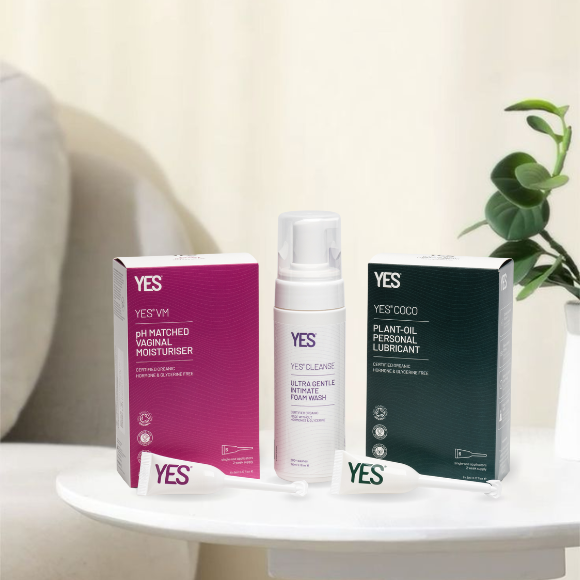
A soothing daily vaginal moisturiser and the right lubricant can remove the physical barriers to intimacy, creating space for confidence and pleasure to return.
At YES, we support the physical side honestly and evidence-first. If desire itself continues to be a concern, there’s no shame in speaking with a GP, menopause specialist or psychosexual therapist who can consider hormones, medications and other contributing factors together.
“One of the easiest ways to improve sex is also one that I think gets overlooked the most. Choosing a good lubricant can transform comfort, reduce anxiety about pain and allow people to focus on pleasure rather than friction.
You may have to try a few to find what works for you. I regularly recommend YES lubricants as a great starting point because they are gentle, well tolerated and backed by good science. YES Double Glide is often my first suggestion, as it combines a water-based lubricant with a natural oil-based one to provide immediate comfort whilst also offering longer-lasting glide.”
— Dr Angela Wright
BMS Registered Menopause Specialist & Specialist in Sexual Medicine & Psychosexual and Relationship Therapist
Dr Angela Wright is a BMS Registered Menopause Specialist & Specialist in Sexual Medicine & Psychosexual and Relationship Therapist.
She is Secretary of the British Society of Sexual Medicine, coSRH Menopause Guardian & Menopause Expert Working Group Lead, and a BMS/coSRH Menopause Trainer. She is also a Faculty Member at the Contemporary Institute of Clinical Sexology and co-author of Women’s Health Made Easy (Scion, 2026).
Qualifications: MBChB, MRCGP, DFSRH, Dip. Pall Med, DIPM Reg(COSRT), FECSM

Easing discomfort is a fair first step. Where desire is concerned, be patient and kind with yourself, there’s no single timeline.
The Menopause Society. 2020 Genitourinary Syndrome of Menopause Position Statement
StatPearls. Genitourinary Syndrome of Menopause (NCBI Bookshelf)
Read more about the changes your body goes through during peri menopause and post menopause.
 All Blogs
 All Blogs
 All Blogs


