

WB Water-Based Lubricant Tube

Select Tube Size:
FREE UK Shipping on orders over £40


Have a discount code? Add it in the next step.
4.8/5 based on 1,630 reviews
“What's the difference, and which one do I actually need?” It's the question asked more than any other, and the confusion is completely understandable, because all three sit on the same shelf and promise comfort. But they work in different ways, on different timescales, and the most effective routines often use more than one. Here's the clear version.
The simplest way to understand them is by what they're trying to do and how long they act for.
Lubricant reduces friction in the moment, primarily for sex. It coats the surface so things glide; it is not designed to treat ongoing dryness, and the effect lasts only as long as it's on. Water-based feels most natural and is condom-compatible; oil-based lasts longer and feels richer.
Moisturiser hydrates the tissue itself over time. Used regularly, most days, it helps the vaginal lining hold onto moisture, easing day-to-day dryness rather than just the moment of intimacy. Think of it as skincare for delicate tissue.
Vaginal oestrogen is a low-dose prescription treatment applied locally as a cream, pessary/tablet or ring. It works at the source by topping up oestrogen in the tissue, which over weeks helps restore thickness, elasticity, natural lubrication and a healthier pH. It is low-dose and acts mainly where it's applied.
THE SCIENCE IN BRIEF
Lubricants act on the surface for minutes; moisturisers hydrate tissue over days of regular use; vaginal oestrogen treats the underlying tissue change over weeks. They address different layers of the same problem, and can be combined.
Two more belong on the map, in case your clinician mentions them. Vaginal DHEA (prasterone) is a daily pessary that the body converts locally to small amounts of hormones; oral ospemifene is a daily tablet that acts on oestrogen receptors in vaginal tissue. A 2024 systematic review in the Annals of Internal Medicine found vaginal oestrogen, vaginal DHEA, oral ospemifene and vaginal moisturisers all improved symptoms, with DHEA and ospemifene showing particularly consistent benefit. The point isn't that one is universally “best”, it's that you have a genuine menu of options.
These options are complementary, not competing. A hormone-free moisturiser plus the right lubricant suits anyone who can't use, or would rather avoid, hormones — and both can sit comfortably alongside prescribed vaginal oestrogen. In fact, there's no contraindication to using lubricants and moisturisers alongside systemic or topical estrogen. Clinical guidance commonly describes non-hormonal moisturisers and lubricants as first-line, with vaginal oestrogen or the non-estrogen options added when symptoms persist. Layering is normal, and the right combination is simply the one that fits your body and your preferences.
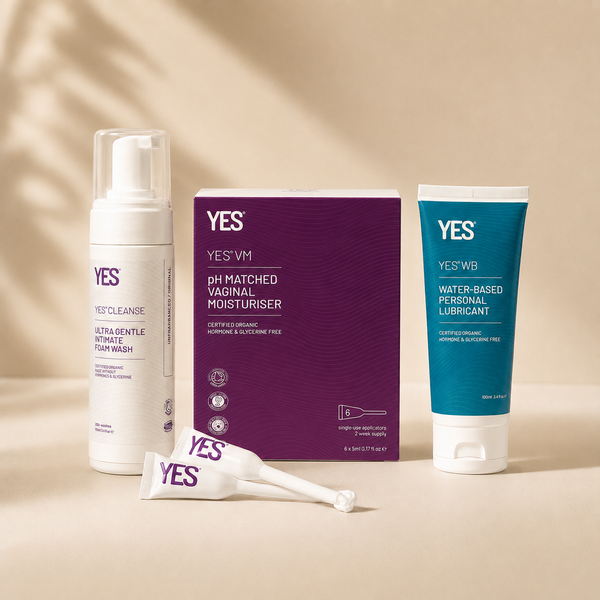
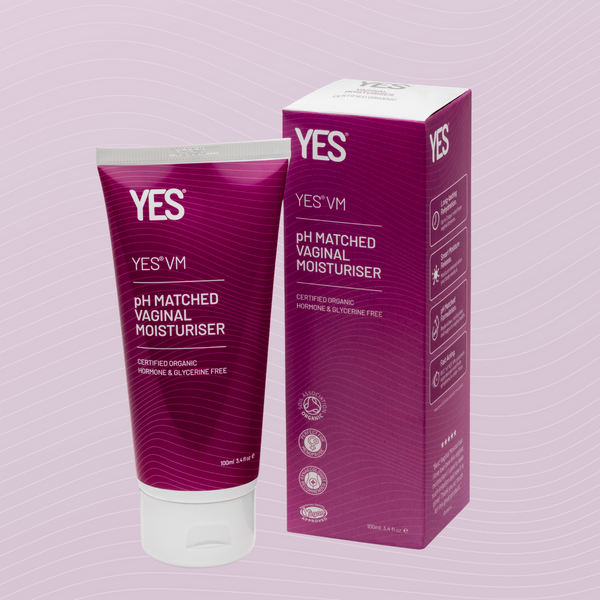
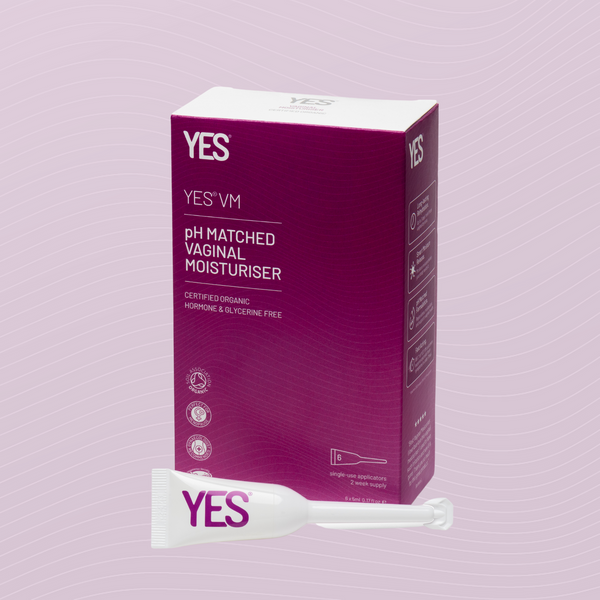
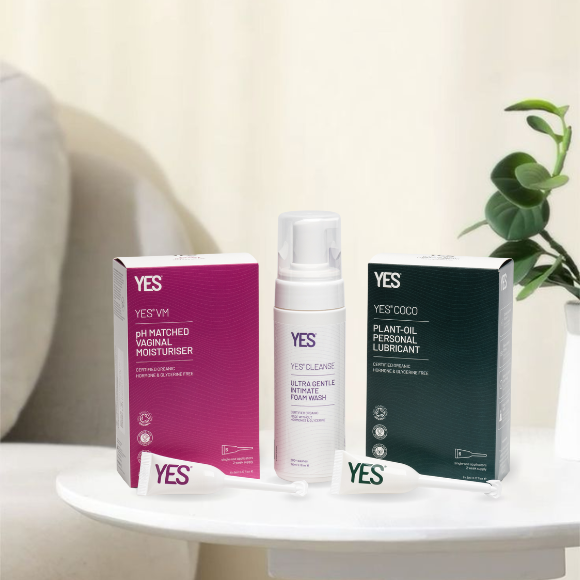
Daily tissue hydration: Vaginal Moisturiser (VM) — pH-matched, iso-osmotic, hormone-free, for most-days use
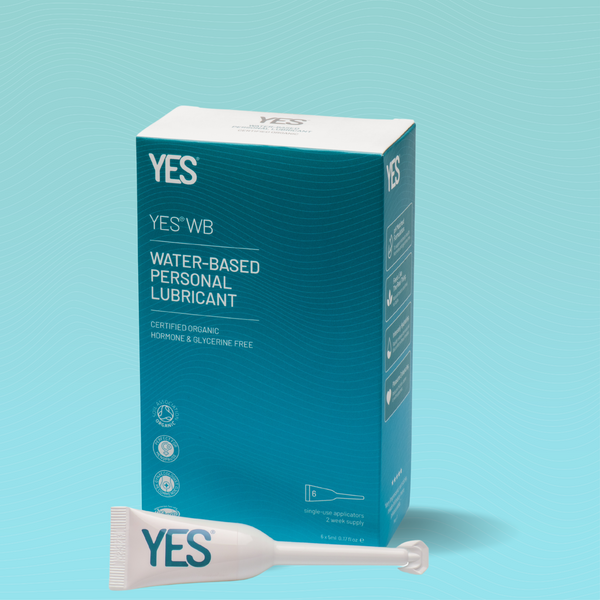
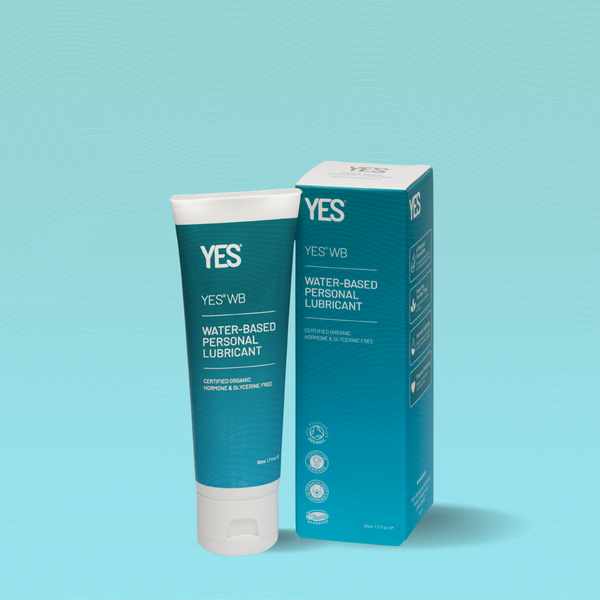
A natural feel for intimacy: Water-Based Lubricant (WB) — also pH-matched and iso-osmotic, fast-acting, and compatible with natural rubber latex and polyisoprene condoms (not polyurethane)
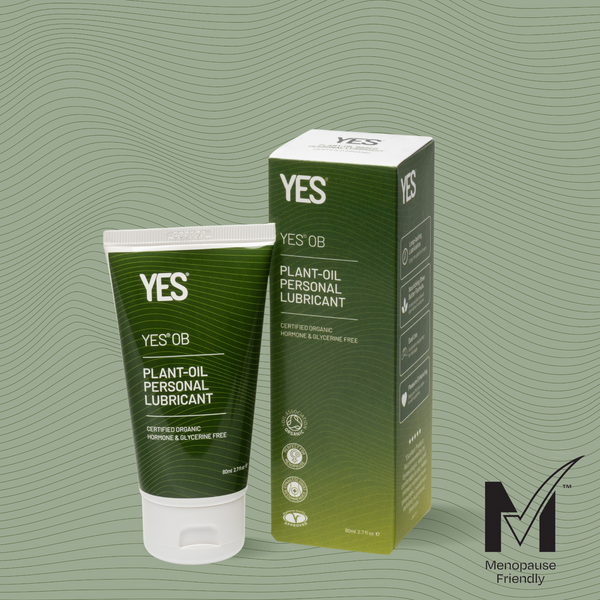
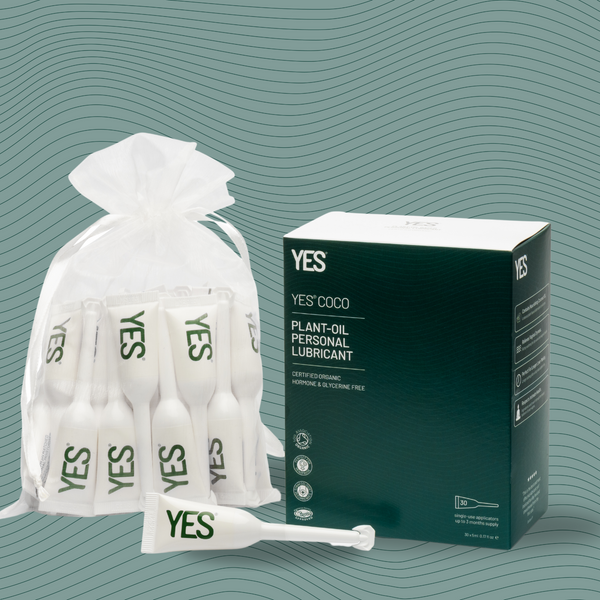
Longer-lasting, richer glide: Plant Oil-Based (OB, shea & cocoa butter) and Coconut Oil-Based (COCO, coconut & jojoba) — nourishing and long-lasting, compatible with silicone toys, but not latex-condom safe
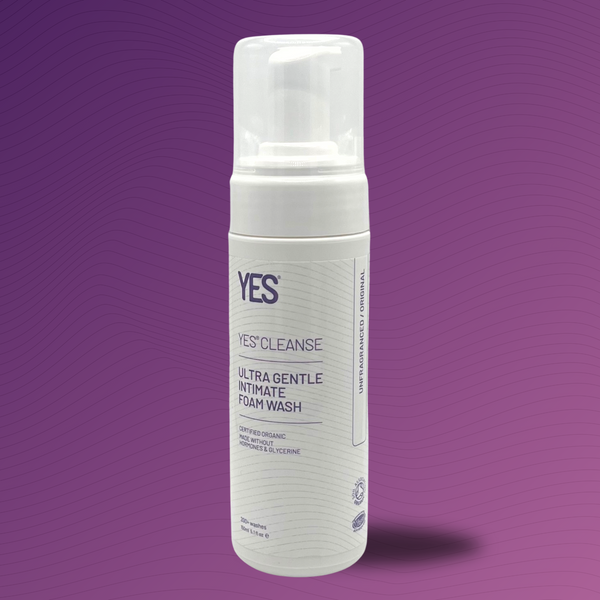
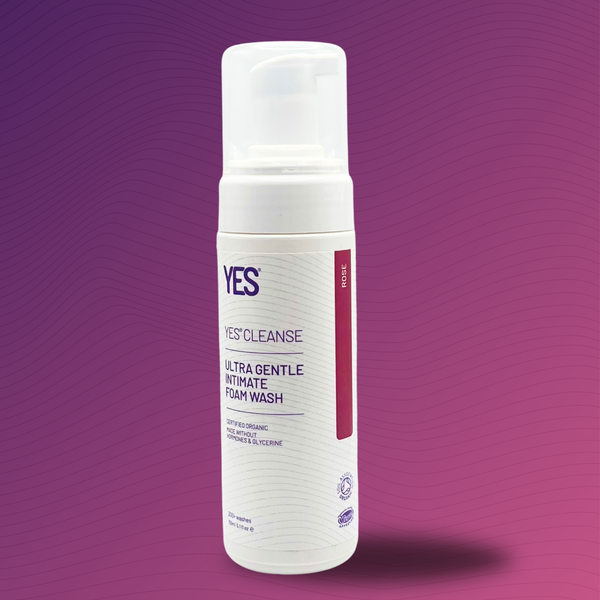
Gentle external cleansing: Intimate Foam Wash — pH-matched, made for the vulva, doesn't dry like soap
Dry most days, regardless of sex? You want a moisturiser. Comfortable day to day but need help during intimacy? You want a lubricant. On HRT but still dry? You likely need local care too. Symptoms not responding to either, or getting worse? That's the conversation to have with your GP about vaginal oestrogen, DHEA or ospemifene — alongside, not instead of, the others.
Sources / further reading:
Read more about the changes your body goes through during peri menopause and post menopause.
 All Blogs
 All Blogs
 All Blogs


