Does the thought of talking to your friends, partner or doctor about sex make you squirm? For many of us, turning to the internet to find answers has become second nature. Whilst we fully encourage open conversations about sex with trusted peers and certainly your healthcare professionals, we’ve put together some of the most asked questions about lube to help curb your curiosity.
1. Does lube make sex better?
Lubricants are designed to make sex feel better. In fact, studies show that over 65% of women and 70% of men used lubricants to make sex more comfortable and pleasurable [1].
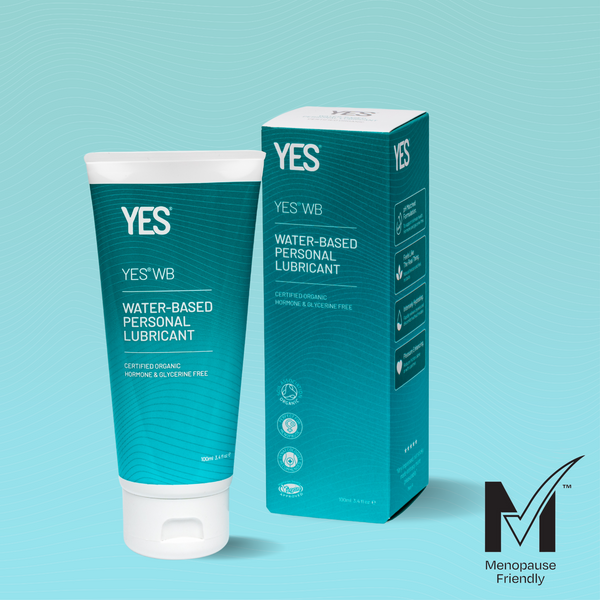
Lube can enhance pleasure, ease friction and alleviate discomfort or pain you might feel due to lack of moisture in your vagina. Water-based lubricants should feel just like your body’s natural moisture. It’s best to find ones that won’t leave any sticky residue and that won’t irritate your intimate tissues – check out YES® WB for a certified organic option designed to feel totally natural. Oil-based lubricants (like certified organic YES® OB) can create a buttery glide as well as a protective seal over your skin. Even better? Water-based and oil-based can be used in tandem for ultimate pleasure, protection and comfort!
2. Can I be too wet during sex?
The real question is, can I be too dry during sex – and the answer is a resounding YES. A wet vagina during sex is your body’s natural response to arousal. Hormonal imbalances, medical conditions and lifestyle choices can mean your body doesn’t produce enough moisture leading to the unwanted effects of vaginal dryness. This is where vaginal moisturisers and/or lubricants can become your secret pleasure weapon. In our view – the wetter your vagina, the better! Read more about vaginal dryness here.
3. Can I masturbate with lube?
Most of us are familiar with the (many!) benefits of masturbating. Adding lube into the mix can do wonders for both comfort and pleasure. If you opt for using toys, make sure the lube you choose is toy compatible. YES® WB is a great choice for solo pleasure. It can be used with all toys: including metal, wooden, plastic, glass, and even silicone because our water-based products do not contain silicone or mineral oils. If you prefer hand play, try plant oil-based YES® OB for a nourishing, water-resistant option.
Always check the label when deciding what lubricant is right for you.
Menopause and lube
4. What lube is best for sex after menopause?
Many women turn to lube during perimenopause and beyond. This is because vaginal dryness (caused by hormonal changes) is so common during midlife. See our menopause and dryness page here for a deep dive into menopausal dryness, its causes, and treatments.
Choosing the right lube during menopause is part personal preference, and part tuning in to what your body needs. If vaginal dryness is your main cause for concern, water-based lubricants work quickly to rehydrate vaginal and vulval tissues. You may want to try a vaginal moisturiser which can be used daily to keep dryness and irritation at bay. Oil-based lubricants don’t rehydrate, but they do soothe and act as a protective emollient over the skin to help reduce risk of injury during sex.
5. Are silicone lubricants ok for menopause?
Whether or not silicone lubricants are ok for menopause is up for debate. Silicone lubricants are not absorbed or broken down by our body, so they provide a long-lasting lubrication, which often needs to be washed off after use for comfort and skin health. They cannot rehydrate dry tissues as they contain no water. They can however make a hydrophobic (water-hating) seal over the skin so whilst they can lock in moisture, they can also lock in dirt and bacteria. In our view, it’s best to stick to natural, water-based products if you are suffering from vaginal dryness during menopause.
Pregnancy and lube
6. Can using lube during pregnancy increase infections?
Most lubricants won’t, some lubricants may increase your risk of infection. This is not just confined to pregnancy. Some ingredients present in certain lubricants have been shown to increase your risk of infection at any stage of life. You’ll want to find lubricants that are pH-matched if you’re opting for water-based lubes. A disruption to vagina pH can leave you vulnerable to infections and STD’s. It’s best to avoid ingredients like glycerine, hormones (unless prescribed), parabens and harsh fragrances. View our range of natural, pH-matched lubricants here.
7. Can you use lube during pregnancy?
Sex during pregnancy is considered safe in uncomplicated pregnancies if your doctor or midwife hasn’t advised otherwise. Using lube during pregnancy is a great option, particularly if you’re experiencing any vaginal dryness due to hormonal changes, or if you’re experiencing discomfort in your vagina. Make sure you are choosing the best and most natural ingredients during pregnancy. See our ingredients policy here for more information about ingredients.
8. Does using lube prevent pregnancy?
Lubricant is not contraception; in fact, some lubricants (particularly oil-based lubricants) can damage condoms. If you’re using condoms, stick to water-based lubricants that are labelled condom compatible. Spermicide shouldn’t be confused with lube; it’s a type of contraception that kills sperm and stops them from moving. Spermicide comes in the form of creams, gels, foams, and suppositories which are inserted into the vagina [2].
If you are actively trying to get pregnant, it’s best to speak to your healthcare provider or gynaecologist about the use of lubricant. The NHS recommends avoiding certain lubricants such as KY jelly, Durex Play or Astroglide which are toxic to sperm and will reduce your chances of conception [3]. But that’s not to say that all lubricants are off the cards, many couples use natural lubricants during their fertility journeys without any cause for concern.
Additional resources:
References:
[1] UNFPA
[2] Lloyds Pharmacy
[3] NHS



 All Blogs


