

WB Water-Based Lubricant Tube

Select Tube Size:
FREE UK Shipping on orders over £40


Have a discount code? Add it in the next step.
4.8/5 based on 1,630 reviews
Menopause is a big change in a woman’s life, bringing along various physical and emotional shifts. Understanding these changes, and how they affect sexual health and pleasure, is key to maintaining intimacy and feeling comfortable in your body.
As oestrogen levels decline, many women notice changes to vaginal moisture, sensation, arousal, and comfort. At the same time, symptoms such as poor sleep, anxiety, stress, and changes in confidence can also affect desire and intimacy.
While these experiences are common, they are often not talked about enough. Understanding why they happen is the first step towards finding solutions that can help support comfort, confidence, and pleasure throughout menopause.
During menopause, oestrogen levels naturally decline. This hormone plays an important role in maintaining the health, elasticity, and moisture of vaginal tissues.
As levels fall, many women experience changes that can affect comfort and sexual enjoyment.
One of the most common menopause symptoms is vaginal dryness. Less natural lubrication can make intimacy feel uncomfortable, cause friction during sex, and leave vaginal tissues feeling irritated or sensitive.
Lower oestrogen levels can cause vaginal tissues to become thinner, less elastic, and more fragile. Some women describe feelings of tightness or discomfort, while others notice that sex simply feels different than it used to.
Changes in blood flow and tissue health can sometimes affect sexual sensation, making arousal or orgasm more difficult for some women.
Menopause can alter the vaginal environment and pH balance, which may increase susceptibility to irritation, thrush, and other vaginal infections.
Sexual wellbeing isn’t just physical.
Menopause can coincide with changes in confidence, mood, sleep quality, stress levels, and body image. Feeling exhausted, anxious, or disconnected from your body can naturally affect desire and intimacy.
When vaginal dryness or friction becomes a barrier to pleasure, the right lubricant can make a significant difference.
Ingredients matter.
Many conventional lubricants contain glycerine, glycols, fragrances, parabens, or other ingredients that may irritate sensitive tissues.
Instead, look for products that are pH-matched, gentle, and designed specifically for intimate use.
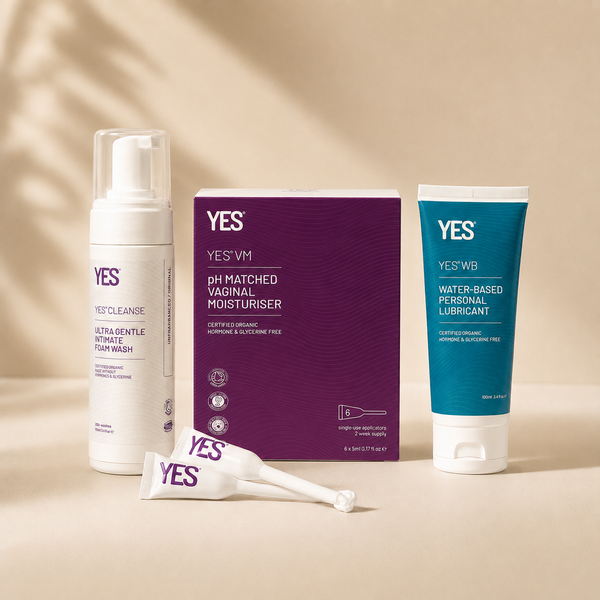
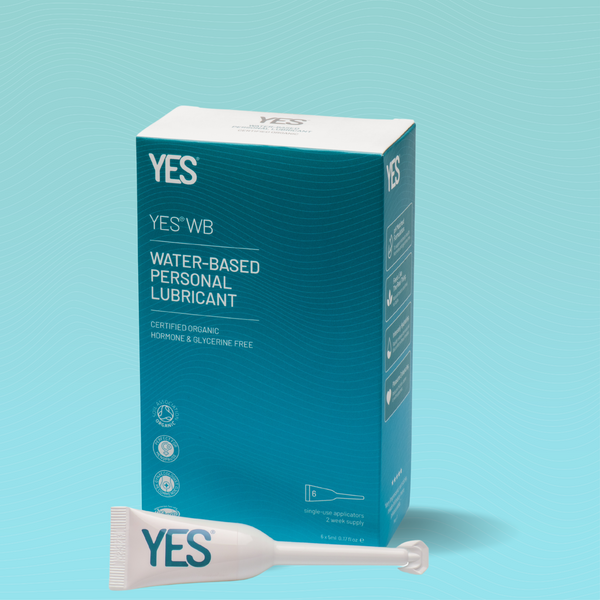
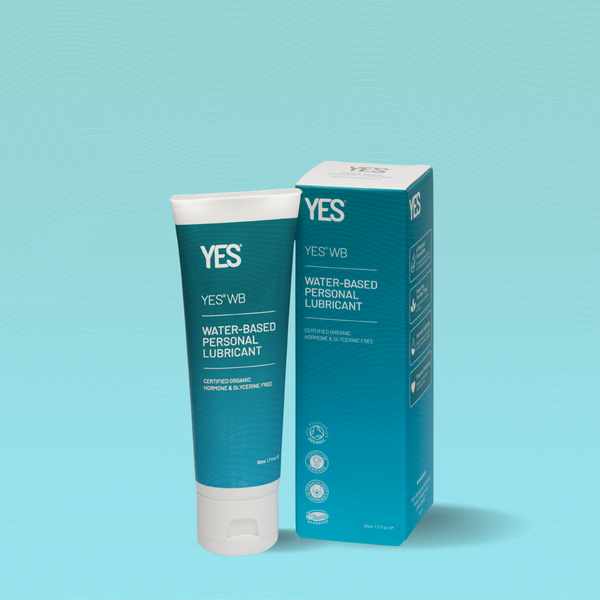
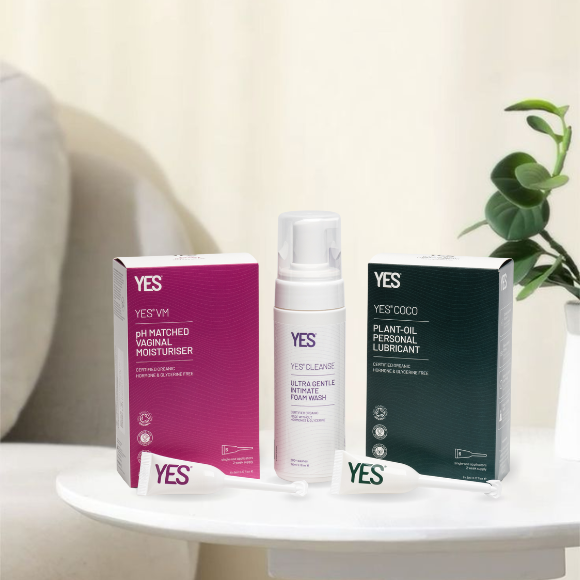
YES WB Water-Based Lubricant is ideal for women looking for lightweight, natural-feeling hydration that mimics the body’s own moisture. It’s pH matched, condom compatible, and helps reduce friction during intimacy.
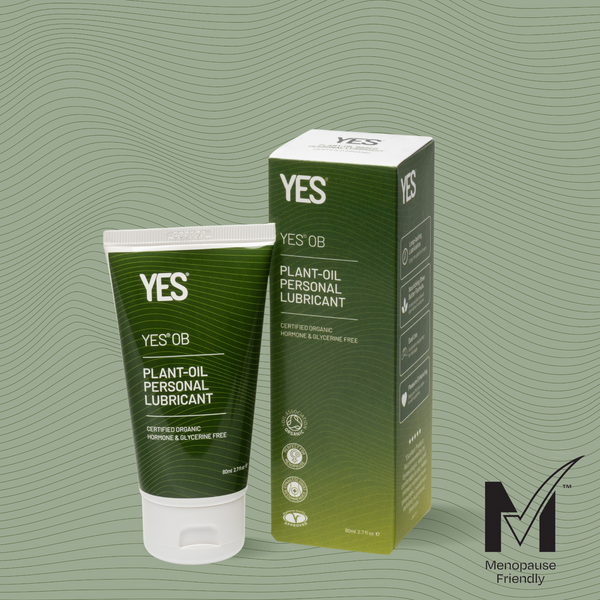
If you prefer a richer, longer-lasting lubricant, YES OB Plant-Oil Lubricant provides extended glide and nourishment using plant oils and shea butter. Many women find oil-based lubricants particularly helpful when dryness is more severe.
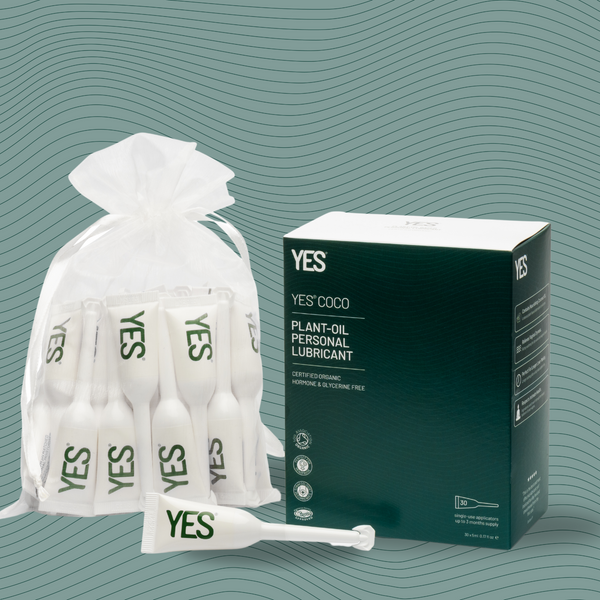
For those seeking a luxurious, deeply nourishing option, YES COCO combines organic coconut oil and jojoba oil to provide long-lasting comfort and a silky glide during intimacy.
The best lubricant is the one that feels right for your body, your comfort, and your preferences.
Pleasure isn’t defined by one type of intimacy.
Menopause can be an opportunity to explore different forms of touch, sensuality, and connection. Kissing, massage, cuddling, mutual touch, and non-penetrative intimacy can all help maintain closeness and enjoyment.
Removing pressure can often make pleasure easier to find.
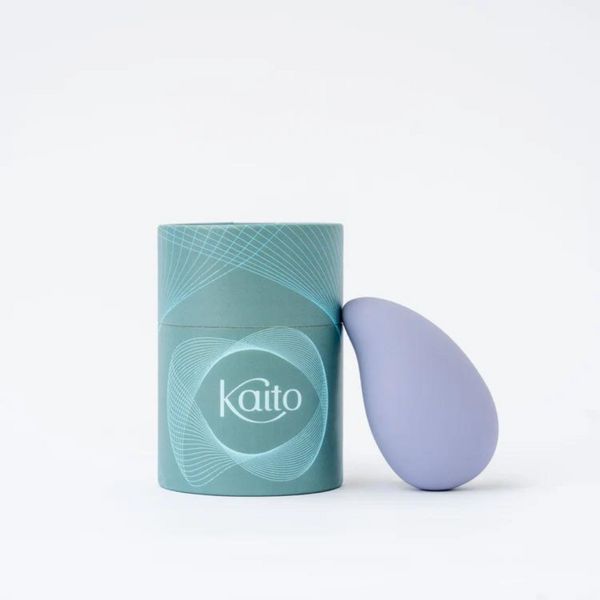
Self-pleasure can help you reconnect with your body and understand what feels good as your needs change.
Research suggests that sexual stimulation increases blood flow to vaginal tissues, which may support lubrication, tissue health, and comfort.
Exploring on your own can also help build confidence and make it easier to communicate your preferences with a partner.
Many women experience menopause-related changes in silence.
Open conversations about comfort, lubrication, changing desires, and expectations can help remove anxiety and create a more supportive and enjoyable intimate relationship.
Remember, intimacy is a shared experience, not a performance.
It’s easy to feel frustrated when your body changes.
But menopause is not something your body is doing wrong. It’s a natural life stage.
Instead of focusing on what has changed, try focusing on what your body continues to do for you every day. Building a more compassionate relationship with yourself can improve confidence, reduce anxiety, and help you feel more connected to pleasure.
Menopause may change how your body experiences intimacy, but it doesn’t mean pleasure has to disappear.
With the right support, open communication, and products designed to work with your body, many women discover new ways to experience comfort, confidence, and connection.
At YES, we believe women deserve science that understands their bodies and supports their wellbeing at every stage of life.
Because pleasure doesn’t have an age limit.
Read more about the changes your body goes through during peri menopause and post menopause.
 All Blogs
 All Blogs
 All Blogs


