

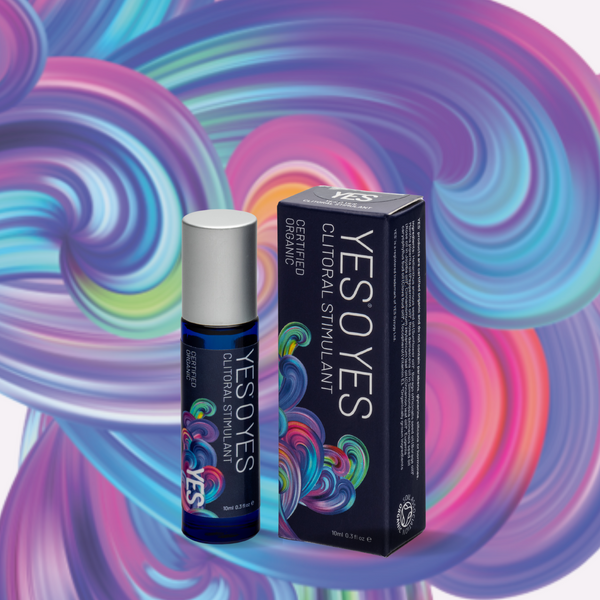


WB Water-Based Lubricant Tube

Select Tube Size:
FREE UK Shipping on orders over £40


Have a discount code? Add it in the next step.
4.8/5 based on 1,630 reviews
Midlife brings a range of physical changes that can feel unexpected, unsettling, and difficult to talk about. For many women, these changes emerge gradually during perimenopause and menopause and may include shifts in skin, sleep, mood, weight distribution, and intimate comfort.
Alongside physical symptoms, many women describe an emotional response that is rarely discussed openly: a sense of shame or embarrassment about their body.
This feeling is common, but it is not often named, acknowledged, or explained.
Shame is not a symptom of menopause itself, but it often develops in response to how women experience bodily change.
Hormonal fluctuations — particularly declining oestrogen — affect multiple tissues in the body, including skin, joints, the urinary tract, and vaginal tissue. These changes are biological and expected, yet many women feel unprepared for them.
When symptoms such as vaginal dryness, discomfort, or pain with intimacy appear, women may:
Feel their body is “failing” them
Worry that changes are a sign of ageing rather than a health transition
Avoid talking about symptoms due to embarrassment
Delay seeking support
Culturally, women are still taught — directly or indirectly — that midlife bodily changes are something to endure quietly. This silence can intensify feelings of isolation and self-blame.
One of the most frequent, yet least openly discussed, changes in midlife is vaginal dryness and sensitivity. At least 17% [1] of women will experience vaginal or vulval dryness, and the numbers soar to as many as 90% for postmenopausal women [2]. This occurs as oestrogen levels fall, leading to thinner, less elastic vaginal tissue and reduced natural lubrication. These changes are often referred to as genitourinary syndrome of menopause (GSM).
Symptoms may include:
Dryness or irritation
Burning or itching
Pain during sex
Recurrent urinary symptoms
Despite affecting a large proportion of women during and after menopause, many feel uncomfortable raising these concerns, even with healthcare professionals.
This reluctance is not due to lack of severity but to stigma.
When women feel ashamed of bodily changes, they may minimise symptoms or assume that nothing can be done. This can lead to prolonged discomfort and a reduced quality of life.
Importantly, many women are not seeking enhancement or change, they are simply trying to feel comfortable, confident, and like themselves again.
Understanding that these symptoms are common, physiological, and treatable can be an important step in reducing shame.
There are effective, hormone-free ways to support vaginal and intimate health during midlife. Regular use of pH-balanced vaginal moisturisers can help restore hydration and support tissue health over time, while gentle lubricants can reduce friction and discomfort during intimacy.
Choosing products that are:
Clinically supported
Free from irritants
Designed specifically for sensitive menopausal tissue
can make a meaningful difference to daily comfort and confidence.
For some women, these practical steps can also ease the emotional burden associated with symptoms, helping them feel more at ease in their body again.
Midlife is not a sign that the body is “breaking down.” It is a period of transition that affects every woman differently.
Feeling shame about bodily changes does not mean something is wrong — it reflects how little space women have historically been given to talk honestly about menopause and ageing.
By understanding what is happening biologically and knowing that support exists, many women find they can replace embarrassment with reassurance and self-trust.
Millions of women experience physical and emotional changes during perimenopause and menopause. These changes are normal, common, and deserving of care and attention.
Seeking information and support is not a sign of weakness; it is an act of self-care.
At YES, we believe women deserve evidence-based solutions, clear information, and language that treats their experiences with respect and understanding, at every stage of life.
[1] National Library of Medicine [2] National library of medicine
Read more about the changes your body goes through during peri menopause and post menopause.
 All Blogs
 All Blogs
 All Blogs


