Limited access to HRT on the NHS is encouraging women to seek out natural alternatives to their menopause symptoms and take a hormone-free approach to reduce the risks associated with HRT medication.
In recent years, there have been a lot more women speaking openly about their menopause journeys which has helped to reduce the taboo often associated with this natural cycle most women experience in their lifetime.
Channel 4 documentary
Most recently, Channel 4 produced a documentary called Sex, Mind and the Menopause, presented by Davina McCall. The programme revealed the results of a survey from over 4000 women between the ages of 45 and 55 and highlighted the oestrogen depletion on women’s mood and brain function during menopause.
‘Brain fog’ has long been associated with menopause but it is less well known that many women give up their jobs as a result, or that the highest rate of suicide amongst women is between the ages of 40 and 45, a period that often relates to perimenopause.
As many women progress through the many stages of menopause, it is important that we listen to our own unique bodies and learn about the signs and symptoms that signify changes. There are at least 48 known menopausal symptoms, any of which may be related to perimenopause and post-menopause.
The most common menopause symptoms are:
- hot flushes.
- night sweats.
- vaginal dryness and discomfort during sex.
- difficulty sleeping.
- low mood or anxiety.
- reduced sex drive (libido)
- problems with memory and concentration.
It is therefore vitally important to recognise when a combination of these symptoms indicate where you are in your menopausal journey, and which treatment may help alleviate those symptoms which affect your ability to function effectively and enjoy quality of life.
Vaginal Dryness
Vaginal dryness from the list above is a common symptom amongst menopausal women, however, it is not often discussed and many women are not aware of the many natural alternatives to relief this particular symptom.
Surveys by the BMS have revealed that more than 50% of menopausal women have experienced vaginal dryness which can cause painful sex, lead to low libido and have a huge impact on relationships during perimenopause and long-term.
This percentage may be much higher as it is known that many women suffer in silence, due to embarrassment or lack of education. For women taking HRT in the form of a patch or gel, these symptoms may be somewhat alleviated, but the first-line treatment for this bothersome symptom is a vaginal moisturiser for daily use, and lubricants for sex.
So, where to start when looking for hormone-free solutions?
Supermarkets
The supermarket and health-store shelves are full of a mind-boggling amount of supplements claiming to relieve a wide range of symptoms, but some simple lifestyle changes including a healthy diet and exercise have been proven to help with symptoms.
Online Resources
The NICE guideline for menopause is based on very thorough research so it’s a great place to start for both hormonal and non-hormonal choices.
Products to alleviate vaginal dryness
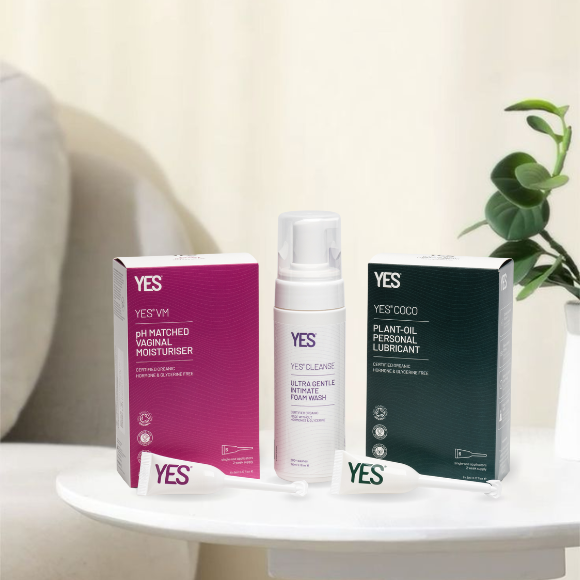
Vaginal moisturisers and lubricants for menopausal vaginal dryness, are currently available on prescription or over the counter (OTC). However, not all products are the same and it is always advisable to read the label and choose products that contain natural ingredients.
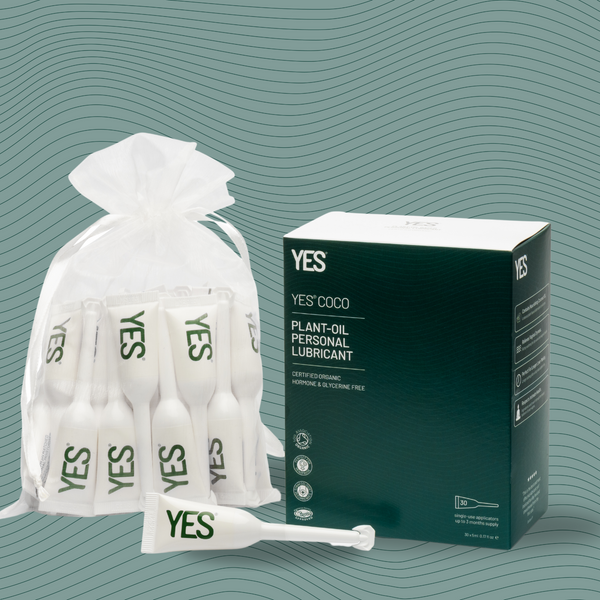
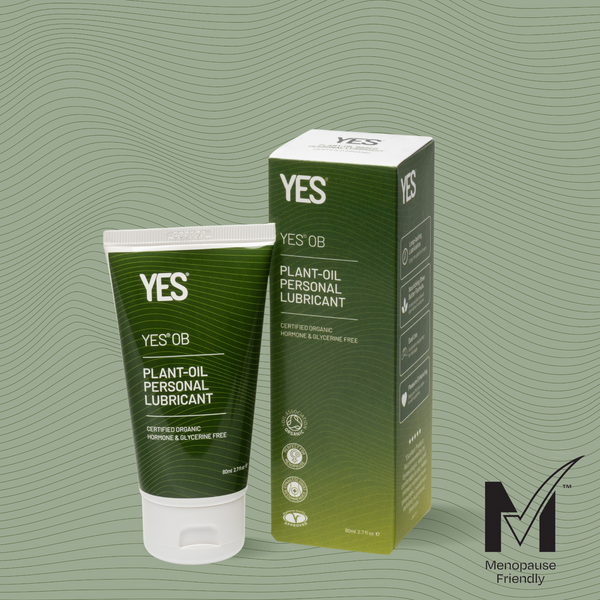
Water-based products should be pH matched to the vagina and oil-based lubricants (not condom compatible) should be formulated with natural plant-based oils rather than mineral oils which are derived from petrochemicals and are not suitable for vaginal use. You can find more information about water and oil-based lubricants here
If this non-hormonal approach to alleviating vaginal menopausal symptoms, is not sufficient then your doctor may recommend vaginal oestrogen in the form of pessaries, cream, or an oestrogen ring which is inserted into the vagina and is replaced after 90 days. Many women will use a combination of non-hormonal products and vaginal oestrogen as the latter is usually prescribed to be used twice weekly.
Health Books
Dr Marilyn Glenville PhD is the UK’s leading nutritionist specialising in women’s health and has written many books on natural solutions to women’s hormone conditions including ‘Natural Solutions to Menopause’ https://www.marilynglenville.com/books/natural-solutions-to-menopause-book/
A study carried out by Professor Myra Hunter of Kings College London, proved that CBT (Cognitive Behaviour Therapy) can help with anxiety, sleep, hot-flushes and sweats. She has written a book ‘Managing Hot Flushes and Night Sweats. A Cognitive Behavioural Self-help Guide to the Menopause’.
Summary
One thing is certain, there is no ‘one size fits all’ when it comes to menopause, therefore it is important to access the latest research to find the best natural alternatives to HRT that will work for you and your body’s symptoms which may be a combination of lifestyle changes and natural products.





 All Blogs


