
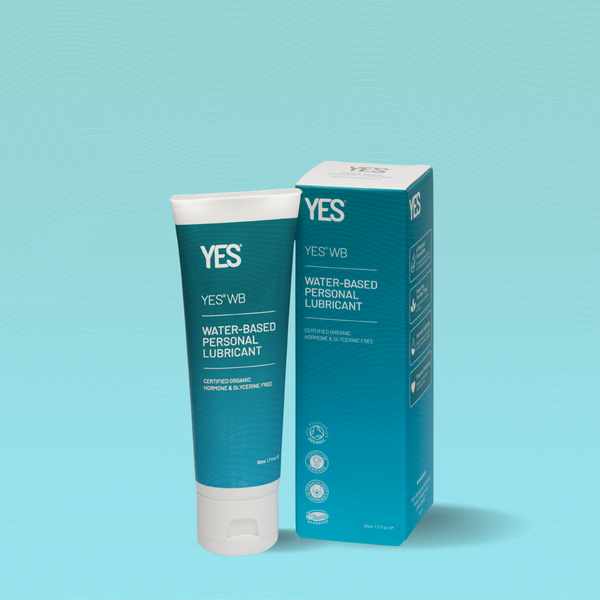
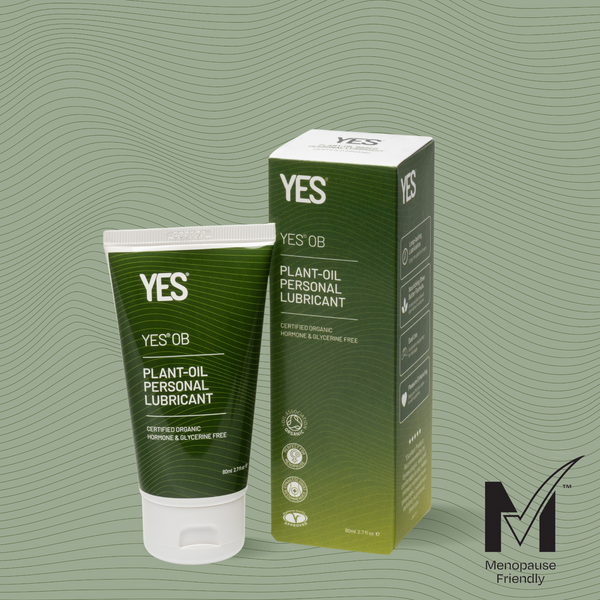

WB Water-Based Lubricant Tube

Select Tube Size:
FREE UK Shipping on orders over £40


Have a discount code? Add it in the next step.
4.8/5 based on 1,630 reviews
Talking about sex, pain or dryness can feel awkward—but you deserve answers that put you back in control of your body and your pleasure.
Painful sex is incredibly common in perimenopause, menopause and after birth, and it usually means your tissues are dry, fragile or inflamed—not that you are broken. A pH‑matched, hormone‑free vaginal moisturiser used regularly, plus a gentle water‑based lube during sex, can rehydrate tissues, reduce micro‑tears and make intimacy feel possible again.
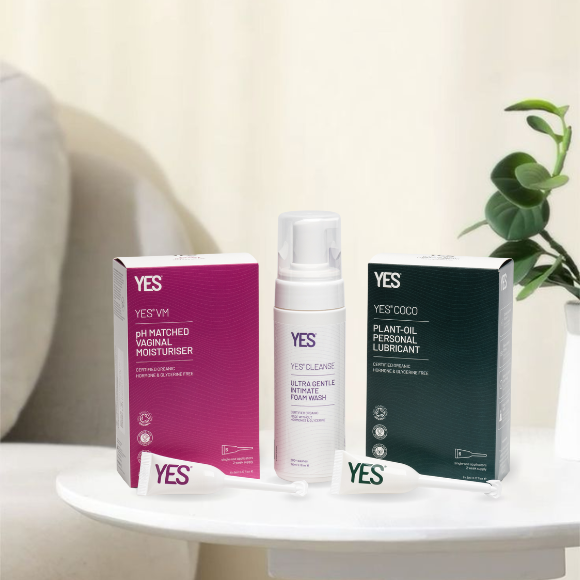
Burning with lube is a red flag for ingredients, not your body. Many high‑street products contain glycerine, fragrances and hyper‑osmotic formulas that pull water out of your tissues and can worsen dryness or disrupt your vaginal pH. Look for products that are iso‑osmotic (match your body’s natural hydration), pH‑matched, glycerine‑free and designed to be side‑effect free, like YES® water‑based and plant‑oil lubricants.
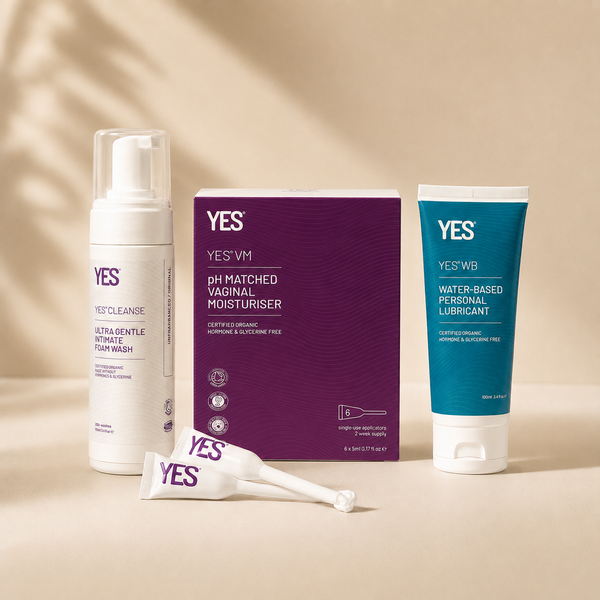
Think of a vaginal moisturiser as everyday skincare for your vagina, and lube as your in‑the‑moment support. A moisturiser works over time, releasing moisture into dry, sensitive tissues and keeping burning and itching at bay, while lube adds instant glide and comfort for sex or toy use. Together, they protect delicate tissues and help you enjoy intimacy instead of bracing for pain.
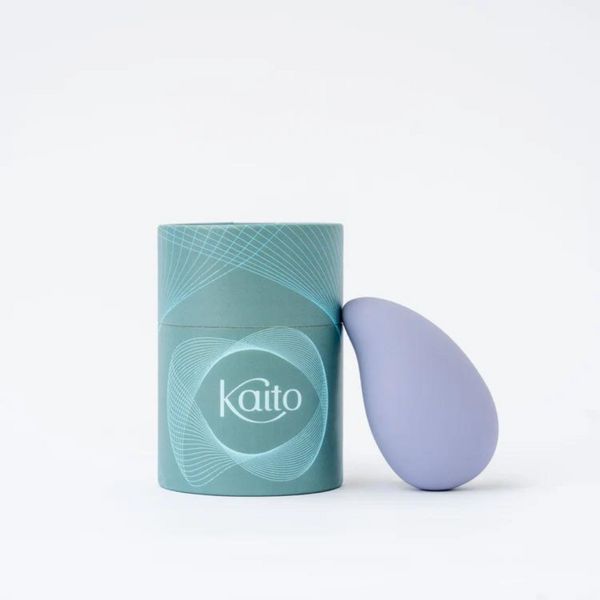
Many women worry about damaging toys, condoms or undoing their pelvic floor progress. Water‑based lubes that are free from silicone and mineral oils are safe with silicone toys, metal, glass and latex condoms, and they help reduce friction that can worsen pain or micro‑tears. Oil‑based lubes can give a longer‑lasting, nourishing glide and double as a massage oil, but they should not be used with latex condoms—keep them for condom‑free or external play.
Lubes and moisturisers cannot replace prescribed hormones, but they can be powerful partners to them. Many women use a gentle, organic, pH‑matched moisturiser alongside vaginal oestrogen to keep tissues comfortable between doses, reduce day‑to‑day irritation and feel more in control of their intimate health.
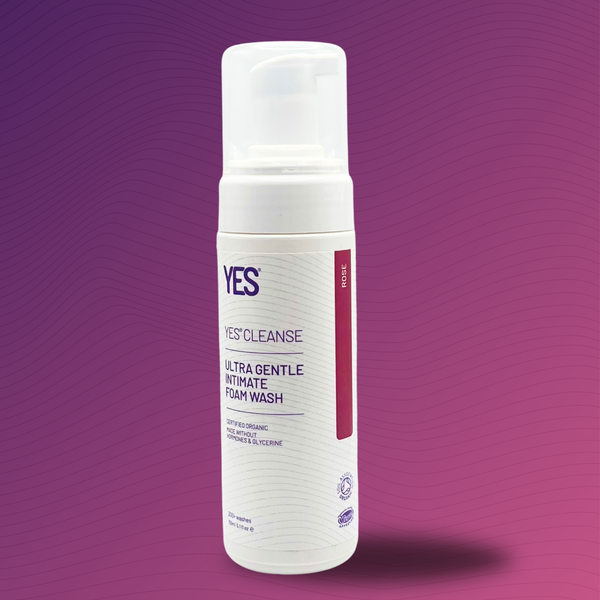
Genitourinary symptoms of menopause (like dryness, burning and recurring UTIs) tend to be long‑term, but that does not mean your comfort or pleasure are over. A simple, ongoing routine—a pH‑matched intimate wash, regular vaginal moisturiser and the right lube when you are intimate—helps keep vaginal tissues healthy and allows sex to stay pleasurable at every age.
Read more about the changes your body goes through during peri menopause and post menopause.
 All Blogs
 All Blogs
 All Blogs


