
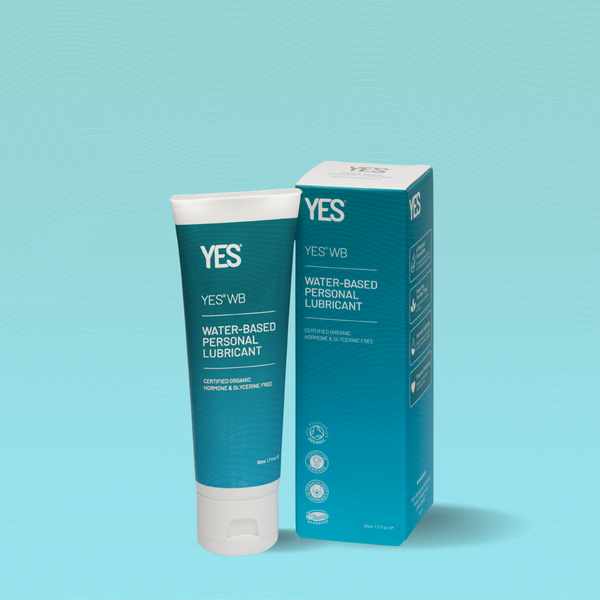
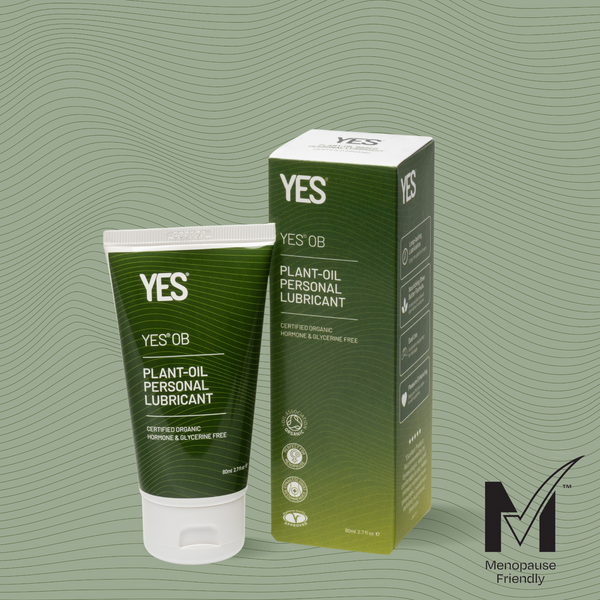

WB Water-Based Lubricant Tube

Select Tube Size:
FREE UK Shipping on orders over £40


Have a discount code? Add it in the next step.
4.8/5 based on 1,630 reviews
When oestrogen starts to drop, it can touch almost every part of your life – your sleep, mood, bladder, brain, skin and, yes, how your vagina and vulva feel day to day. Women in our community talk about feeling like a stranger in their own body long before anyone mentions the word “menopause”, which can be frightening when you don’t have a name for what’s changing.
This guide walks you through what low oestrogen can look like, why it’s happening, and how to manage the hormone drop with gentle, science‑backed support – including the YES products specifically designed to help you feel normal again down there.
Oestrogen is made mostly in the ovaries, and it’s involved in far more than cycles and fertility.
It helps to:
Keep vaginal and vulval tissue soft, stretchy and well‑lubricated, so sex feels like pleasure, not sandpaper.
Support your brain’s mood and sleep centres, influencing anxiety, irritability, brain fog and memory.
Maintain bone density, muscle strength and joint comfort.
Regulate body temperature, which is why hot flushes and night sweats arrive when levels shift.
Support bladder and urethral health, affecting urgency and recurring UTIs.
When oestrogen drops, it’s no surprise that life can feel “off” in several places at once.
There’s no single timeline, but common triggers include:
Perimenopause and menopause
In perimenopause, hormones swing up and down, so symptoms can come in waves – one week you’re fine, the next you’re rage‑crying over a tea towel.
After 12 months without a period (menopause), oestrogen settles at a lower baseline; many symptoms then become more consistent.
Postpartum and breastfeeding
After birth, and especially when breastfeeding, oestrogen can stay low for months, bringing dryness, lower libido and mood shifts that often get blamed solely on “new mum life”.
Surgical or medical menopause
Hysterectomy with ovary removal, chemotherapy, or hormone‑blocking treatments can cause a sudden hormone crash – a fast‑forward version of menopause that many women describe as brutal.
Chronic stress
Long‑term stress can nudge your body into survival mode, disrupting reproductive hormones and worsening low‑oestrogen symptoms like poor sleep and anxiety.
Whatever the cause, the impact is real and, most importantly… manageable.
Everyone’s experience is slightly different, but there are clear patterns that come up again and again in our community.
Dryness is often the first whisper of low oestrogen
You might notice:
Less natural lubrication, more friction with sex or even with daily movement.
Burning, itching or a feeling of rawness, especially by the end of the day.
Tightness or a sense that the vagina has become shorter or narrower.
This is about tissue health, not “trying harder”. Addressing moisture and atrophy early can transform daily comfort and intimacy.
When the tissue around the vaginal opening gets thinner and less cushioned, penetration can feel like stinging, tearing or a deep ache.
Women often:
Start avoiding sex, then feel guilty or “broken”.
Worry their relationship won’t survive if they speak up.
This is not a willpower issue; it’s a hormone issue with practical solutions.
Low oestrogen affects the urethra and bladder lining as well as the vagina.
Common complaints include:
Needing to wee more often or urgently.
Burning when you wee.
UTIs that keep coming back despite good hygiene.
Many women are surprised to learn that supporting vaginal tissue and pH can help protect bladder comfort too.
Insomnia and early‑morning waking come up constantly in hormone conversations.
Typical patterns:
Struggling to fall asleep even when exhausted.
Waking drenched in sweat, then shivering.
Feeling “tired and wired” all day, then somehow wide awake at night.
Poor sleep then worsens mood, focus and pain – a spiral many women find hard to break.
Emotional symptoms are some of the most distressing – and most dismissed.
Women describe:
Going from calm to furious in seconds over tiny things.
Feeling flat, tearful or disconnected from people they love.
Irritability, noise sensitivity or “misophonia” (certain sounds becoming unbearable).
You’re not “too sensitive”; your nervous system is reacting to a genuine hormonal shift.
Low oestrogen can affect memory and cognitive function.
Common experiences:
Losing words mid‑sentence.
Forgetting why you walked into a room.
Struggling to focus on tasks you used to breeze through.
This can be frightening, but in most cases it’s hormonal brain fog, not early dementia. Still, mention any concerns to your doctor for reassurance.
As oestrogen drops, many women report:
New or worsened joint stiffness, especially in the morning.
Changes in skin texture – drier, thinner, more sensitive.
Feeling like their body has aged dramatically in a short time.
These changes are valid and often under‑recognised as hormone‑linked.
You shouldn’t have to white‑knuckle your way through low oestrogen. A mix of medical options, lifestyle support and targeted intimate care can help you feel more like yourself again.
If symptoms are affecting your daily life, book in with a GP, gynaecologist or menopause‑specialist clinic.
Take a simple symptom list that covers:
Period changes, hot flushes, sleep, mood, brain fog.
Vaginal dryness, painful sex, bladder changes, UTIs.
Ask specifically about:
Local vaginal oestrogen for dryness and atrophy.
Systemic HRT if you have wider symptoms and it’s suitable for you.
Non‑hormonal options if HRT isn’t possible.
You’re allowed a second opinion if you don’t feel heard.
While you explore medical options, small changes can reduce the overall “load” on your body:
Keep a consistent sleep and wake time where possible.
Limit caffeine and alcohol, especially in the evening.
Build in daily movement – even a 10‑minute walk or gentle stretching.
Try simple wind‑down rituals: dim lights, a warm shower, reading instead of scrolling.
These won’t fix every symptom, but they give your brain and body a calmer baseline.
This is where gentle, well‑designed products can do a lot of heavy lifting day to day.
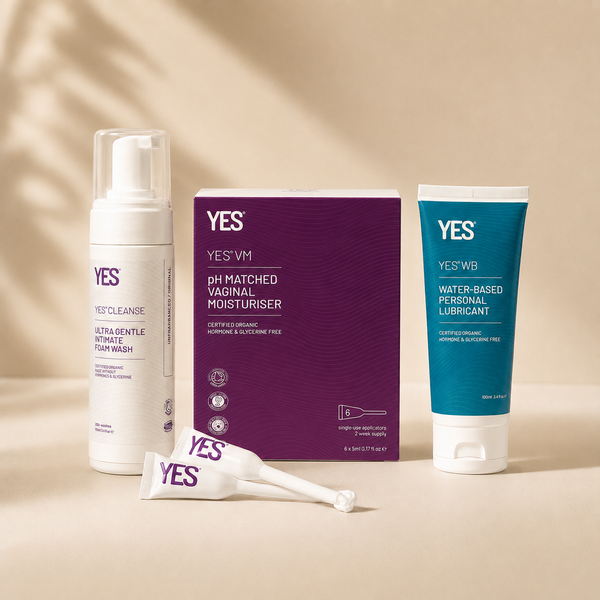
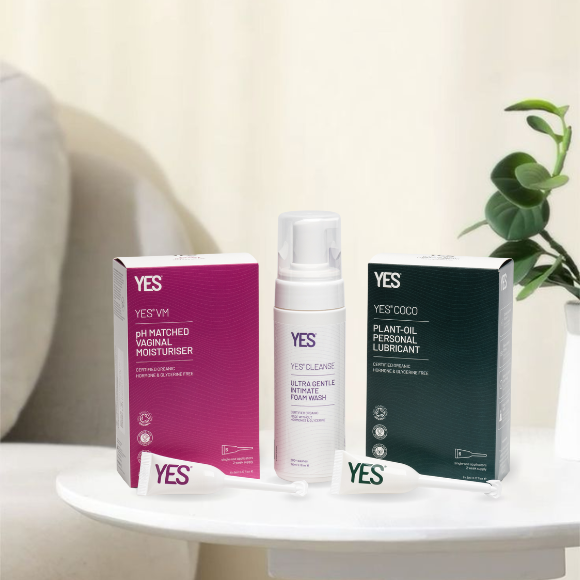
Rebuild moisture with YES VM
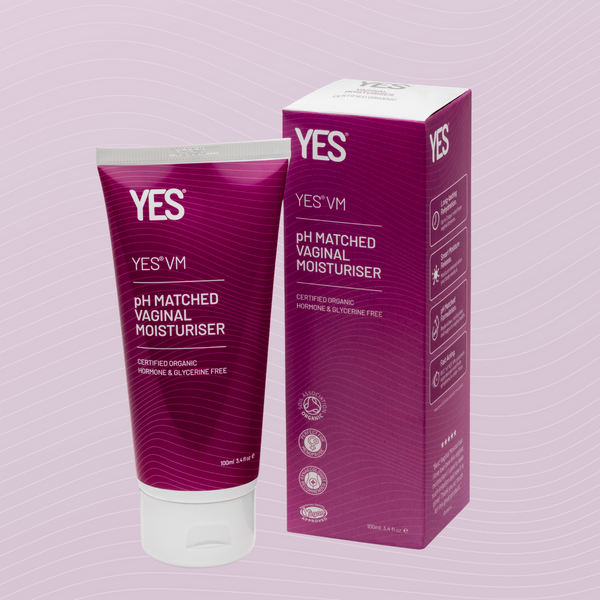
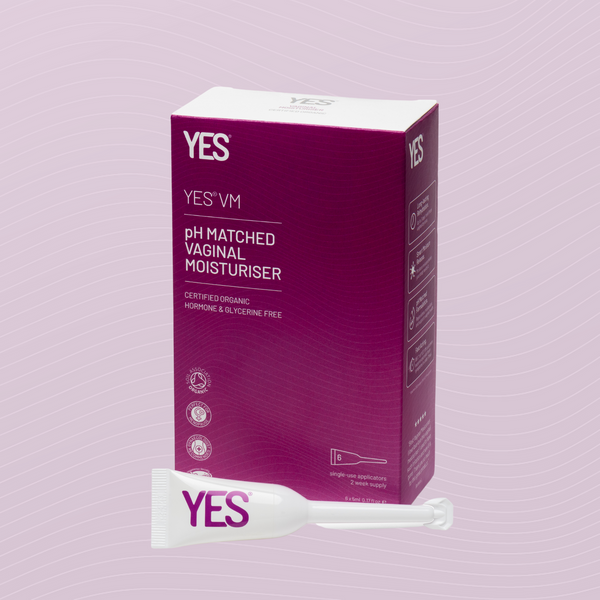
YES VM Vaginal Moisturiser is designed specifically for low‑oestrogen dryness and atrophy:
Smart moisture release for up to 3 days of hydration, so you’re not reapplying constantly.
pH‑matched and iso‑osmotic to your body’s natural fluids, so it won’t damage fragile tissue.
Hormone‑free, glycerine‑free, certified organic, and used by the NHS.
M‑Tick approved for menopause‑related vaginal dryness.
Applied regularly (for example every 2–3 days), it can make clothes, sitting and moving feel comfortable again.
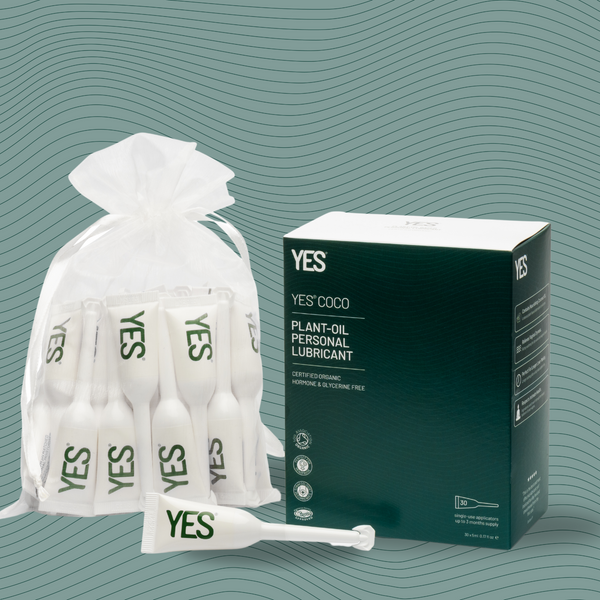
Make sex comfortable again with YES WB and YES OB/COCO
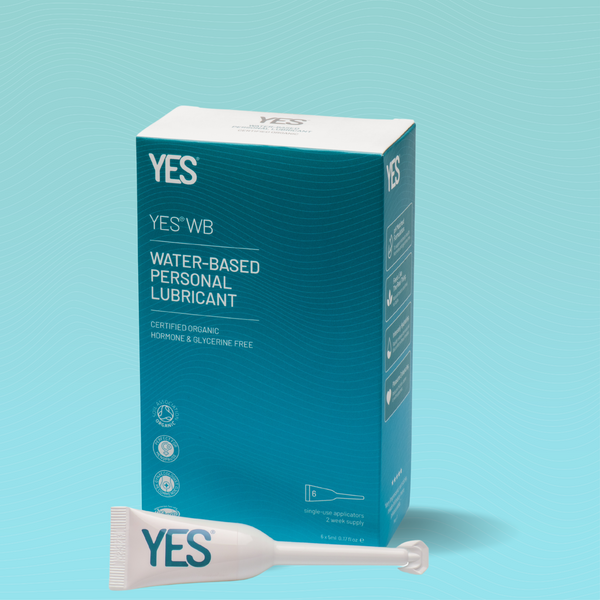
For intimacy, comfort is non‑negotiable. YES lubricants are formulated to work with sensitive, low‑oestrogen tissue:
Intense, natural‑feeling hydration that mimics your own moisture.
pH‑matched, glycerine‑free and iso‑osmotic to avoid stinging or tissue damage.
YES OB plant‑oil based and YES COCO coconut‑oil based
Long‑lasting glide for external comfort.
Rich in plant oils and butters to nourish dry vulval skin.
Many women like a “double glide”: YES WB internally plus YES OB or COCO externally for both deep comfort and vulval protection.
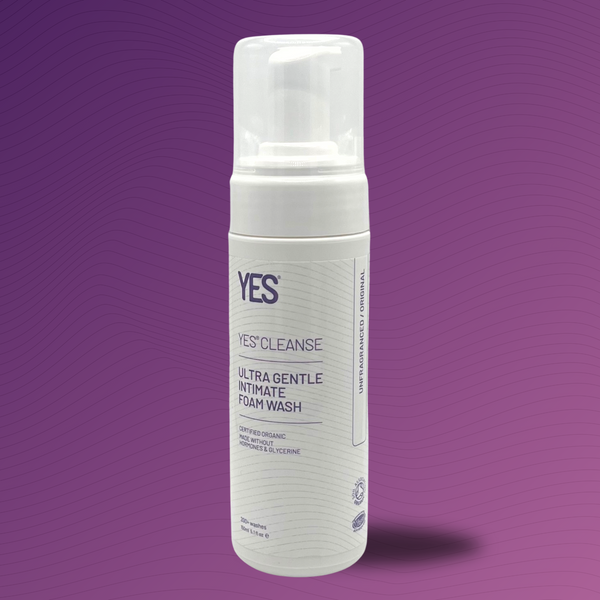
Keep the microbiome happy with YES Cleanse
Bladder and vaginal symptoms are often linked through pH and bacteria changes.
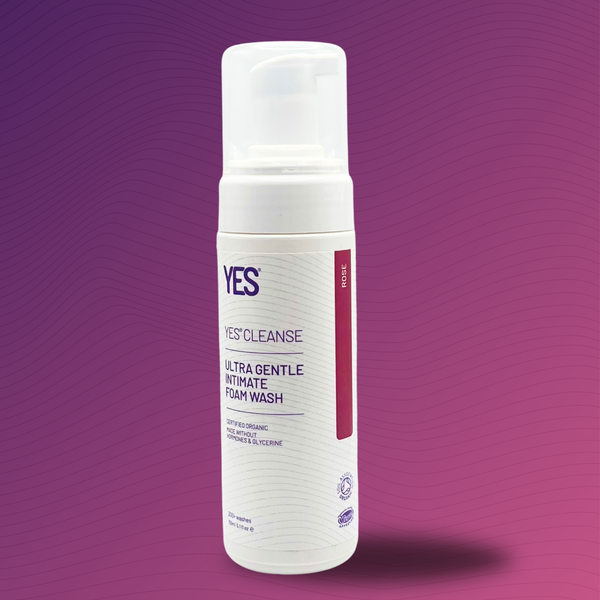
YES Cleanse is a vulva‑specific, gentle wash that removes sweat and odour‑causing bacteria without harsh surfactants or fragrance.
Used on the vulva (never inside the vagina), it supports comfort without disrupting your natural balance.
Low oestrogen doesn’t just change your body; it changes how you feel about yourself, your desire and your tolerance for other people’s nonsense.
Explain that this is a hormonal shift, not a loss of love or attraction.
Set a “comfort first” rule for sex – if it hurts, you stop.
Use moisturisers and lubricants consistently so your body is supported before you even get to the bedroom.
You’re allowed to want intimacy that feels easy, the kind you don’t have to plan a speech around.
If you want somewhere concrete to start:
Every 2–3 days: Apply YES VM Vaginal Moisturiser for long‑lasting hydration and relief from dryness and atrophy.
Daily in the shower: Gently wash the vulva (not the vagina) with YES Cleanse; pat dry and avoid fragranced gels or wipes.
Whenever you’re intimate: Use YES WB internally and YES OB or YES COCO externally for glide, comfort and protection.
When you’re choosing any intimate product, check the label and look for pH‑matched, glycerine‑free, paraben‑free, certified organic formulations that are doctor‑recommended (NHS used, CE & UKCA certified medical devices) and M‑Tick approved for menopause‑related dryness.
Low oestrogen may be part of your story – but with the right information, medical support and truly body‑kind products, it doesn’t have to dictate the rest of it. You deserve to feel like yourself again, in your skin, your vagina and your life.
Read more about the changes your body goes through during peri menopause and post menopause.
 All Blogs
 All Blogs
 All Blogs


