
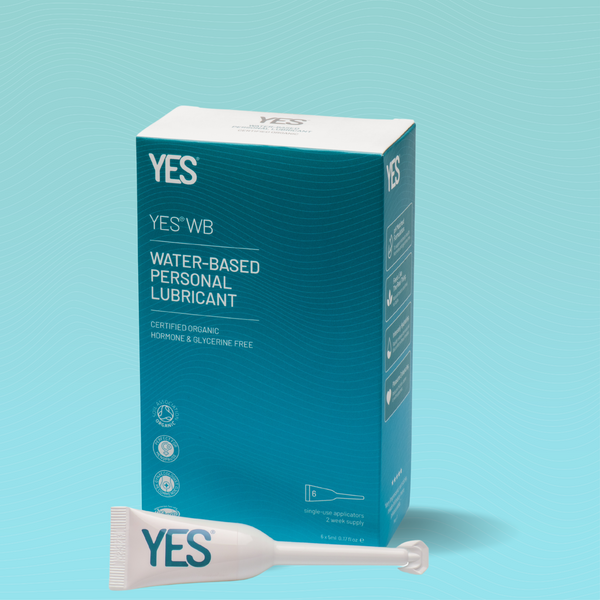
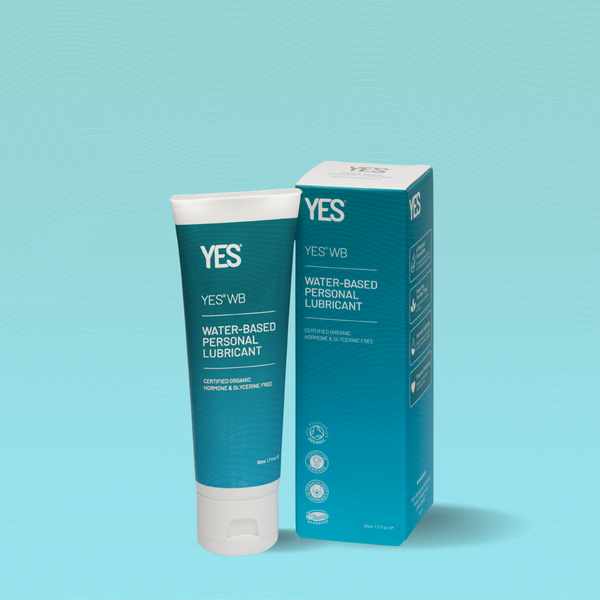

WB Water-Based Lubricant Tube

Select Tube Size:
FREE UK Shipping on orders over £40


Have a discount code? Add it in the next step.
4.8/5 based on 1,630 reviews
Shea butter has become a staple ingredient in skincare for good reason. Naturally rich in vitamins and skin-conditioning lipids, it has been used for generations to help nourish, soften and protect dry, delicate skin.
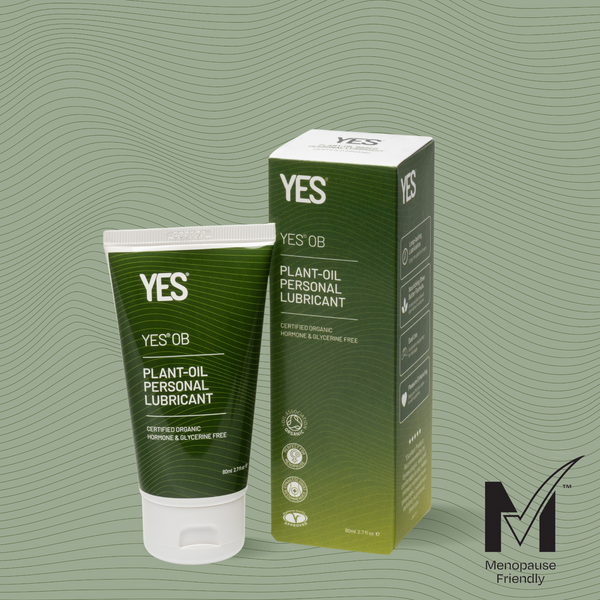
At YES, we use organic shea butter in YES OB because intimate tissue deserves the same level of thoughtful care as the rest of your body. Its rich, plant-based formula was designed to moisturise, soothe and protect vaginal and vulval tissue while providing long-lasting lubrication and comfort. The nourishing blend helps support the skin’s natural barrier, reducing friction and relieving dryness without harsh or unnecessary ingredients.
Shea butter comes from the nuts of the shea tree, native to parts of West Africa. Naturally rich in vitamins A, E and F, it contains fatty acids and plant compounds that help condition and support the skin barrier.
For centuries, shea butter has been used to soothe dry, irritated skin and protect against moisture loss. Today, it’s still widely loved for its deeply nourishing texture and its ability to leave skin feeling soft, comfortable and supported.
When intimate tissue feels dry, sensitive or irritated, the skin barrier can become more vulnerable to friction and discomfort. Shea butter helps by coating and conditioning the skin with rich emollients that lock in moisture and support softness.
It’s particularly useful in oil-based intimate products because it creates a longer-lasting glide while helping the skin feel calm and protected. Unlike many silicone-based products, plant oils and butters work with the skin rather than simply sitting on the surface.
In YES OB, organic shea butter is blended with other carefully selected plant oils to create a formula that feels soothing, cushioning and comfortable for intimate use. The hypoallergenic formula is designed to be gentle on sensitive tissue while helping to reduce friction during intimacy or everyday dryness.
If you’ve used YES OB before, you may occasionally notice a slightly grainy texture when the product comes out of the tube. This is completely normal and happens because shea butter is a natural ingredient.
Shea butter melts just above room temperature, so when it becomes warm and then cools too slowly, tiny crystals can form as the butter solidifies again. This doesn’t affect the quality, safety or effectiveness of the product in any way, it’s simply how natural plant butters behave when exposed to temperature changes.
Because of this, we recommend storing YES OB somewhere cool and dry, away from direct sunlight, radiators or warm bathrooms.
If the texture does become grainy, it’s easy to restore. Simply place the tube in hand-hot water until the contents have melted, shake thoroughly, then place it in the fridge for around an hour to cool quickly. This helps return the product to the smooth consistency you expect.
At YES, we’ve always believed intimate care should be both scientifically formulated and gentle on the body. Our products were created by women, backed by science, and designed specifically for intimate tissue, not adapted from general skincare.
That’s why ingredients matter so much to us. We choose plant-based ingredients like shea butter not because they are trendy, but because they perform well while helping support sensitive skin comfortably and effectively.
Read more about the changes your body goes through during peri menopause and post menopause.
 All Blogs
 All Blogs
 All Blogs


