









WB Water-Based Lubricant Tube

Select Tube Size:
Free YES WB 50ml when you spend £40+


Have a discount code? Add it in the next step.
4.8/5 based on 1,630 reviews
Vaginal discharge is perfectly normal and absolutely necessary for keeping our vaginas clean and moist (or ‘not dry’ for those of you who hate the ‘M’ word). The trouble is, there’s so much confusion surrounding vaginal discharge that all too many women worry about what’s normal and what could be cause for concern.
We get you. It can be pretty alarming when you head for the loo, glance in your pants, and spy a smattering of discharge staring back at you. That’s why it’s so important to know what ‘normal’ (or rather, healthy) looks like and what symptoms could indicate something worth seeing your GP about.
In this blog, we’ll explore the different types of vaginal discharge, clue you in on when to seek advice, and offer tips for managing discharge – whether you have too much or not enough. But before that, let’s address one of the most pressing questions for women up and down the country...
If this question has plagued you since puberty, you’re not alone! But the answer is surprisingly simple – and it’s all down to the natural acidity of vaginal discharge.
The vagina maintains a slightly acidic pH – typically between 3.8 and 4.5. This helps prevent infections by inhibiting the growth of harmful bacteria and yeast growth. The acidity can, however, lightly bleach fabric (in this case, your underwear). The good news? It’s completely normal and is actually an indication that your vaginal environment is maintaining its health.
So, if you’ve ever noticed lightened patches on your underwear, that’s why!

As women, we face our fair share of bodily challenges (and that’s putting it lightly!) From periods to perimenopause, our bodies and biology are constantly changing. And because we’re always in flux, our discharge is forever evolving, too.
Here’s what to expect during different phases of your menstrual cycle and as you move through menopause.
Menstruation (Days 1-5): During your period, expect your discharge to be mixed with blood. The consistency and amount can vary from light to heavy.
Follicular Phase (Days 6-14): After your period, you might notice clear, stretchy, egg white-like discharge, a sign of ovulation and fertility.
Luteal Phase (Days 15-28): Post-ovulation, discharge may become thicker and creamier due to increased progesterone levels.
Perimenopause: Hormonal fluctuations can lead to changes in discharge, often resulting in irregular patterns and varying textures and amounts.
Menopause and Post-Menopause: Reduced oestrogen levels can decrease natural lubrication, leading to less discharge and increased dryness.
But how do you know when something’s not quite right?
Even though experiencing vaginal discharge is completely normal, it can also signal an infection. It’s essential to learn what’s normal for you and to watch for noticeable changes in colour, texture, or odour. Here are some tell-tale signs that your discharge might need medical attention or intervention:
You must talk to your GP or healthcare provider if you notice any of these changes.
It's important to remember that the amount and type of vaginal discharge varies enormously between different people. Everything from hormonal changes and lifestyle to diet and overall health can influence how your discharge shows up.
In other words, what’s ‘normal’ for one person may be unusual for someone else, and that's perfectly okay.
If you experience a significant amount of discharge, you might want to consider these tips to improve comfort and hygiene:
Not having enough vaginal discharge can be uncomfortable; it can make you feel itchy and sore as the vaginal tissues don’t have lubrication to stop any friction.
This can affect both your vagina and your vulva. A lack of vaginal discharge can be caused by changes in hormones, like contraception, breast-feeding or perimenopause. But it can also be due to medical conditions, medications like antidepressants, or chemotherapy. If you’re experiencing vaginal dryness, especially during perimenopause or post-menopause, there is help available! Read our vaginal dryness guide for a more detailed deep dive.
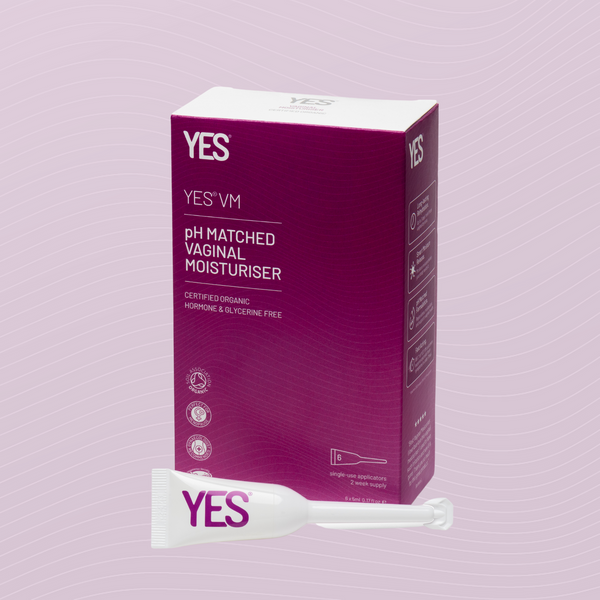
YES® VM is our award-winning vaginal moisturiser, designed to ease vaginal dryness, itching, and irritation in under an hour. The smart moisture release system means moisture is released slowly at the rate your body needs it – keeping your vagina hydrated for up to three days. And because it’s made from all-natural ingredients and pH-matched to your vagina, it’s safe for regular use.

Understanding your own ‘normal’ when it comes to vaginal discharge is critical to maintaining your intimate health. It doesn’t matter if your discharge is different, more, or less than other people’s – what matters is that you keep an eye out for changes or signs of infection.
And remember, no matter what you (and your vagina) are going through, we're here to support you with natural and organic solutions tailored to your needs.
Read more about the changes your body goes through during peri menopause and post menopause.
 All Blogs
 All Blogs
 All Blogs


